
Pain Relief With Kratom: What To Know
As we explore natural alternatives for pain management, one substance stands out: Kratom. This botanical, derived from the leaves of the Mitragyna speciosa tree—a psychoactive plant native to Southeast Asia—has gained attention for its potential in alleviating discomfort. For those looking to access it conveniently, Kratom Online offers a way to obtain this supplement safely and legally. Before diving in, it’s essential to understand how Kratom works, its potential benefits, associated risks, and the legal considerations surrounding its use. Join us as we unpack everything you need to know about using Kratom for pain relief.
Understanding Kratom and Its Properties
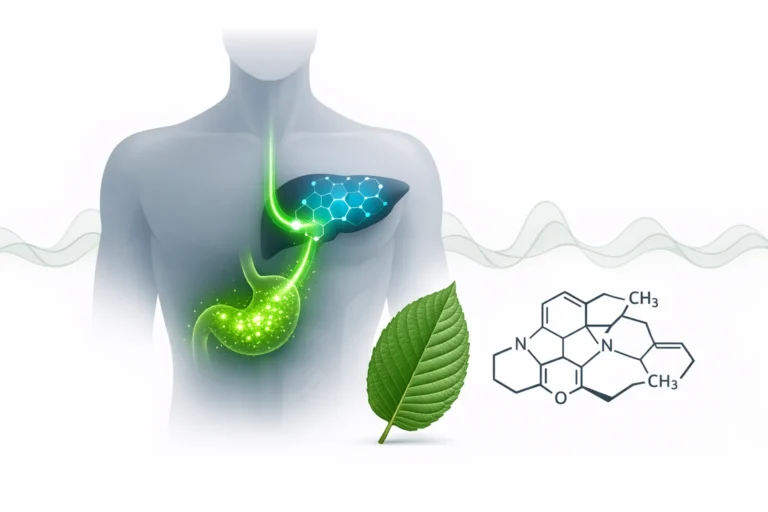
Kratom (Mitragyna speciosa) is gaining recognition not just as a herbal supplement, but as a potential ally in pain management. Sometimes marketed or used as a dietary supplement, kratom Mitragyna speciosa contains a rich array of alkaloids in its leaves, primarily mitragynine and 7-hydroxymitragynine (7-OH). These compounds interact with various receptors in the body, particularly the opioid receptor system in the brain, influencing pain perception and offering a unique duality in effects. At lower doses, kratom tends to act as a stimulant, providing energy and enhanced focus. Conversely, as the dosage increases, it transitions into an opioid-like sedative, helping to mitigate pain and promote relaxation. This dual nature, along with kratom’s analgesic effects, makes kratom especially intriguing for those seeking pain relief without the high of traditional opioids.
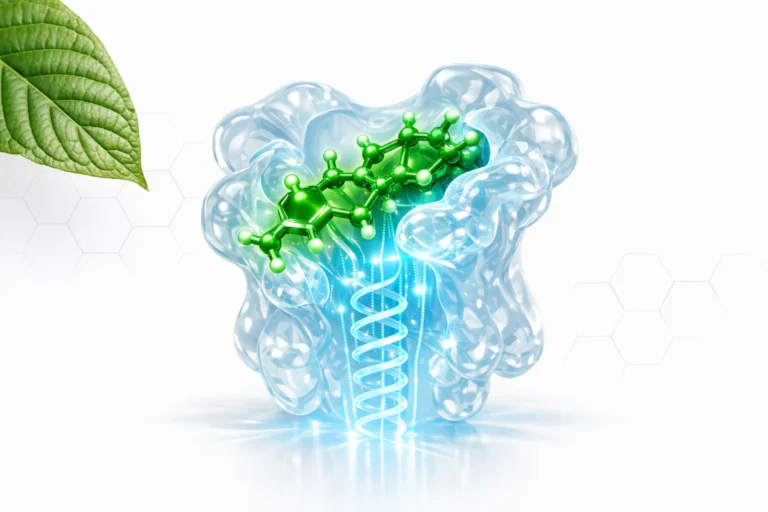
The key to kratom’s effectiveness lies in its ability to connect with mu-opioid receptors in the brain. By altering the way the brain processes pain signals, kratom can potentially offer a more manageable way to cope with chronic pain conditions. It’s worth noting, but, that clinical research is still in its early stages, and individual experiences may vary.
Types of Kratom Strains for Chronic Pain Relief
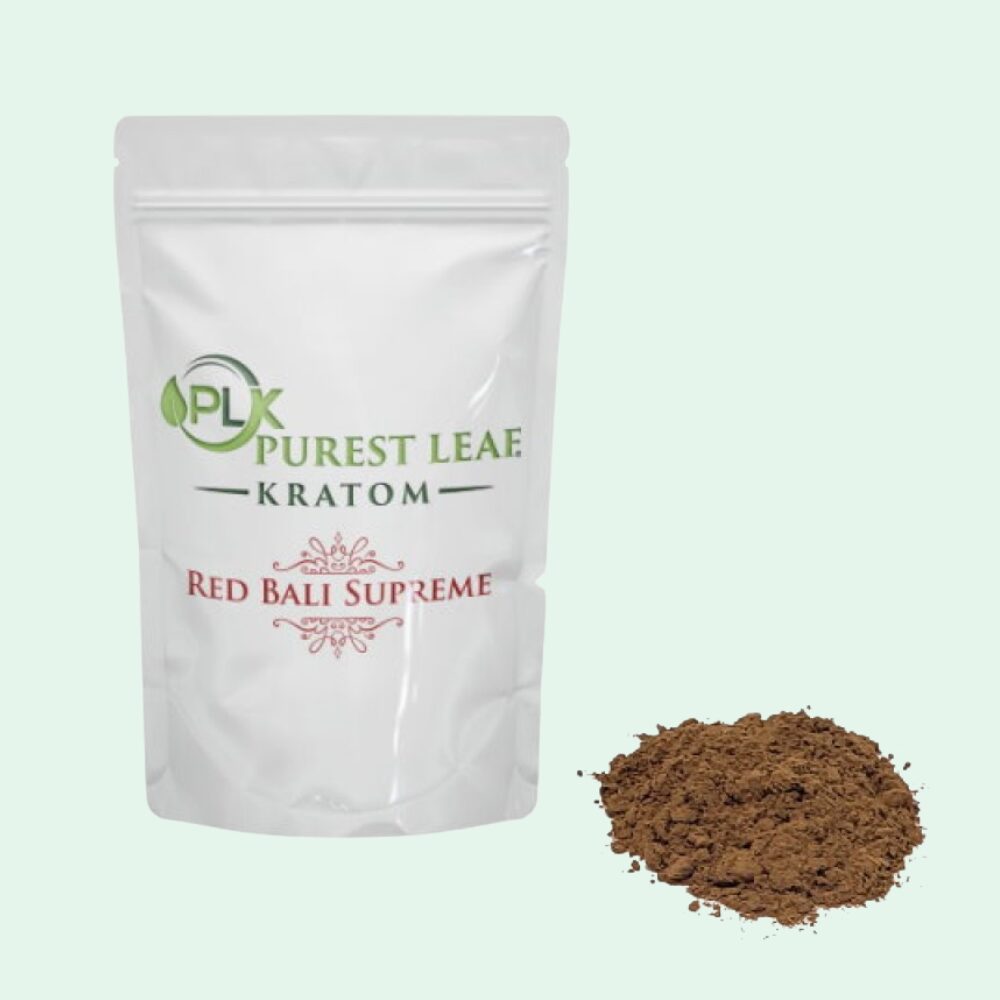
When it comes to selecting a Kratom strain, it’s important to understand that not all strains are created equal. Kratom strains originate from kratom leaves, which are categorized based on the color of the vein on the leaves: red, green, and white. Each strain offers different effects, which can influence its suitability for pain relief.
- Red Vein Kratom: This strain is the most commonly recommended for alleviating pain and achieving sedation. Users frequently report that red vein strains help ease chronic pain, providing a soothing effect that can last for hours. Regular kratom use of red vein strains is often associated with ongoing pain management, but may also carry risks of dependence.
- Green and White Vein Kratom: These strains are marketed primarily for their stimulating properties; however, some users find them beneficial for mild discomfort as well. Evidence supporting the specific effectiveness of these strains for pain is mostly anecdotal.
Choosing the right strain depends on individual needs. Many individuals prefer to experiment with different strains or consult experts within our community to better understand what might be the best fit for their specific circumstances. Patterns of kratom consumption, such as frequency and dosage, can also influence which strain is most effective for pain relief.
Mechanism of Action: How Kratom Alleviates Pain
The pain-relieving properties of Kratom can be largely attributed to the way its alkaloids interact with the body’s biological systems. Specifically, both mitragynine and 7-OH serve as partial agonists at the mu-opioid receptors, a class of receptors involved in pain regulation and empathy. These interactions contribute to the physiological and behavioural effects of kratom, which are important for understanding its use, potential for abuse, and overall impact on health.
Interestingly, unlike many traditional opioids, which can lead to severe respiratory depression, mitragynine has shown promise for providing pain relief with potentially lower risks of such adverse effects. Also, Kratom also activates alpha-2 adrenoceptors, enhancing its analgesic qualities while potentially reducing the impression of pain and supporting pain reduction as a key benefit for many users.
Also, research indicates that Kratom may inhibit enzymes such as COX-2, which play a role in inflammatory processes. By targeting inflammation, Kratom could not only relieve pain directly, but also address the underlying causes of discomfort. However, subjective kratom effects can vary widely between individuals, and some users report stronger subjective kratom effects that correlate with greater pain relief, especially among those managing chronic pain.
Potential Benefits of Using Kratom for Pain Management
Many individuals in our community have shared their experiences with Kratom, highlighting its efficacy in managing pain. Surveys frequently report that over 90% of users find Kratom very effective for tackling ailments ranging from chronic pain to temporary discomfort, with many reporting substantial pain relief and experiencing substantial pain relief as part of their pain self management efforts.
Pain relief is a frequently endorsed primary motivation for kratom use, and it is often incorporated into a broader pain management strategy, especially among those with limited access to conventional treatments. Data and user anecdotes indicate that chronic pain status influences kratom use patterns and outcomes, with individuals whose chronic pain showed improvement after kratom use.
A fascinating aspect of Kratom is its influence on acute pain tolerance. In randomized, placebo-controlled trials, users of Kratom exhibited an increased tolerance to pain during tests designed to measure this attribute. Additionally, kratom has been reported to reduce pain interference, helping users perform daily activities with less disruption from chronic pain. Besides, there are anecdotal reports of individuals using Kratom to help manage opioid withdrawal symptoms, offering a new possibility for those seeking alternatives.
While more extensive research is needed, the testimonials from countless users underscore Kratom’s potential as a natural pain management alternative, particularly for pain self-management and reducing the burden of pain interference in daily life.
Risks and Side Effects of Kratom Use
As with any substance, understanding the risks associated with Kratom is crucial. While many users report effective pain relief, there are risks and side effects to consider, including concerns related to drug alcohol abuse and drug alcohol depend. Some of the more commonly reported side effects include:
- Nausea
- Constipation
- Sweating
- Drowsiness
- Increased heart rate
Long-term use can also lead to dependence, withdrawal, and craving, similar to traditional opioids and opiate withdrawal. Research published in stud alcohol drugs and j drug alcohol abuse highlights kratom’s potential for misuse, addiction, and its role in substance abuse. It’s crucial to acknowledge that misuse and prolonged consumption can exacerbate these side effects.
If you are considering taking kratom, it is important to consult a healthcare professional first, as there are potential risks, side effects, and interactions to consider.
Also, the quality of Kratom products varies significantly across the market. Contamination with heavy metals or adulterants is a documented issue, raising concerns about safety. Hence, sourcing Kratom from reputable suppliers like us ensures access to quality products free from harmful contaminants.
Legal Status and Important Considerations
In the United States, the legal status of Kratom is a complex and evolving issue. The Food and Drug Administration (FDA) has not approved Kratom products as food, dietary ingredients, or drugs, and has issued notices about its safety. While Kratom is not federally scheduled as an illegal substance, several states and municipalities have either banned or enacted regulations on its sale and use. Additionally, legal cases involving kratom continue to shape its regulatory landscape, influencing consumer access and public perceptions of safety.
For those considering Kratom as a pain management option, it’s critical to stay informed about local laws and consult with healthcare professionals about its potential for substance use disorder. Many individuals turn to kratom due to challenges in obtaining adequate pain treatment, highlighting a gap in standard pain management options. This unmet need for adequate pain treatment often motivates people to seek alternative remedies like kratom.
Our commitment to transparency means we advocate for cautious, informed use. We emphasize the importance of integrating informed clinical practices and call for comprehensive research that examines both the benefits and risks of kratom. Future studies should employ diverse and robust methodologies to fully understand kratom’s effects, mechanisms, and safety profile, ultimately guiding evidence-based protocols for safe and effective use.
Summarizing, while Kratom demonstrates promising analgesic properties and anecdotal evidence underscores its effectiveness for various pain-related issues, it is important to approach its use with caution. Significant risks, including dependence and the lack of regulation, merit thorough consideration. As advocates for responsible use, we encourage anyone interested in exploring Kratom for pain relief to do so with adequate knowledge and possibly under medical supervision. Always seek out high-quality Kratom products to ensure safety and efficacy.
Frequently Asked Questions about Kratom for Pain Relief
What is Kratom and how does it help with pain relief?
Kratom is a botanical derived from the Mitragyna speciosa tree. It contains alkaloids like mitragynine and 7-OH that interact with mu-opioid receptors in the brain, potentially alleviating pain and altering pain perception.
What are the different types of Kratom strains for pain management?
Kratom strains are categorized by leaf vein color: red, green, and white. Red vein strains are generally recommended for pain relief, while green and white strains may offer mild discomfort alleviation and stimulation.
Can Kratom lead to dependence or side effects?
Yes, Kratom use can lead to dependence similar to opioids. Common side effects include nausea, constipation, and increased heart rate. It’s important to use it cautiously and consult with healthcare professionals.
How does Kratom compare to traditional opioids for pain relief?
Unlike traditional opioids, Kratom may offer pain relief with lower risks of respiratory depression. It interacts with the same receptors but has a distinct profile that could be safer for some users.
Is Kratom legal to use for pain management in the United States?
Kratom’s legal status is complex; it is not federally scheduled but is banned or regulated in several states. It’s crucial to check local laws before considering its use for pain relief.
What precautions should I take when using Kratom?
Always source Kratom from reputable suppliers to avoid contamination. Consult with a healthcare provider to discuss risks and the potential for substance use disorders before using Kratom for pain management.