
Kratom vs CBD: Which Is Better for Pain, Anxiety, and Mood?
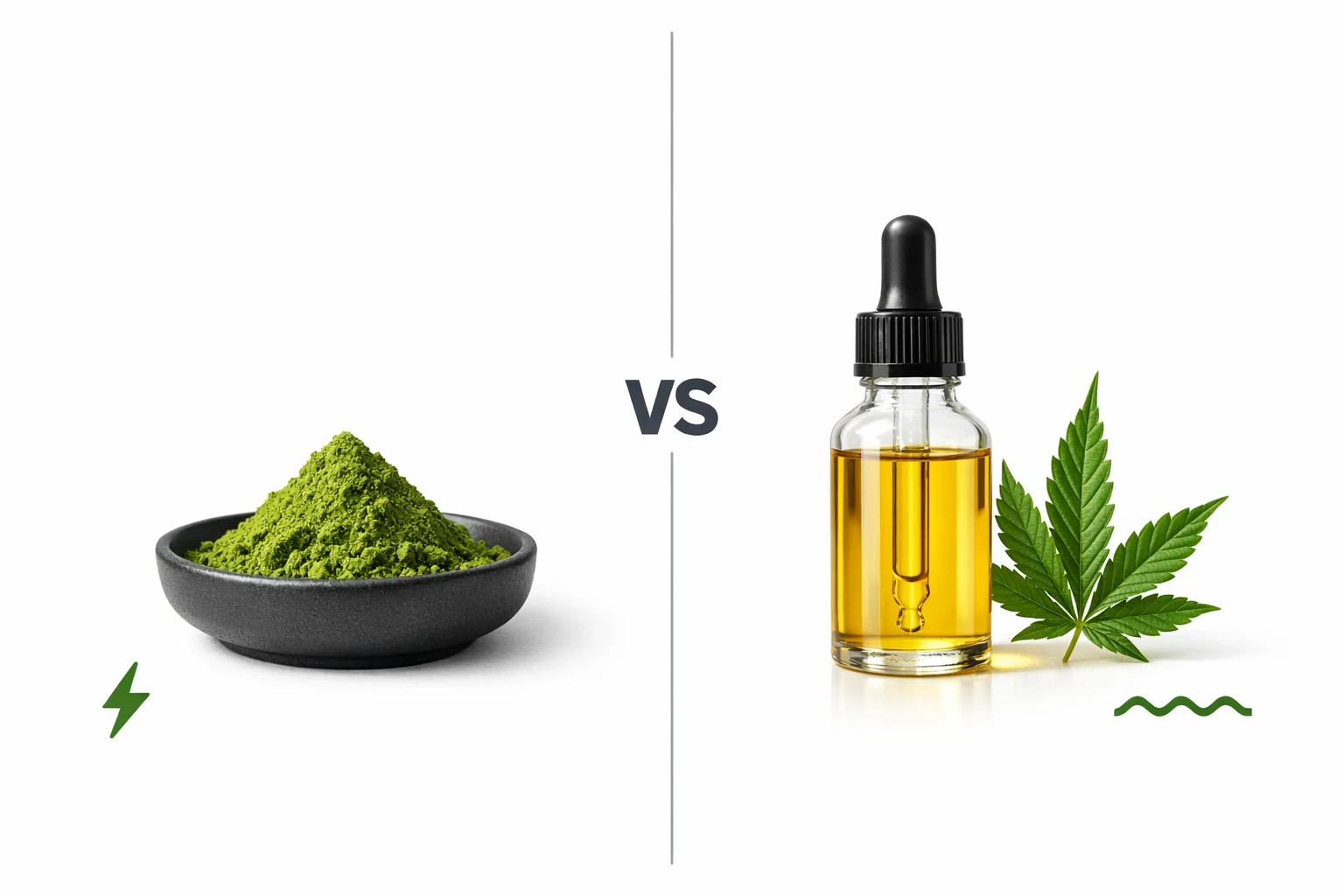
If you are researching natural alternatives for pain, anxiety, or mood regulation in 2026, you have likely hit a wall of conflicting information. On one side, conservative medical publishers focus heavily on warnings and risks. On the other, wellness brands and impassioned Reddit communities paint a picture of consequence-free, “miracle” relief.
When you are actively evaluating solutions for your daily wellness routine, this polarization isn’t just frustrating—it’s paralyzing. You don’t need bias; you need an objective framework to decide between a high-potency, higher-risk option (Kratom) and a low-potency, high-safety option (CBD).
This guide serves as your safety-first decision engine. By unpacking the latest clinical data, dose-to-effect mechanisms, and real-world outcomes, we will help you confidently choose the right botanical tool for your specific health goals.
How to Choose Between Kratom and CBD
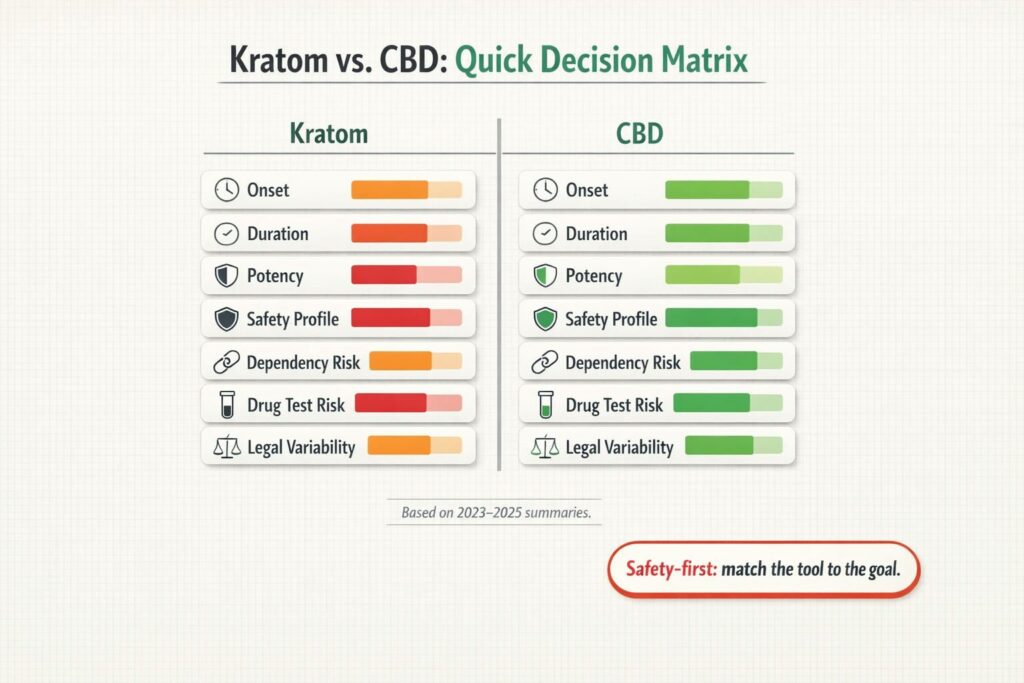
Before comparing specific benefits, it’s helpful to identify your primary objective. People researching kratom vs CBD are often trying to solve very different problems. Some are looking for temporary support during periods of physical discomfort, while others are interested in long-term wellness, mood support, or daily stress management.
In general, kratom is often discussed when individuals want more noticeable short-term effects, whereas CBD is commonly associated with gradual, ongoing wellness support. This difference doesn’t necessarily make one superior to the other—it simply reflects their different pharmacological characteristics.
Another important consideration is your personal comfort with risk. Kratom contains active alkaloids that interact directly with specific receptors, producing more pronounced effects that also require careful attention to dosage and frequency of use. CBD, by comparison, is generally used for its broader regulatory effects on the endocannabinoid system and is often selected by people seeking a more subtle experience.
Rather than asking which botanical is universally better, a more useful question is: “Which option best matches my current wellness goals?” This framework will guide the comparisons throughout the rest of this article.
The Chemical DNA: How They Actually Work in Your Body
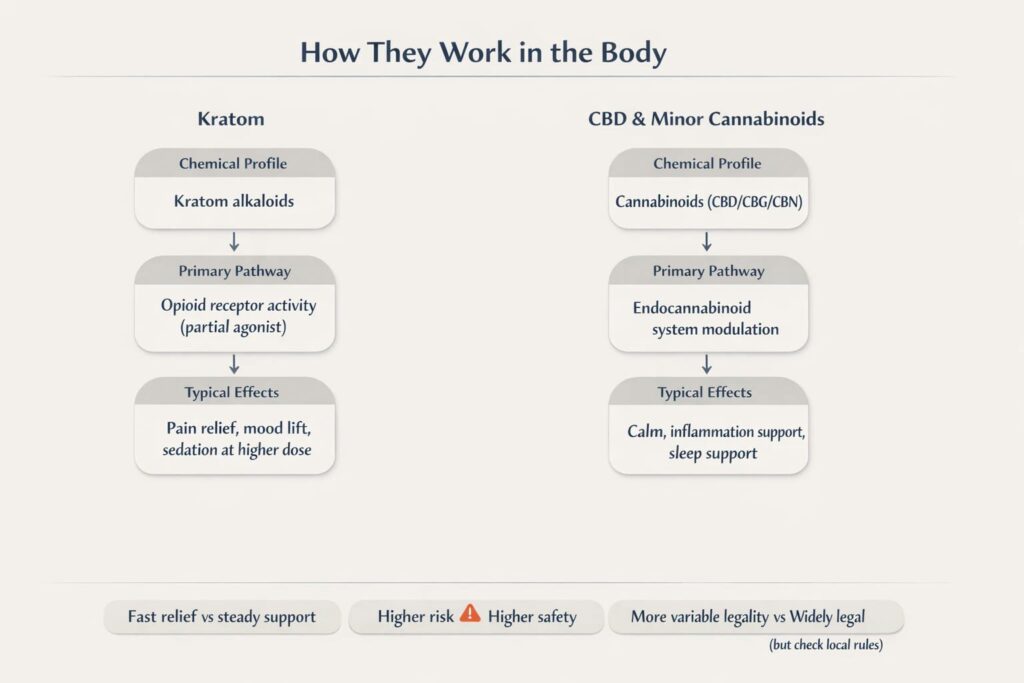
To understand why Kratom and CBD produce such wildly different effects, we have to look at their chemical architecture. They operate on entirely different bodily systems.
Kratom: The Alkaloid Powerhouse
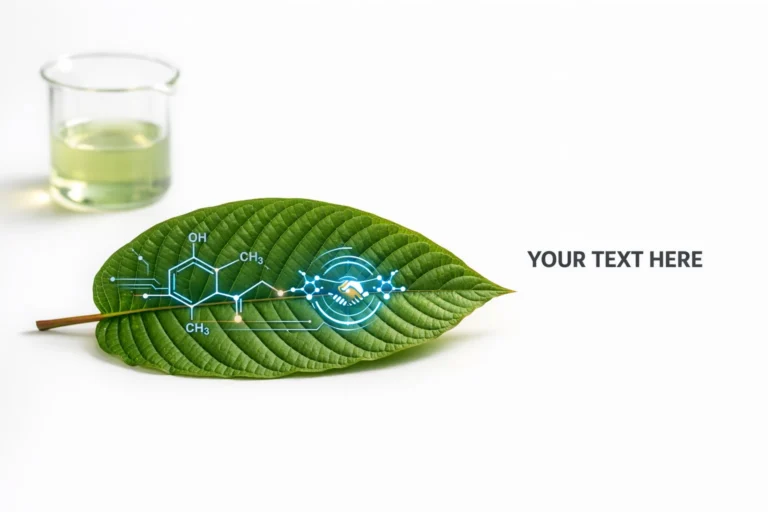
Kratom (Mitragynine speciosa) relies on active alkaloids, primarily mitragynine and 7-hydroxymitragynine. Unlike cannabinoids, these alkaloids interact directly with the body’s opioid receptors as partial agonists. According to 2024 medical reviews from addiction recovery specialists like Ophelia Health, mitragynine’s potency in managing acute discomfort is highly effective, often compared anecdotally and clinically to mild pharmaceutical alternatives like codeine. Because it targets these specific receptors, Kratom delivers rapid, highly noticeable relief.
CBD: The Endocannabinoid Modulator
Cannabidiol (CBD) and its minor cannabinoid counterparts (like CBG and CBN) take a more systemic, gradual approach. They interact with the Endocannabinoid System (ECS), which regulates homeostasis—essentially keeping your body balanced. Rather than forcing a massive change in receptor activity, CBD acts as a modulator. It gently signals your nervous system to dial down inflammation and stress responses.
The Dose-to-Effect Reality: Navigating the Pain Spectrum
When comparing these two supplements for pain management, the decision comes down to Acute/Neuropathic Pain versus Chronic/Inflammatory Pain.
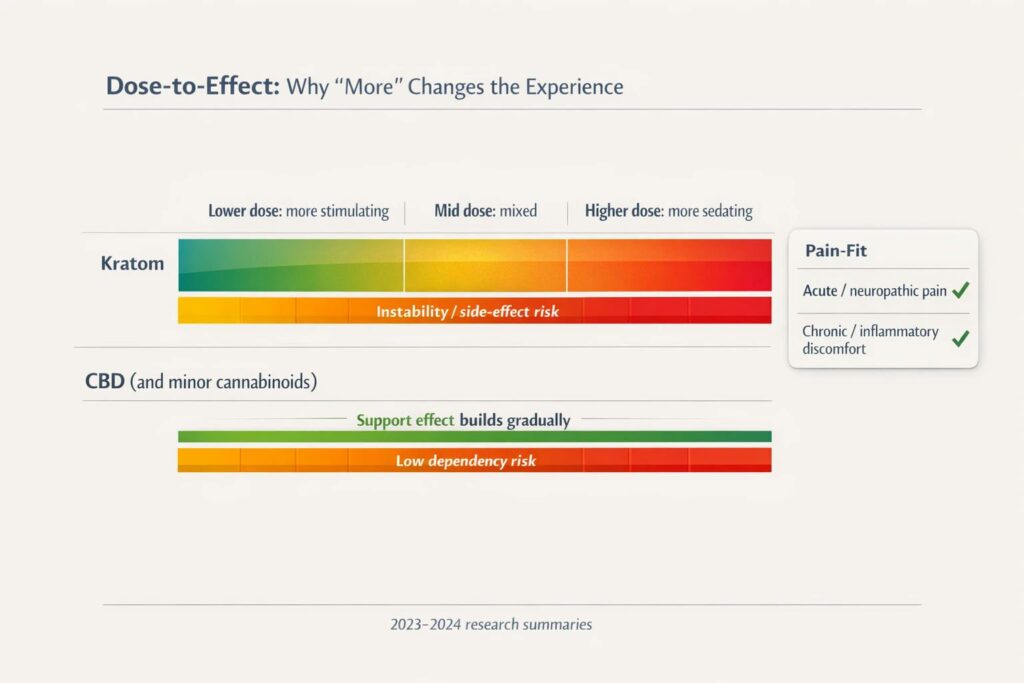
If you are dealing with severe, acute flare-ups or neuropathic pain, Kratom’s potency is unmatched in the botanical world. However, Kratom is notoriously dose-dependent. Lower doses (around 2 to 5 grams) generally produce a stimulating, mood-boosting effect, making it popular for daytime focus. If you push into higher doses (closer to 10-15 grams), the alkaloid profile shifts dramatically to produce heavy, sedative effects. Navigating this shift is why finding the right kratom dosage for beginners is absolutely critical for avoiding adverse reactions like nausea or dizziness (often referred to in the community as “the wobbles”).
CBD, conversely, is the undisputed champion of chronic, inflammatory pain. It has a remarkably wide safety margin and zero dependency risk. You can take a high dose of CBD daily for months to manage arthritis or joint inflammation without worrying about building a chemical tolerance or experiencing severe withdrawals.
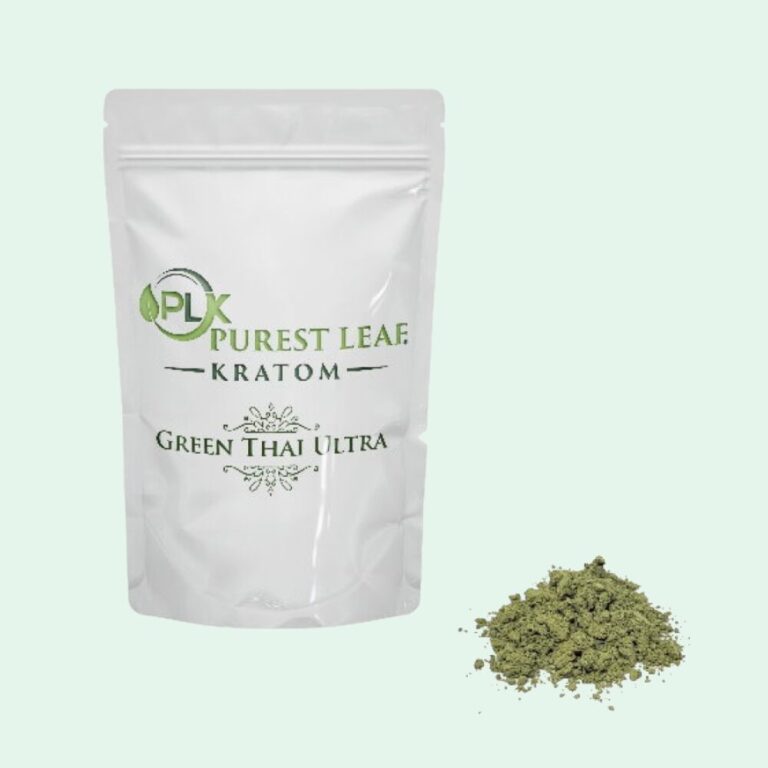
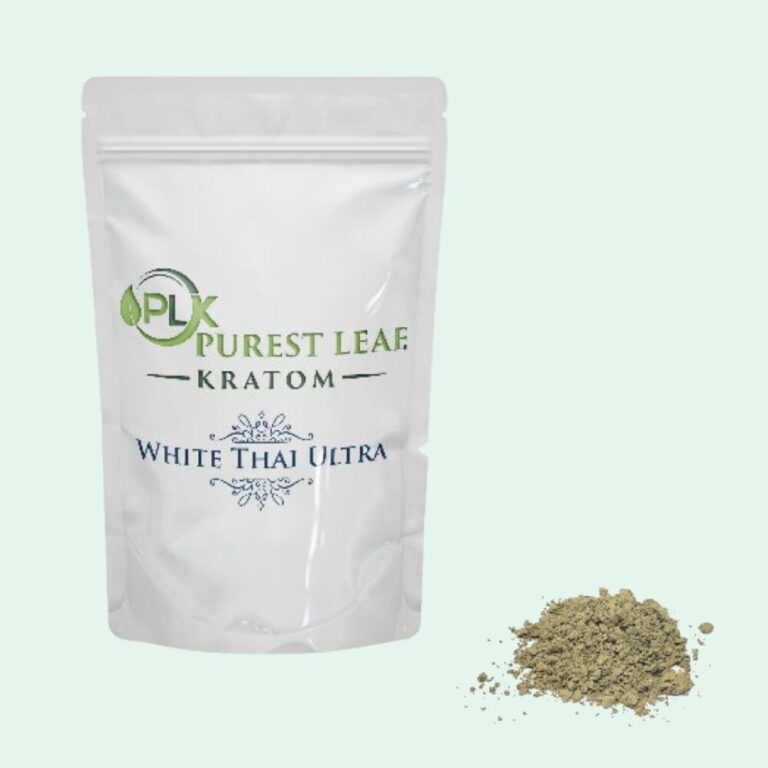
Understanding how different vein colors influence your experience is also crucial. Consulting a reliable kratom strains chart can help you identify whether a Green Thai or a Red Bali is better suited for your specific pain management needs.
The Anxiety Archetype Framework
Anxiety is not a monolith, and treating it requires nuance. The “best” supplement depends entirely on your anxiety archetype.
Archetype 1: The Daily Social & Work Anxious
If you experience persistent background anxiety, social jitters, or focus issues at work, standard CBD or targeted minor cannabinoids are your best bet. A 2026 pharmacological review from Neurogan highlighted that CBG (Cannabigerol) reduced anxiety by 26.5% in early in-vivo experiments. Because cannabinoids have zero intoxication risk, they are perfect for daytime, professional use.
Archetype 2: Acute Panic & Severe Mood Dips
For sudden panic, emotional exhaustion, or severe mood regulation issues, users often turn to Kratom. According to recent demographic studies (Perplexity/PMC, 2023), 82-84% of lifetime users rank Kratom in their top 5 preferred substances for mood upliftment. However, this comes with a “Proceed with Caution” warning. Kratom should be viewed as a high-potency intervention, not a mindless daily habit.
Who Might Benefit Most from Each Option?
Comparing kratom vs CBD becomes easier when viewed through practical wellness scenarios rather than broad claims. Each botanical may appeal to different individuals depending on their goals, preferences, and comfort with different pharmacological profiles.
Someone seeking gradual support as part of a long-term wellness routine may naturally gravitate toward CBD because of its widespread use in stress management and daily wellness practices. Individuals looking for more immediate and noticeable botanical effects may instead evaluate kratom, particularly when researching products intended to support mood or temporary physical discomfort.
Some consumers also consider practical lifestyle factors. Those working in highly structured professional environments may prefer the subtle nature of CBD, while others prioritize the stronger subjective effects associated with carefully measured kratom products. Neither approach is universally superior; the appropriate choice depends on individual circumstances, intended use, and informed decision-making.
The “Reddit Reality Check”
User forums like Reddit are a goldmine for anecdotal experiences, but they can be misleading without clinical context.
- What Reddit Gets Right: Kratom works significantly faster and feels much stronger than CBD for acute anxiety. It provides a tangible, immediate mood lift that CBD simply cannot match.
- What Reddit Gets Wrong: Forums often downplay “Kratom instability”—the risk of developing a dependency if used in high doses every single day. Medical News Today correctly identifies this safety gap; while CBD carries zero dependency risk, Kratom requires strict discipline and routine tolerance breaks.
The Synergy Question: Can You Combine Them?
One of the most rapidly growing, yet rarely discussed, queries in the wellness space is whether you can safely combine Kratom and CBD. Users are looking for the “punch” of Kratom alongside the “balance” of CBD.
The science is finally catching up to user experimentation. A landmark 2023 study published in Life Sciences investigated the synergy between mitragynine and cannabinoids for Chemotherapy-Induced Peripheral Neuropathy (CIPN). The findings suggest a profound synergistic effect, particularly for neuropathic pain.
When used responsibly, high-quality CBD can help smooth out the stimulating “edges” of certain white or green Kratom strains, potentially reducing the likelihood of anxiety while amplifying the pain-relieving properties. If you choose to explore this synergy, always start with a half-dose of your usual Kratom amount, as cannabinoids can alter how your liver metabolizes the alkaloids.
2026 Legal & Regulatory Survival Guide
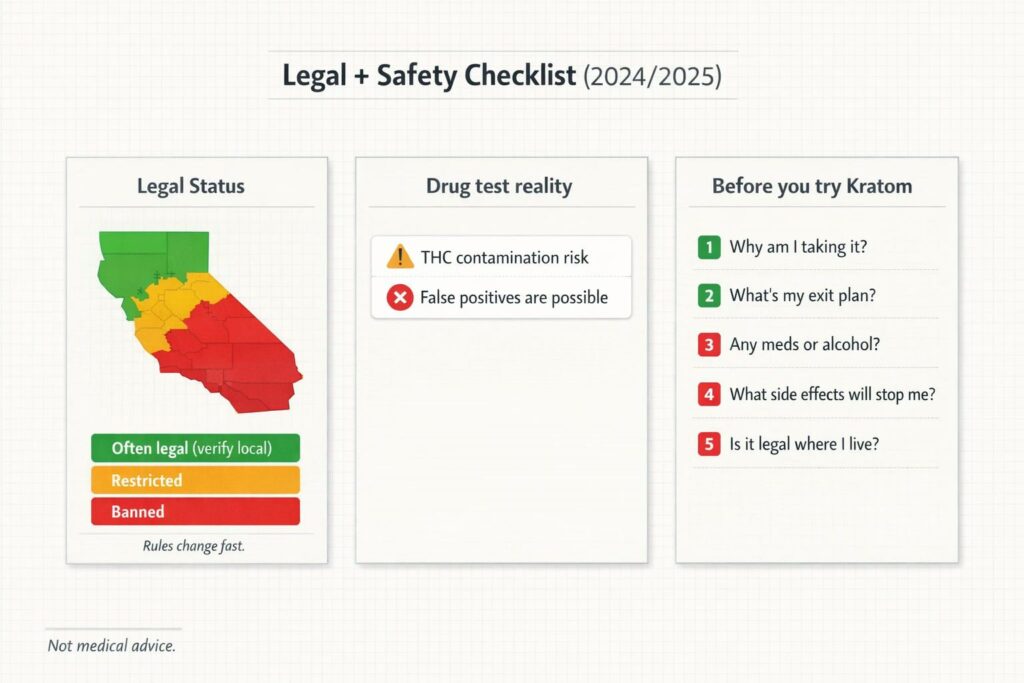
Because of its interaction with opioid receptors, Kratom faces significantly more regulatory scrutiny than CBD. While hemp-derived CBD is federally legal in the US and widely accepted globally, Kratom exists in a fluid legal landscape.
Following the FDA’s persistent safety warnings throughout 2024 and 2025, several US states and municipalities have implemented localized bans or heavy restrictions. Conversely, international markets like Czechia have introduced progressive regulatory frameworks emphasizing quality control and age restrictions rather than outright bans.
Before purchasing, verify your local laws. More importantly, source your botanical products from vendors that prioritize transparency. Direct-to-consumer platforms that source straight from Southeast Asian farms—bypassing shady middlemen—are the only way to ensure your Kratom is free from adulterants and heavy metals.
Choosing a High-Quality Kratom or CBD Product
Product quality is one of the few variables consumers can control directly when comparing kratom vs CBD. Regardless of which botanical you choose, transparent manufacturing practices significantly improve your ability to evaluate safety, consistency, and product authenticity.
Start by reviewing whether the manufacturer provides current, batch-specific Certificates of Analysis from an independent laboratory. These reports should verify potency while also screening for contaminants such as heavy metals, microbial organisms, and other impurities.
Next, examine sourcing practices. Reputable companies openly discuss where their botanicals are cultivated, how they are processed, and what quality assurance procedures are followed before products reach consumers. Transparency throughout the supply chain often reflects stronger manufacturing standards.
Finally, evaluate labeling and customer education. Companies committed to long-term quality typically provide detailed product information, serving guidance, laboratory documentation, and educational resources rather than relying primarily on marketing claims.
Whether purchasing kratom or CBD, choosing products supported by objective laboratory data allows consumers to make more informed decisions based on measurable quality rather than promotional language alone.
The Harm Reduction Checklist
Before integrating Kratom or CBD into your regimen, ask yourself these five critical questions:
- What is my primary goal? (Inflammation = CBD. Acute pain/Energy = Kratom).
- Am I taking prescription medications? Both CBD and Kratom can interact with liver enzymes (specifically the CYP450 pathway). Always consult a physician if you are on medications.
- Does the vendor provide third-party lab testing? Never buy Kratom or CBD that lacks a verifiable Certificate of Analysis (COA) proving alkaloid/cannabinoid content and purity.
- What is my tolerance for risk? If you have a history of substance dependency, Kratom’s profile requires extreme caution; CBD is the safer avenue.
- Do I know my dose? Always employ the “start low, go slow” methodology.
Frequently Asked Questions
Will I fail a drug test?
Standard 5-panel drug tests do not look for CBD or Kratom. However, full-spectrum CBD contains trace amounts of THC, which can accumulate and trigger a false positive. Kratom is not an opiate and will not trigger an opiate false positive, but some specialized employers and parole panels now use specific tests (like a 10-panel or specific mitragynine assay) to detect Kratom alkaloids.
Which is better for sleep?
For chronic insomnia related to an overactive nervous system, CBN (a minor cannabinoid) or full-spectrum CBD is highly effective and sustainable. If severe pain is keeping you awake, a heavy dose of a Red Vein Kratom strain can act as a powerful sedative, though it should not be relied upon nightly to avoid tolerance build-up.
How do I avoid Kratom dependency?
Treat Kratom as an occasional tool rather than a daily necessity. Implement strict “days off” (e.g., 3 days on, 4 days off), rigorously measure your powder with a digital scale to prevent dose creeping, and never use extracts until you are highly experienced with standard powders.
Moving Forward with Confidence
Choosing between Kratom and CBD doesn’t have to be a guessing game based on conflicting Reddit threads and dry medical warnings. If you need powerful, rapid relief for acute pain or a significant mood lift, Kratom offers unmatched botanical potency. If you are looking for long-term, sustainable modulation for inflammation and daily stress with a high safety margin, CBD is your foundational tool.
At Kratom-Online, we believe that an informed customer is our best customer. We are committed to raising the standard of the online kratom industry by offering premium, directly sourced Mitragyna speciosa that is rigorously tested for quality and purity.
When you are ready to explore high-quality, transparently documented Kratom, start by reviewing product profiles and lab reports to ensure you are getting exactly what you need for your wellness journey.