
Kratom Interactions Explained: Receptors, Liver Enzymes, and Safe Botanical Stacking
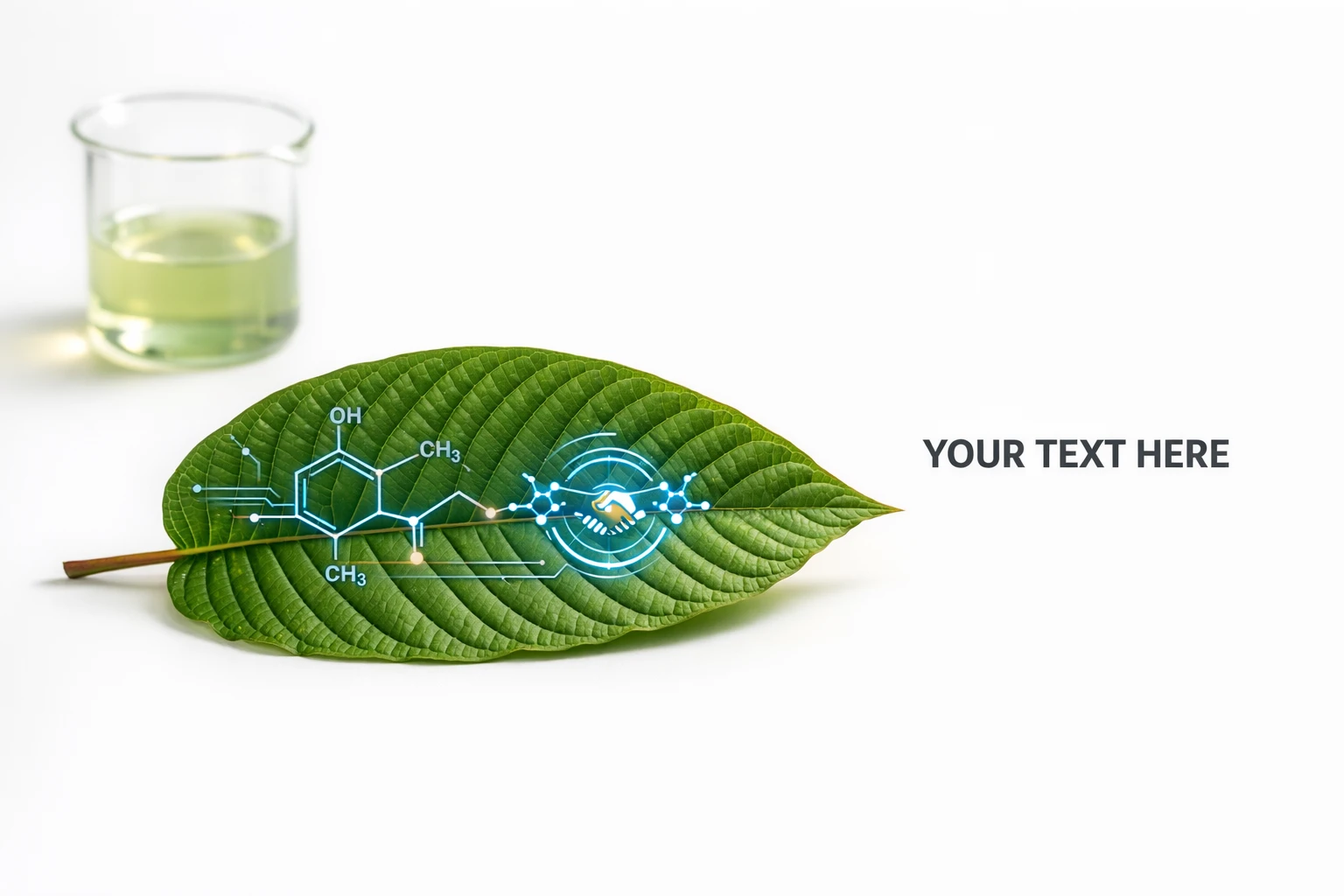
When you combine botanicals like kratom, kava, or CBD, the most important question isn’t what each one does on its own. The real question is how they modify each other inside your body. Most guides stop at surface-level effects, but true safety and synergy come from understanding two critical systems: the “processing plants” in your liver and the “molecular handshakes” at your cell receptors.
Think of your body as a busy city. Active compounds from botanicals are like vehicles trying to get to specific destinations (receptors) using a limited number of highways (liver enzymes). When you introduce multiple compounds at once, you can create traffic jams and unexpected outcomes. Understanding these biological pathways is the key to moving from experimentation to informed optimization.
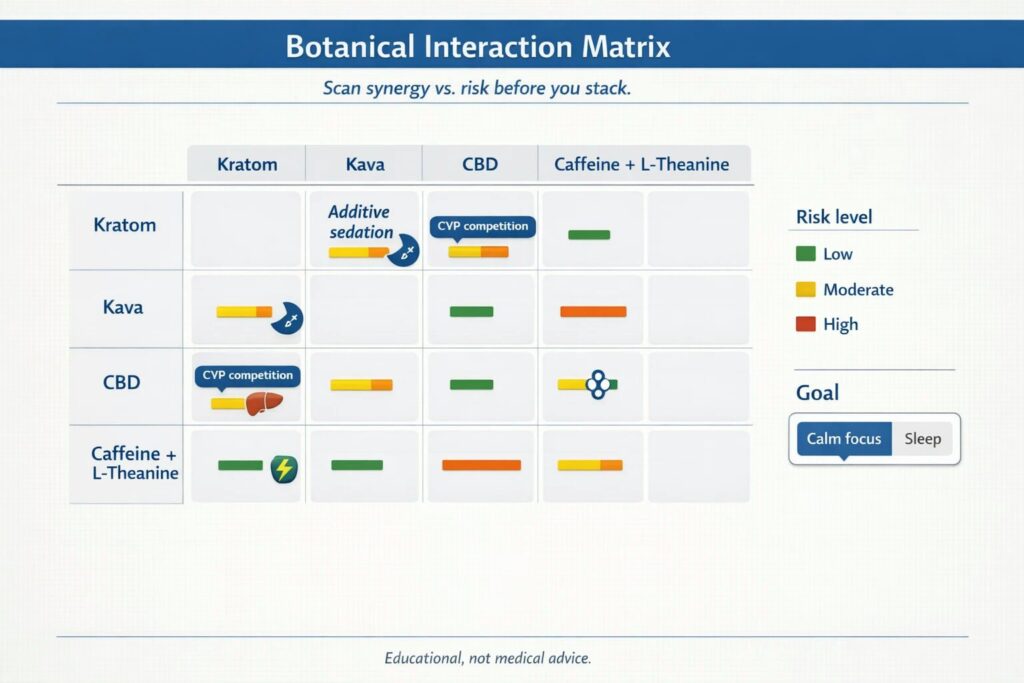
A quick safety-first scan of common botanical stacks, highlighting where risk comes from (sedation vs. liver-enzyme competition) before you experiment.
What Are Kratom Interactions?
Kratom interactions occur when kratom’s active alkaloids influence—or are influenced by—other substances consumed at the same time. These interactions may involve prescription medications, dietary supplements, caffeine, alcohol, or other botanicals such as CBD and kava. Understanding how these interactions occur is an important part of responsible botanical use.
Scientists generally classify interactions into two categories: pharmacokinetic interactions and pharmacodynamic interactions. Pharmacokinetic interactions affect how the body absorbs, distributes, metabolizes, or eliminates compounds. Pharmacodynamic interactions occur when multiple compounds influence the same biological systems or receptors, increasing, decreasing, or modifying their overall effects.
Many botanical combinations involve elements of both mechanisms simultaneously. One botanical may slow the metabolism of another while also affecting complementary neurotransmitter systems, making the overall interaction more complex than simply combining two separate effects.
The processing plant: How liver enzymes create botanical traffic jams
Your liver uses a family of enzymes called cytochrome P450 (CYP450) to metabolize most substances you consume, from caffeine to prescription medications. Many botanicals rely on the same specific enzymes, creating competition. When two compounds are vying for the same enzyme, the liver can’t process them both at full speed. This metabolic bottleneck can cause one or both compounds to stay in your system longer and at higher concentrations than intended.
This is not just “liver stress.” It’s a direct mechanism that can amplify effects and side effects. For example, CBD is a known potent inhibitor of two key enzymes: CYP3A4 and CYP2D6. According to 2023 research in Clinical Pharmacology & Therapeutics, these are the very same enzymes responsible for breaking down kratom’s alkaloids.
Combining CBD and kratom can therefore significantly increase kratom’s plasma concentration, potentially turning a standard dose into a much stronger and more sedating experience. This interaction isn’t about the compounds’ effects adding up; it’s about one compound changing the metabolic fate of the other.
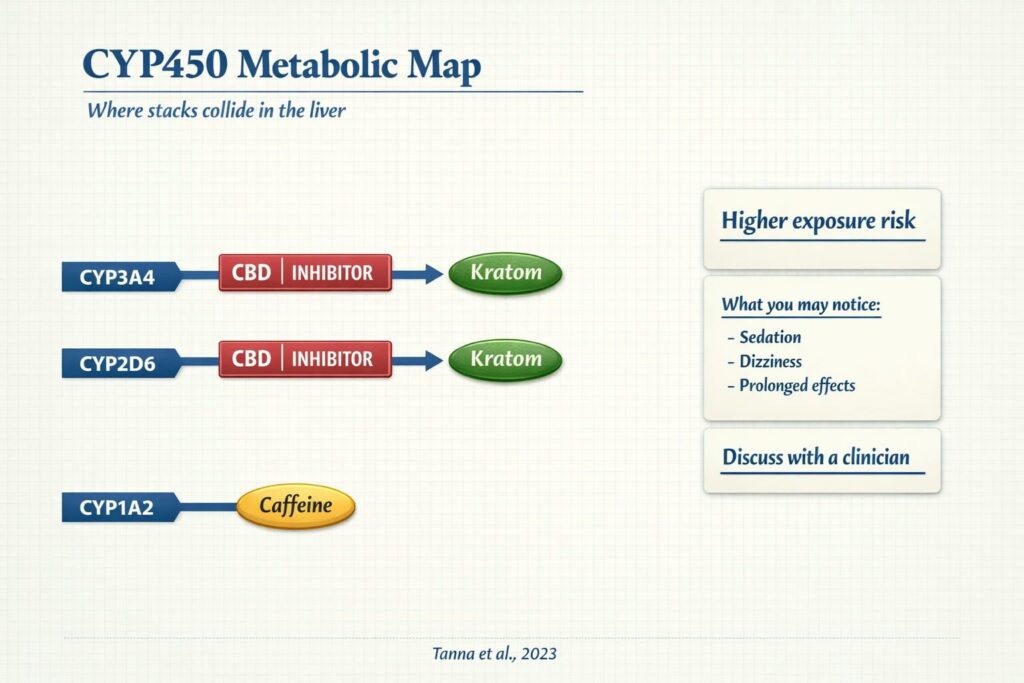
A liver-enzyme view of interactions: when two botanicals share the same CYP pathways, one can raise the other’s exposure—often the real reason stacks feel stronger.
Factors That Influence Kratom Interactions
Although liver enzymes and receptors explain the biological mechanisms behind most interactions, several practical factors determine how noticeable those interactions become in everyday use.
Dosage is one of the most significant variables. Higher amounts of either kratom or another botanical increase the likelihood that metabolic competition or receptor overlap will produce measurable changes in effect. Even compounds with relatively mild pharmacological activity may produce stronger interactions when consumed in larger quantities.
Timing also plays an important role. Taking two botanicals simultaneously may produce different results than spacing them several hours apart, particularly when one compound affects liver enzyme activity. The sequence in which botanicals are consumed can influence how each is metabolized.
Individual physiology further contributes to variability. Genetics, liver health, body composition, age, hydration status, and concurrent medications all affect how efficiently the body processes botanical compounds. These differences help explain why experiences reported by one individual may not accurately predict another person’s response.
Finally, the quality and composition of botanical products matter. Different kratom batches naturally vary in alkaloid content, while CBD, kava, and other botanicals may differ in concentration depending on cultivation methods, extraction techniques, and manufacturing standards. These variations influence both potency and interaction potential.
The molecular handshake: a deeper look at receptor binding
While liver enzymes control how long a compound stays in your body, cellular receptors determine what it does while it’s there. Active compounds are like keys that fit into specific locks (receptors) on the surface of your cells, triggering a biological response. Understanding this interaction reveals a more nuanced picture than simple labels like “stimulant” or “sedative” can provide.
One of the most important recent discoveries in pharmacology is the concept of biased signaling. This explains how two compounds that bind to the same receptor can produce vastly different effects. It’s not just about turning a receptor “on” or “off”; it’s about how it’s turned on.
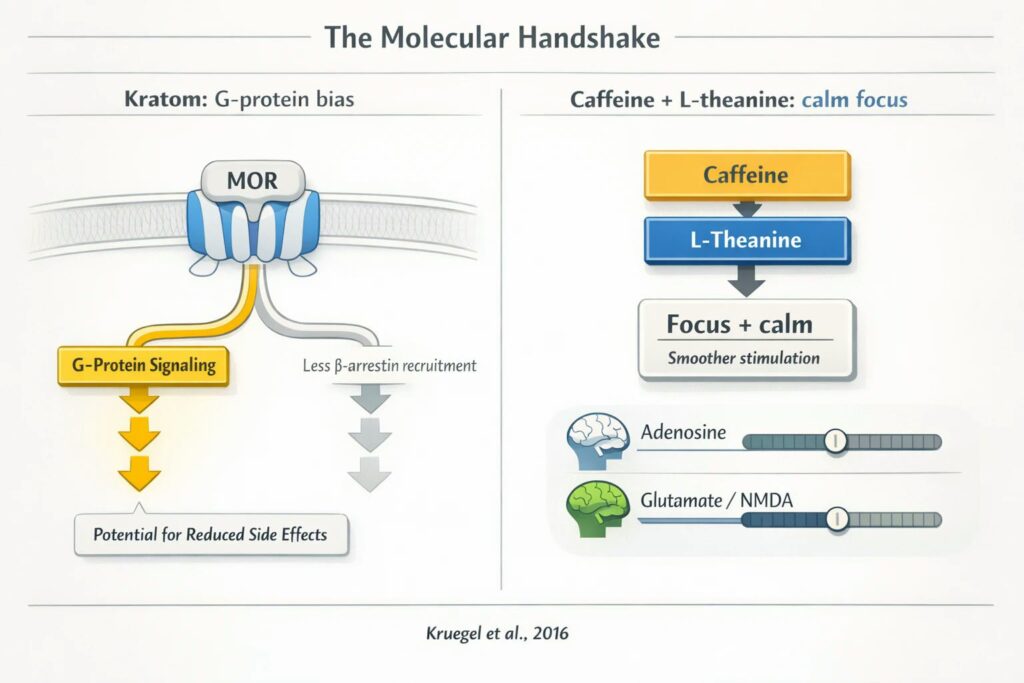
Mechanisms you can act on: understand whether effects come from receptor signaling style (bias) or from balancing stimulation and glutamate activity in a stack.
Kratom’s unique signal: beyond the opioid receptor label
The primary alkaloid in kratom, mitragynine, binds to the μ-opioid receptor (MOR), the same receptor targeted by classical opioids. However, it activates it differently.
Research from 2016 by Kruegel et al. found that mitragynine is a G-protein-biased agonist. This means it primarily activates the pathway responsible for its desired effects without strongly recruiting a protein called β-arrestin. The recruitment of β-arrestin is associated with the severe side effects of traditional opioids, such as respiratory depression. This biased signaling is a key molecular differentiator that helps explain kratom’s unique profile.
Kava and kratom: a potential for synergy and sedation
When considering stacking, it’s vital to look at how different receptor systems overlap. While the discussion of kava vs kratom often focuses on their distinct cultural histories, their pharmacology reveals a potential for strong interaction. Kava’s primary active compounds, kavalactones, primarily act on GABA receptors, which are the main inhibitory system in the brain.
Combining a MOR agonist like kratom with a GABAergic substance like kava can produce a powerful additive sedative effect. While some users seek this synergy for relaxation, it can also lead to unintended levels of drowsiness and impairment, making it a combination that requires significant caution and dose reduction.
L-theanine and caffeine: the calm-focus stack
The classic combination of caffeine and L-theanine is a perfect example of positive receptor-level interaction. Caffeine works by blocking adenosine receptors, preventing the chemical signal that makes you feel tired. This can sometimes lead to jitters and anxiety. L-theanine, an amino acid found in green tea, works in part by modulating glutamate receptors, which helps regulate excitatory brain activity. The result is the focused energy of caffeine without the overstimulation, a clear demonstration of how two compounds can balance each other’s effects at the receptor level.
Common Botanical Combinations and What to Know
Many people researching kratom interactions are specifically looking for information about common botanical combinations rather than general pharmacology. Although individual responses vary, understanding the mechanisms involved can help explain why certain combinations receive more attention than others.
Kratom and CBD
CBD primarily influences kratom through metabolic interactions involving CYP450 enzymes. Because CBD can inhibit enzymes responsible for metabolizing kratom alkaloids, combining the two may alter how long kratom remains active in the body.
Kratom and Kava
Kratom and kava primarily illustrate pharmacodynamic interaction. While they influence different receptor systems, both may contribute to relaxation and sedation, increasing the importance of careful dosing and individual assessment.
Kratom and Caffeine
Some individuals combine kratom with caffeine in an effort to balance stimulation and focus. Because caffeine primarily acts through adenosine receptors while kratom has a different pharmacological profile, individual responses vary depending on dose, product composition, and personal sensitivity.
Kratom and L-Theanine
L-theanine is often discussed alongside kratom because of its role in modulating glutamate signaling and promoting relaxation without pronounced sedation in many individuals. Although research on this specific combination remains limited, understanding receptor activity provides a scientific framework for evaluating potential interactions.
Tapering with science: managing withdrawal pathways
A sophisticated understanding of botanical science isn’t just for optimizing stacks; it’s also crucial for those looking to taper or transition their use. A significant number of people explore substances like L-theanine and CBD as tools to ease the process of reducing kratom intake, and there is a scientific basis for this approach.
During withdrawal from regular use of MOR agonists, the brain’s glutamate system can become overactive, contributing to feelings of restlessness and anxiety. This is where a compound like L-theanine can be particularly helpful. A preclinical study published in the Journal of Neuroscience in 2012 found that L-theanine significantly reduced opioid withdrawal signs in rhesus monkeys, with the researchers pointing to its ability to modulate glutamate and NMDA receptors as the likely mechanism. This provides a scientific rationale for its use as a supportive aid during a kratom taper.
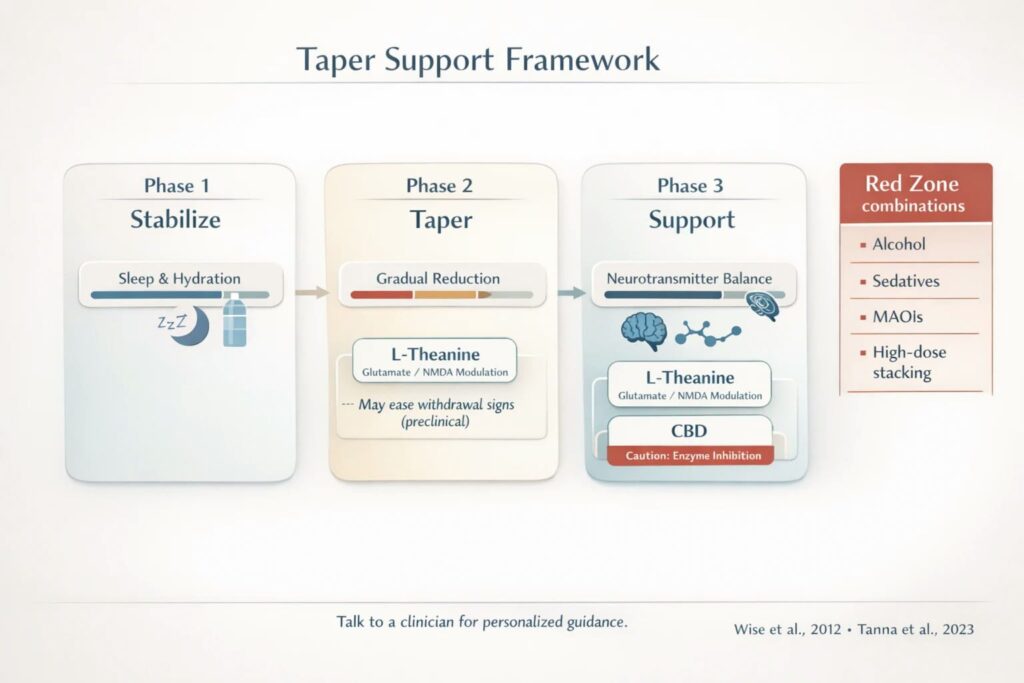
A stepwise framework that separates stabilization, tapering, and support—while flagging the combinations most likely to increase sedation or interaction risk.
When to Avoid Combining Botanicals
Understanding kratom interactions also means recognizing when combining botanicals may introduce unnecessary complexity or increase the likelihood of unwanted effects. While many botanical combinations are discussed within the wellness community, not every combination is appropriate for every individual or situation.
Extra caution is warranted when multiple compounds influence the central nervous system through similar mechanisms. Combining kratom with other substances that promote relaxation or sedation may increase drowsiness, impair coordination, or make it more difficult to predict individual responses. Likewise, combining several products that share the same CYP450 metabolic pathways may alter how long active compounds remain in the body.
Individuals taking prescription medications, managing chronic medical conditions, or recovering from liver disease should exercise additional caution because botanical interactions may influence how certain medications are metabolized. When questions exist about potential interactions, consulting a qualified healthcare professional provides the safest path forward.
Recognizing these situations isn’t intended to discourage botanical use—it helps encourage informed decision-making based on pharmacology rather than trial and error.
A framework for responsible use
Navigating the world of botanicals requires moving beyond anecdotal reports and grounding your decisions in pharmacology. True interaction management means respecting both the metabolic and receptor-level effects of each compound.
A practical framework for safety includes:
- Start Low, Go Slow: This is especially true when combining substances for the first time. Understanding the potential for metabolic inhibition means knowing that your usual dose of one botanical might feel much stronger in the presence of another. A good starting point is our guide on kratom dosage for beginners.
- Map Your Enzymes: Be aware of major CYP450 inhibitors like CBD. If you use them, assume they will potentiate other botanicals that share the same metabolic pathway and adjust your dosage accordingly.
- Respect Receptor Overlap: Avoid combining multiple substances that target the same goal through powerful sedative mechanisms (e.g., kratom, kava, alcohol) without careful consideration and significant dose reduction.
- Consult Professionals: This information is for educational purposes. For a deeper understanding of safe responsible kratom use, and especially if you take prescription medications, always consult with a qualified healthcare provider.
By prioritizing a scientific understanding of how botanicals interact, you empower yourself to make safer, more effective, and more intentional choices. This knowledge is the foundation of a responsible and beneficial relationship with these powerful plants.