
Kratom for Anxiety & Mood Support
In today’s fast-paced world, many of us grapple with anxiety and mood fluctuations. While traditional treatments exist, some individuals are exploring alternatives like Kratom, a plant known for its potential calming effects. At Kratom Online, we are committed to providing you with the highest quality Kratom products that may support your journey towards improved mental well-being.
When considering options like Kratom for anxiety and mood management, it’s important to address these concerns within the broader context of mental health and seek professional guidance for a comprehensive approach.
Let’s take a deeper look into how Kratom can play a beneficial role in anxiety and mood management.
Understanding Kratom
What Is Kratom?
Kratom, botanically classified as kratom mitragyna speciosa, is a tropical tree native to Southeast Asia. Kratom leaves have been used for centuries by locals, traditionally chewed, brewed as teas, or processed into powders and capsules for various medicinal purposes, including pain relief, managing chronic pain, and mood enhancement. The leaves can contain powerful alkaloids that are believed to be responsible for its effects, making it a focal point for people exploring alternative support for anxiety and mood.
How Kratom Works in the Body
The primary alkaloids in Kratom, namely mitragynine and 7-hydroxymitragynine, interact with the brain’s opioid receptors and influence various brain chemicals, including neurotransmitters like serotonin and dopamine, as well as hormones involved in mood and stress regulation. At low doses (typically around 1-5 grams), kratom can produce stimulant like effects, boost energy, and enhance alertness and mood. In contrast, higher doses (5-15 grams or more) can lead to sedative effects, inducing relaxation and sleepiness.
Different Strains of Kratom and Their Effects
Kratom and Opioid Withdrawal & Anxiety Management
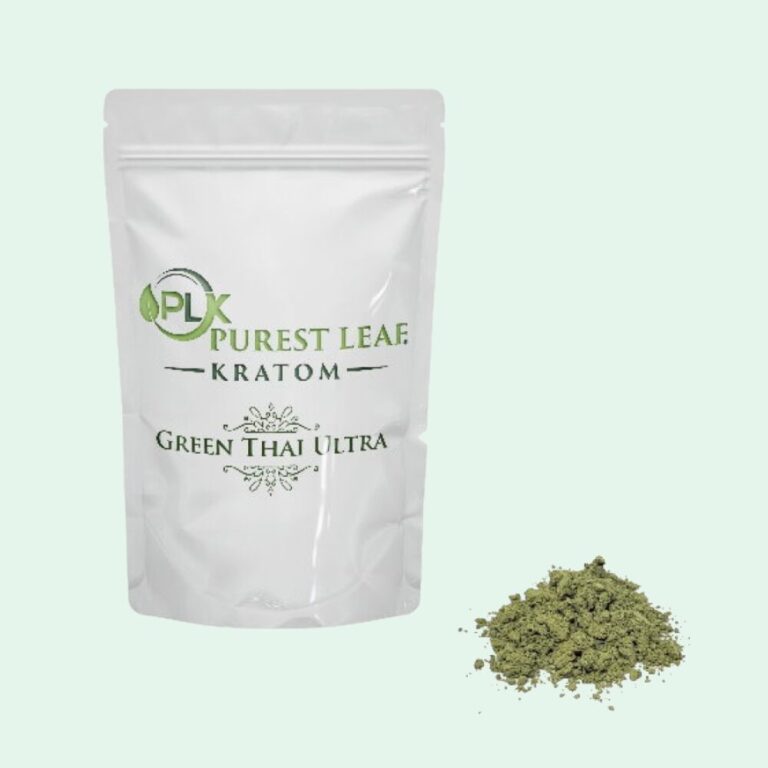
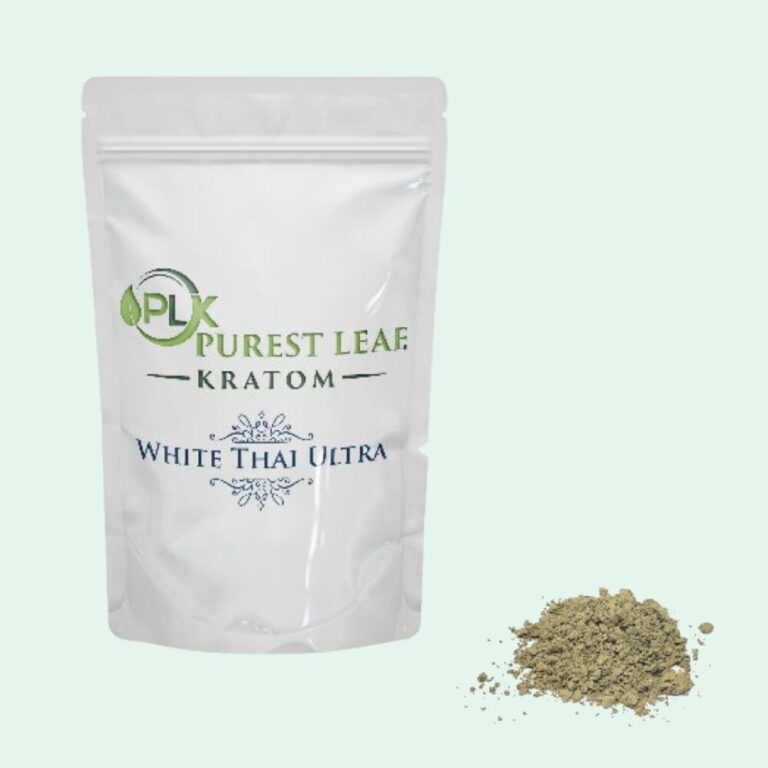
Kratom has become known as a potential ally for those managing anxiety. Surveys indicate that a considerable percentage of users resort to Kratom for calming effects. Different strains can offer varying results: for instance, certain strains are more energizing while others are specifically chosen for their anti anxiety effects and soothing properties. Strains like Maeng Da are often cited for their mood-elevating benefits, helping users feel a reduction in anxiety levels. Indo kratom, originating from Indonesia, is another popular strain known for its balanced, mild anti anxiety effects, mood enhancement, and relaxation.
Science Behind Kratom for Anxiety Relief
While definitive scientific studies are limited, user surveys and anecdotal reports suggest that kratom effects may include anxiolytic potential as well as mood elevation. Users frequently describe acute benefits like increased sociability, heightened focus, and a notable decrease in feelings of anxiety or pain, but also report risks such as dependence, withdrawal, and adverse interactions with medications. Some individuals use kratom for treating depression or symptoms of depressive disorder, seeking relief from low mood and related symptoms, though more research is needed to confirm its safety and efficacy. It is important to note that regular or high-dose kratom use may increase the risk of substance use disorder due to its interaction with the brain’s opioid receptors. Although more research is needed, preliminary evidence highlights its appeal as a natural option for mood support.
Recognizing Anxiety Symptoms
Anxiety can manifest in many ways, often making daily life feel overwhelming. Kratom users sometimes turn to this dietary supplement in hopes of easing anxiety symptoms such as persistent worry, restlessness, rapid heartbeat, sweating, trembling, and trouble concentrating. While kratom may offer temporary relief for some, it’s important to remember that it is not a clinically approved treatment for anxiety. In certain cases, kratom use can even intensify anxiety symptoms or lead to mood swings. If you notice these signs in yourself or a loved one, it’s crucial to consult a healthcare professional. A proper diagnosis and a personalized treatment plan—whether it involves therapy, medication, or lifestyle changes—can make a significant difference in managing anxiety effectively and safely.
User Experiences and Anecdotal Evidence
Potential Benefits of Kratom for Mood Support
Many individuals who use Kratom report a variety of benefits linked to mood enhancement. Taking kratom is often reported by users to improve mood and boost energy levels. Users frequently describe feelings of improved energy, greater productivity, and an overall better outlook on life. For some, the experience can even lead to an elevated sense of euphoria, making day-to-day challenges feel more manageable. Some individuals turn to kratom as a form of self treatment for anxiety or mood issues, though regular kratom use can lead to different experiences and potential risks, including dependency and withdrawal symptoms.
What the Research Says
Current research largely consists of user surveys and animal studies rather than large-scale clinical trials. The National Institute on Drug Abuse (NIDA) notes that while some users report benefits, there is limited scientific evidence on kratom’s safety and effectiveness, and more comprehensive and controlled studies are necessary to validate these claims thoroughly.
How to Use Kratom for Anxiety and Mood Support
Dosage Guidelines
When considering Kratom for mood support or anxiety relief, dosage is crucial. We recommend starting with a low dosage, typically between 1-5 grams, to gauge its stimulating effects. For those seeking sedation or anxiety relief, higher doses in the range of 5-15 grams may be more effective. Individual responses can vary, so adjusting the dosage according to your needs is essential.
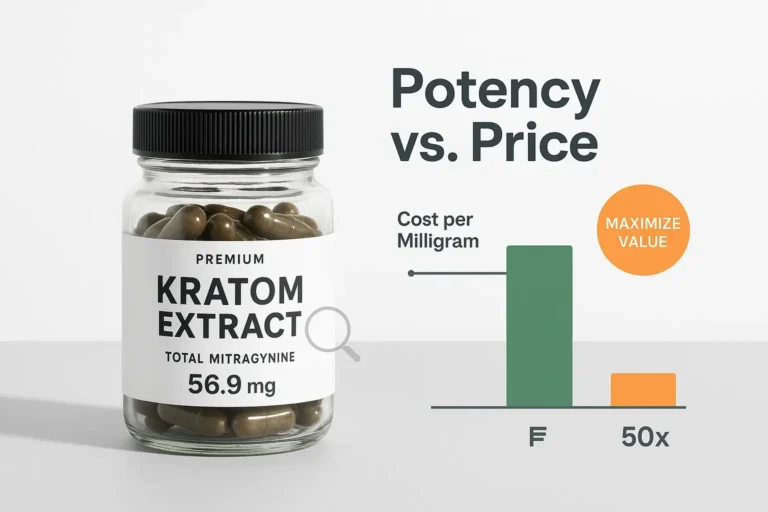
It’s important to note that kratom extract is significantly more potent than regular kratom powder, so much smaller doses should be used and extra caution is needed when dosing.
Forms of Kratom and Consumption Methods
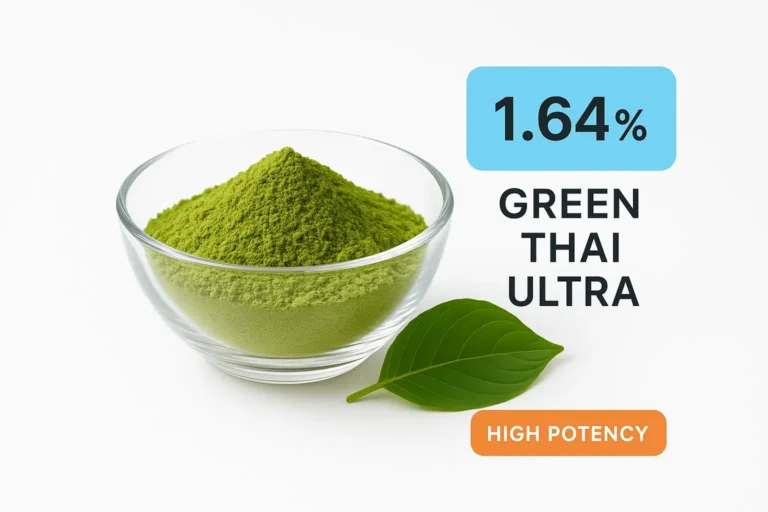
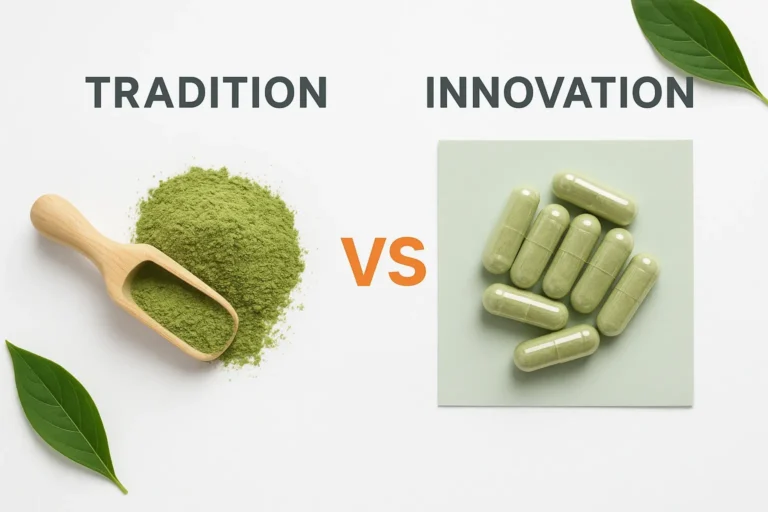
Kratom comes in various forms, including kratom powder, capsules, crushed kratom leaves, and extracts. Each form offers unique advantages regarding consumption and effects. In Southeast Asia, kratom leaves have traditionally been chewed fresh or brewed as tea for their stimulating and calming properties. For example, kratom powder is commonly used to brew warm tea, which many users find to be an enjoyable and effective consumption method. The effects generally last between 3 to 8 hours, depending on the strain and the amount taken.
Safety and Precautions
Consulting with Healthcare Professionals
Before incorporating Kratom into your routine, especially if you are on medications or have health concerns, consulting with a healthcare professional is essential. Due to its unregulated nature and the lack of FDA approval, individual responses to Kratom vary significantly, and professional guidance can help navigate your options safely. Additionally, the Drug Enforcement Agency (DEA) continues to monitor and evaluate kratom’s legal status, reflecting ongoing debates about its safety and regulation.
Summarizing, Kratom presents a promising natural alternative for those exploring options for anxiety and mood support. With various strains offering diverse effects, many users report beneficial outcomes. But, as with any supplement, it is crucial to approach its use with an understanding of potential risks and consult healthcare professionals as needed. At kratom-online.com, we are dedicated to providing the highest quality Kratom products to help you achieve your well-being goals.
Final Thoughts
Kratom is a complex substance that offers both potential health benefits and significant risks. While some people experience anxiety reduction and pain relief from kratom use, others may face challenges such as kratom addiction, withdrawal symptoms, or even overdose. It’s vital to approach kratom use with caution, stay informed about the latest research, and always seek medical attention if you experience negative effects or struggle with anxiety symptoms. With the right support and professional guidance, you can manage these challenges and work toward a healthier, more balanced life. Remember, responsible use and open communication with healthcare providers are key to minimizing risks and maximizing the potential benefits of kratom.
Frequently Asked Questions
What is Kratom and how does it help with anxiety?
Kratom, or Mitragyna speciosa, is a plant known for its potential calming effects. It interacts with opioid receptors in the brain, influencing neurotransmitters like serotonin and dopamine, which can help manage anxiety.
Which Kratom strains are best for mood support?
Strains like Maeng Da are praised for their mood-enhancing properties, while others may offer calming effects. The choice of strain can significantly impact the experience of anxiety relief.
How should I start using Kratom for anxiety relief?
It’s recommended to begin with a low dosage of 1-5 grams to assess its stimulating effects. Adjusting dosage based on individual response is key when using Kratom for anxiety.
Are there any risks associated with using Kratom?
Yes, while Kratom may offer benefits, potential risks include mild withdrawal symptoms and increased tolerance with regular use. It’s vital to approach Kratom cautiously and consult healthcare professionals.
Can Kratom replace traditional anxiety treatments?
While some turn to Kratom as a natural alternative for anxiety relief, it should not replace traditional treatments without consulting a healthcare professional. More research is needed to validate its effectiveness.
How long do the effects of Kratom last?
The effects of Kratom typically last between 3 to 8 hours, depending on the strain and dosage. Individual experiences may vary, making it important to find what works best for you.