
Kratom Purity Check: How Green Thai Ultra’s Organic Sourcing & Testing Guarantees Safety
The kratom industry is currently navigating a significant “Trust Deficit,” and if you are currently evaluating vendors, you have likely felt it. You aren’t just looking for a strain that “works”—you are looking for assurance that what you are putting into your body is safe, clean, and potent.
Let’s be honest about the reality of the market. Industry data suggests that roughly 15-25% of kratom imports fail initial microbial tests or contain unacceptable levels of heavy metals when they first arrive at U.S. ports. For a decision-maker comparing solutions, this changes the game. Success isn’t about finding the vendor with the flashiest marketing; it’s about finding the vendor with the most rigorous, verifiable exclusion criteria.
We believe that “purity” shouldn’t be a buzzword. It should be a measurable outcome of a specific process. Whether you choose our Green Thai Ultra or another premium option, you need a framework to verify safety claims.
The “Safety First” Framework: A 5-Point Evaluation
When evaluating a vendor, you aren’t just buying a powder; you are buying their supply chain visibility. If a vendor cannot clearly articulate how they handle the transition from the farm in Southeast Asia to the sealed bag in your hand, that is a red flag.
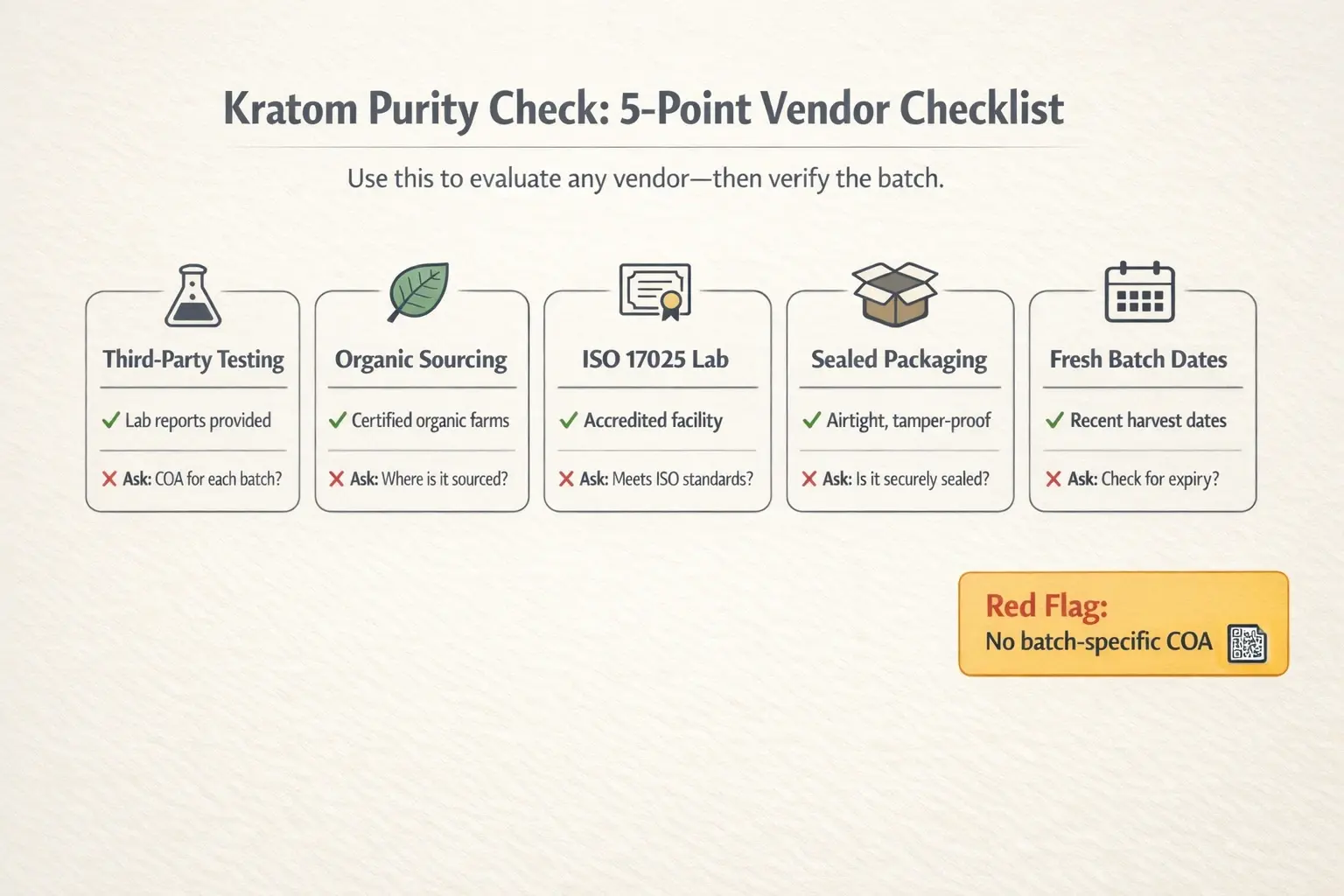
Use this 5-point checklist to grade any product you are considering:
- Verification: Do they offer batch-specific Certificates of Analysis (COAs), or just a generic “sample” lab result from last year?
- Sourcing: Is the product organically sourced to prevent pesticide bioaccumulation?
- Certification: Are the labs used ISO 17025 accredited (the gold standard for calibration and competence)?
- Processing: Does the vendor use air-drying to prevent mold, or cheap sun-drying methods?
- Freshness: Is there a “Ground-to-Bottle” timeline that ensures potency?
The Anatomy of Purity: Sourcing and Processing
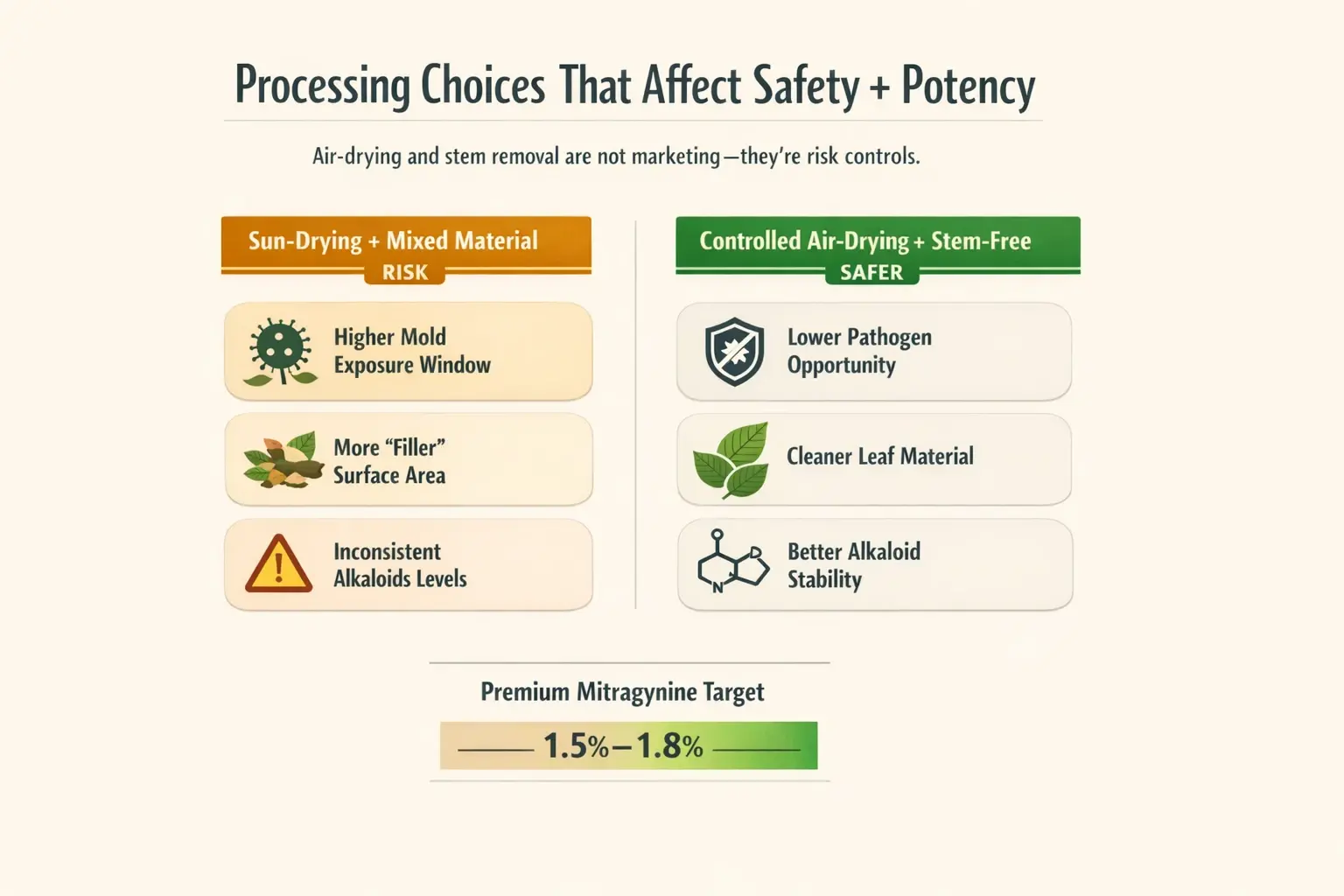
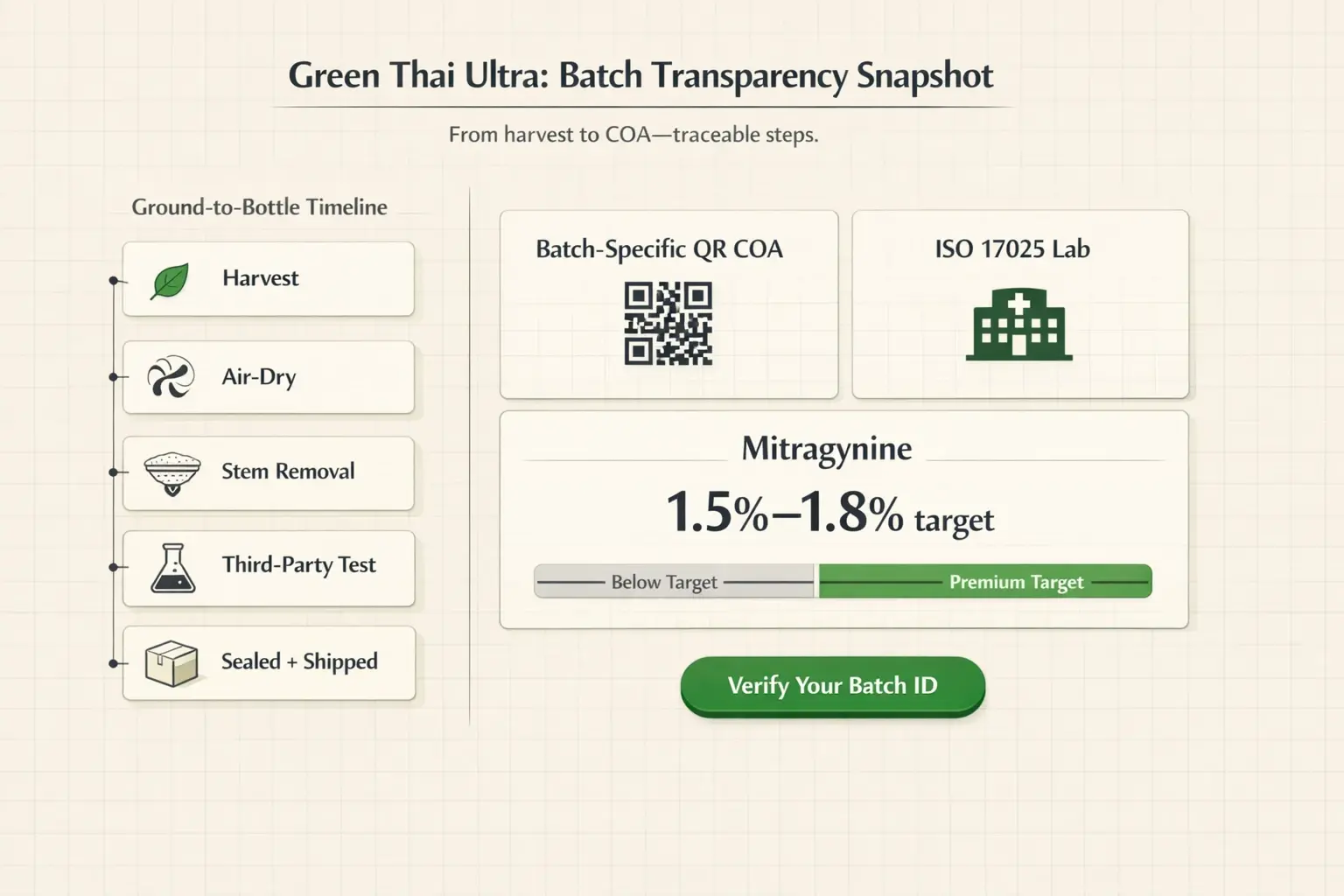
To understand why Green Thai Ultra consistently tests in the premium range (typically 1.5% to 1.8% Mitragynine), you have to look at what happens before the lab test. High-quality kratom is made in the field and the drying room.
Beyond the Leaf: Organic Integrity
The “wild-crafted” label is popular, but it can sometimes mean “picked off the ground.” Authentic quality requires controlled, farm-direct environments. Ethical sourcing in the kratom industry isn’t just about fair wages—it’s about agricultural oversight. By ensuring organic sourcing practices, we prevent the introduction of synthetic fertilizers and pesticides that can concentrate in the final powder.
The Critical Role of Stem & Vein Removal
If you have ever bought kratom that felt weak or caused digestive upset, it likely contained too much stem material. Stems and veins contain significantly lower alkaloid concentrations than the leaf tissue (lamina).
For Green Thai Ultra, we utilize a meticulous de-veining process. By removing 100% of the stems, we achieve two things:
- Higher Potency Density: We remove “dead weight,” ensuring every gram of powder is active plant matter.
- Sanitation: Stems and veins are often where environmental contaminants and microbes hide. Removing them lowers the biological burden before the drying process even begins.
Air-Drying vs. Sun-Drying: The Alkaloid Preserver
This is where most competitors cut corners. Traditional “sun-drying” is fast and cheap, but UV radiation degrades mitragynine. Worse, open-air sun drying exposes the wet leaves to dust, animals, and pathogens.
We utilize a controlled indoor air-drying process. This method protects the alkaloids from UV degradation and keeps the material in a sanitary environment while moisture is removed. Research indicates that proper moisture control is critical; maintaining the right drying environment ensures that when we extract for testing (using methods like methanol extraction which can capture high mitragynine yields), the plant’s profile remains intact.
Decoding the Lab Report: What to Look For
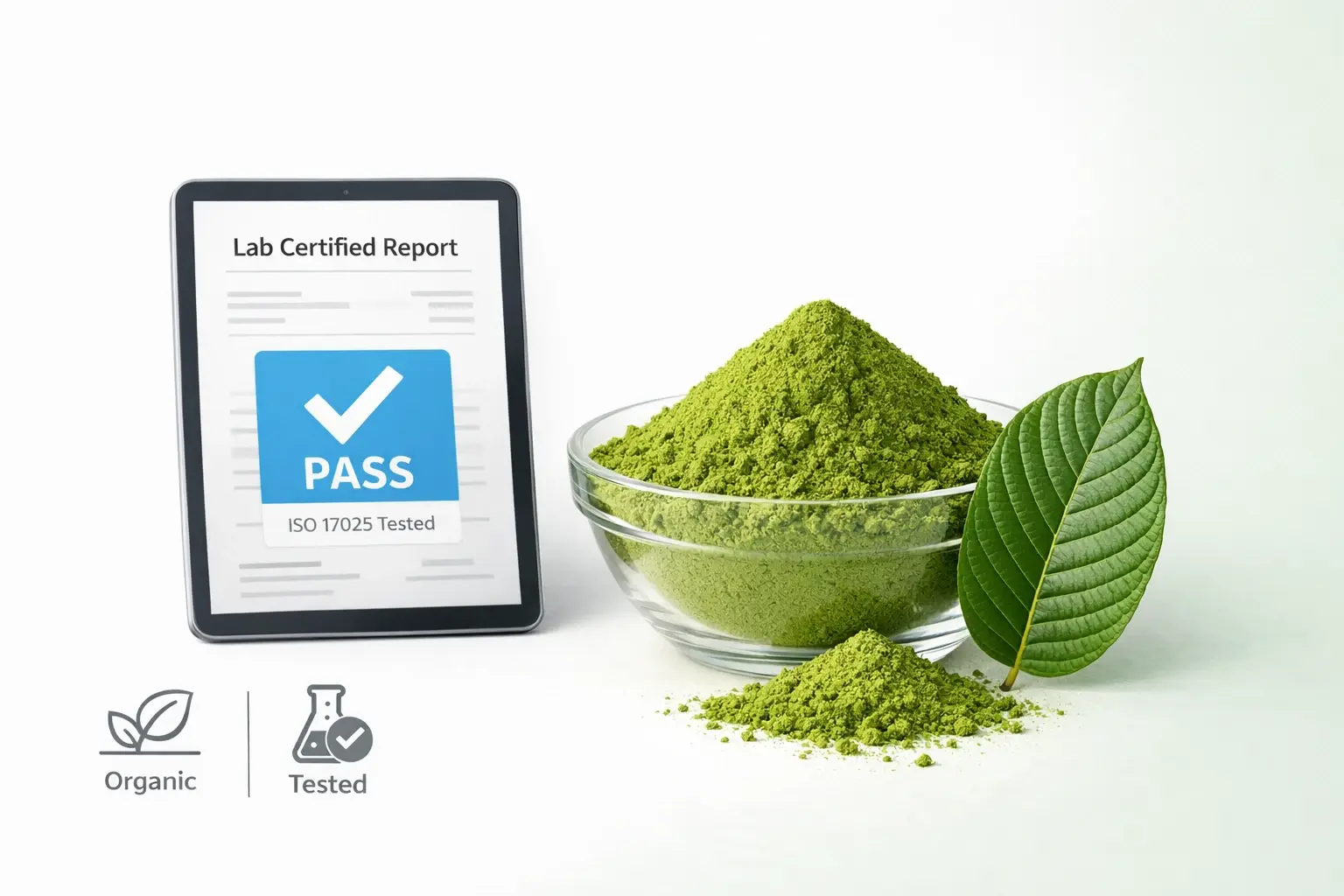
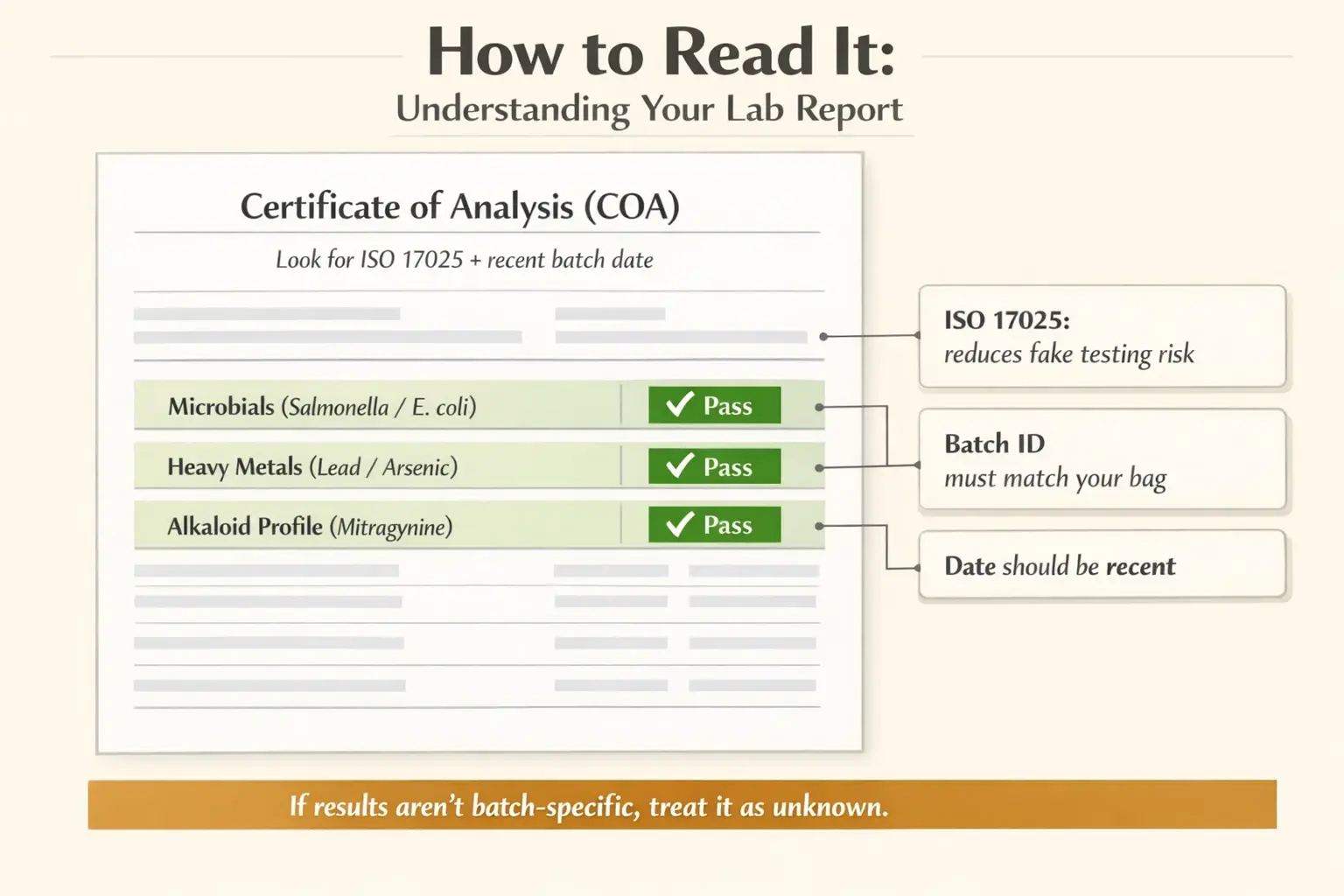
The presence of a lab report isn’t enough; you need to know how to read it. The importance of third-party lab testing lies in the details. A reputable vendor will use an ISO 17025 accredited laboratory. This accreditation matters because it certifies that the lab isn’t “dry-labbing” (faking results) or using uncalibrated equipment.
When you look at the COA for a product like Green Thai Ultra, verify these three columns:
1. Identity & Alkaloid Content
You want to see Mitragynine levels clearly listed. Standard grade kratom often hovers around 1.0% – 1.2%. Premium strains like our Green Thai Ultra target a benchmark of 1.5% and above. This validates that the air-drying and stem removal processes worked.
2. Microbial Safety
This is non-negotiable. The lab must test for Salmonella, E. Coli, yeast, and mold. If a batch shows “Detected” for any pathogen, it is immediately rejected. Our strict rejection policy is why we can stand behind the safety of every bag we ship.
3. Heavy Metals
Understanding heavy metals and contaminants is crucial for long-term consumers. Kratom trees can absorb metals from the soil. We test for Lead, Arsenic, Cadmium, and Mercury to ensure they are well below the safety limits established by industry standards.
Spotlight: The Green Thai Ultra Advantage
We don’t just sell Green Thai Ultra; we engineer its journey to ensure it remains “unaltered, untouched, and uncompromised.”
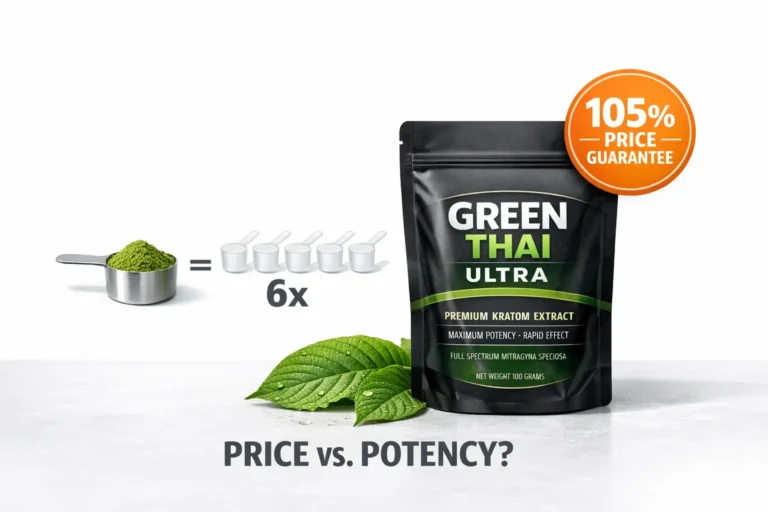
By strictly adhering to the checklist above, Green Thai Ultra represents the intersection of safety and potency. It is a product designed for the educated consumer who understands that a slightly lower price point elsewhere often comes at the cost of skipped safety steps.
When you scan the QR code on a Green Thai Ultra package, you aren’t just seeing numbers. You are seeing proof of a closed-loop system that prioritizes your health over speed.
Frequently Asked Questions
Why is third-party testing necessary if the kratom is organic?
Organic certification refers to the growing method (no pesticides), but organic products can still contain bacteria like Salmonella if not handled correctly. Third-party testing is the only way to verify that the organic product is also pathogen-free.
What is a “good” Mitragynine percentage for Green Vein Kratom?
Standard commercial kratom often tests between 1.0% and 1.3%. A premium “Ultra” strain should test between 1.5% and 1.8%. Anything significantly higher usually indicates that extracts have been added to the powder, which should be disclosed by the vendor.
How does air-drying affect the color of the powder?
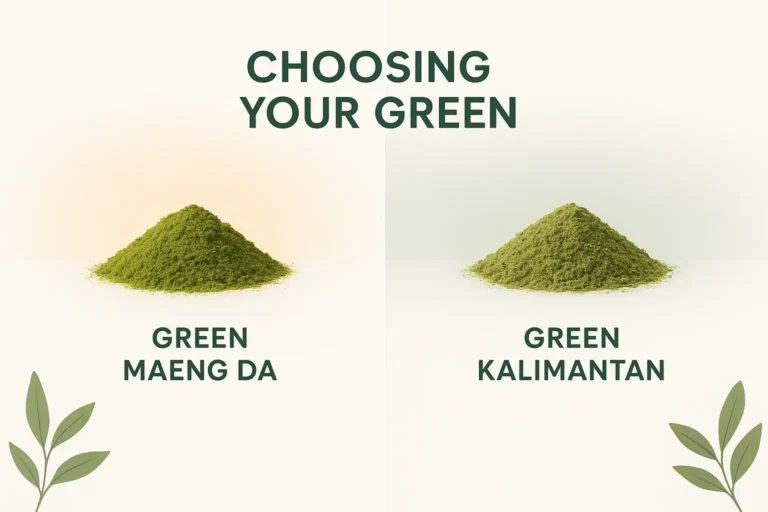
Air-drying indoors preserves the chlorophyll in the leaves, resulting in a vibrant, deep green color. Brown or yellowish powder often indicates oxidation from sun exposure or old age.
Make Your Decision with Confidence
You now have the framework to evaluate any kratom product on the market. We encourage you to use this checklist rigorously. We are confident that when you compare the data, the transparency, and the processing standards, Green Thai Ultra will stand out as the logical choice for your regimen.
Don’t settle for “mystery powder.” Choose the product that has nothing to hide.
[View the Green Thai Ultra Lab Results & Product Page Here]