
Red Vein Kratom Explained
As we continue our mission to provide the best quality kratom products at unbeatable prices, it’s essential to explore the different strains that make kratom a popular choice for many. Today, we’re diving into red vein kratom, one of the most sought-after varieties derived from the kratom plant, a tropical tree native to Southeast Asia. Retailers like Kratom Online make it easy for enthusiasts to access premium, lab-tested kratom products conveniently and safely.
From its origins—where kratom leaves are harvested from the kratom tree—to its effects, benefits, and potential downsides, this guide will provide you with everything you need to know about red vein kratom.
What Is Red Vein Kratom?
Red vein kratom is derived from the leaves of the Mitragyna speciosa tree, a tropical evergreen in the coffee family found primarily in Southeast Asia. The term “red vein” refers to the reddish color of the central veins and stems of the mature leaves. Kratom veins—red, green, and white—are used to distinguish between different kratom strains, each with unique properties. The color of the vein correlates with its alkaloid profile, and these differences in kratom veins contribute to the unique kratom effects experienced with each strain. Red vein kratom is known to promote more sedative effects compared to green or white strains. There are different kratom strains, each offering distinct effects and properties.
Origin and Cultivation
Kratom trees flourish in countries like Thailand, Indonesia, Malaysia, and Papua New Guinea, thriving in hot and humid rainforest environments. Red vein leaves are harvested at full maturity when their alkaloid profile reaches its peak. Key alkaloids, particularly mitragynine and 7-hydroxymitragynine, contribute significantly to the effects experienced by users.
Once harvested, the leaves undergo drying, either in the sun or under controlled conditions. In some cases, fermentation is used to enhance the color and modify the alkaloid balance. After processing, the leaves can be made into kratom powder, kratom capsules, kratom extracts, and kratom tea, which are common products available to consumers. Kratom consumption in these forms is popular among users for its convenience and versatility.
Different cultivation methods and environmental factors lead to regional varieties, such as Red Bali, maeng da kratom, borneo kratom, and indo kratom.
Characteristics and Properties
What sets red vein kratom apart is its distinct analgesic and sedative properties, largely attributed to its unique alkaloid composition that interacts with the brain’s opioid receptors. Red vein kratom is often used to relieve pain, as its pain-relieving effects are similar to those of opioid drugs, though with potentially different side effects and risks. Users typically describe the effects of red strains as “heavy,” characterized by muscle relaxation and a calmer mindset, particularly at higher doses. Because of this, red vein kratom is often reserved for evening use when individuals seek deep relaxation and rest. Red vein kratom is used for both medicinal and recreational purposes, valued for its ability to provide pain relief, relaxation, and overall well-being.
Red Vein Kratom Regional Strains
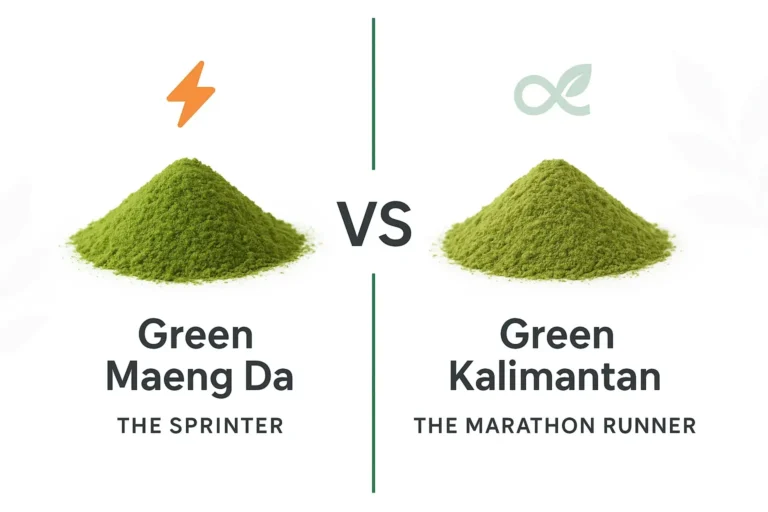
Red vein kratom regional strains are distinguished by the unique environments in which they are grown across Southeast Asia. The climate, soil composition, and traditional harvesting techniques in each region contribute to subtle differences in the effects, potency, and flavor of these vein kratom varieties. For example, Red Bali kratom, one of the most popular red vein strains, is celebrated for its deeply relaxing and calming properties, making it a favorite for those seeking stress relief and restful sleep. In contrast, Red Maeng Da, originally cultivated in Thailand and now widely grown in Indonesia, is known for its balanced profile—offering both soothing and mildly energizing effects, which appeals to users looking for pain relief without excessive sedation. Red Bentuangie, another sought-after strain, undergoes a unique fermentation process that enhances its smooth, mellow character and long-lasting effects. By understanding the distinctions between regional red vein kratom strains like Red Bali, Bali kratom, and others, kratom users can better select the right kratom strain to match their individual needs and preferences.
Effects and Benefits
Kratom effects can vary widely depending on the strain, dosage, and individual response, with users reporting both positive and negative outcomes.
In the realm of kratom usage, red vein kratom stands out for its reported therapeutic benefits, particularly for those dealing with chronic pain, anxiety, or sleep issues. Many people consume kratom in forms such as capsules, powder, tinctures, or tea to achieve these effects.
Common Uses of Red Vein Kratom
- Pain Management: Many users turn to red vein kratom for relief from chronic pain conditions, including back pain, joint pain, and headaches.
- Sleep Support: This strain is often used to help individuals who struggle with insomnia or restless nights, promoting a sense of calm that assists in falling and staying asleep.
- Anxiety and Stress Reduction: Users report significant reductions in anxiety levels and stress, using red vein kratom as a natural means to achieve emotional calmness and stability.
- Opioid Withdrawal Management: Some individuals self-manage opioid withdrawal symptoms with red kratom, and it is also used by some to address opioid addiction and substance abuse. However, it’s important to note that this use is not supported by formal medical guidelines.
The effects can vary widely among individuals, and while many find relief, these uses should be considered anecdotal rather than scientifically validated. Caution is advised, as improper use of red vein kratom can lead to kratom withdrawal, kratom abuse, and other substance abuse risks.
Potential Side Effects and Risks
While red vein kratom offers several potential benefits, it is not without its risks, especially when used improperly or at high doses. Excessive consumption can increase the risk of drug abuse, as some individuals may misuse kratom to self-treat pain, depression, or opioid withdrawal, potentially leading to addiction and other adverse health effects. In some cases, users may develop severe dependence, making withdrawal challenging and requiring structured support or professional care.
Kratom Safety Precautions
Practicing proper safety precautions is key to minimizing the risks associated with kratom use. Always start with low doses to gauge your body’s reaction, and only increase gradually if needed. Choose kratom products from reputable vendors who provide third-party lab testing to ensure purity and safety, as contaminated or adulterated products can lead to adverse effects. Be cautious about mixing kratom with other substances, including medications and other herbal supplements, as interactions can increase the risk of negative outcomes. By prioritizing quality, responsible kratom use, and awareness of potential adverse effects, users can safely enjoy the benefits of this herbal supplement.
How to Use Red Vein Kratom
Red vein kratom can be consumed in several different forms, including:
- Powder: Often mixed with liquids or taken directly in a method known as “toss and wash.”
- Capsules: These provide a convenient, pre-measured dose but may result in slower onset of effects.
- Teas: Users can steep the powder in hot water for a soothing beverage, sometimes enhancing flavor with citrus.
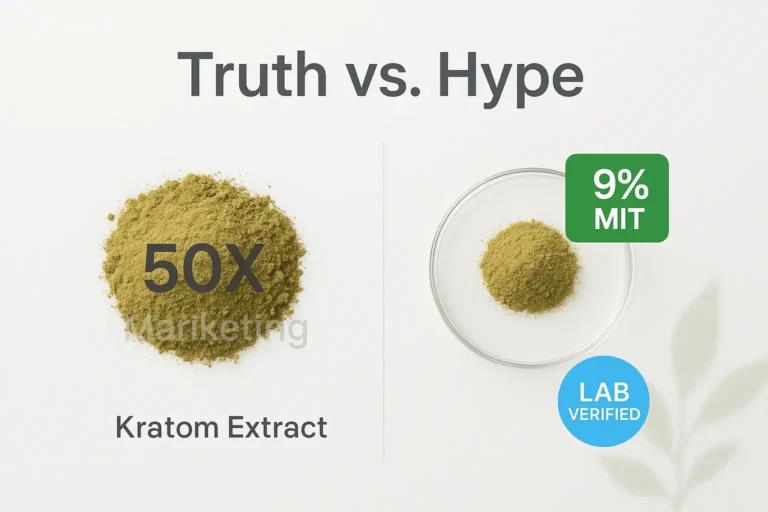
- Extracts: More concentrated and potent, these may carry a higher risk of overuse.
Some users also mix kratom strains, such as combining red vein with white or green strains, to achieve specific effects. However, it is important to test individual strains first, monitor your body’s response, and avoid mixing kratom with alcohol or pharmaceuticals to prevent adverse effects.
Dosage Guidelines
As kratom use lacks formal clinical guidelines, dosing is generally based on personal anecdotes:
- Low Dose: 1-3 grams, providing mild effects.
- Moderate Dose: 3-5 grams, where pain relief and relaxation become more pronounced.
- High Dose: 5+ grams, leading to stronger sedation and a greater risk of adverse effects.
Since individual responses vary significantly due to body weight, tolerance, and strain potency, starting low and proceeding with caution is vital.
Choosing Quality Red Vein Kratom
Selecting high-quality red vein kratom is crucial for ensuring purity and safety. Here are some key aspects to consider when choosing your kratom:
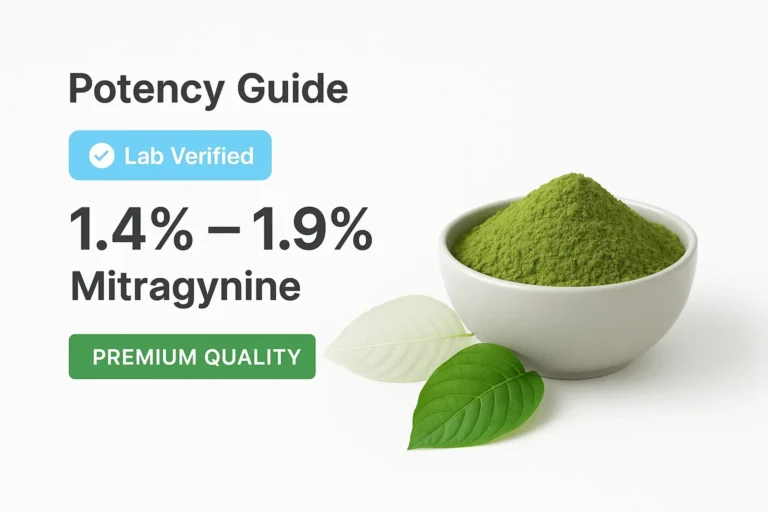
- Third-party Lab Testing: Look for products with certificates of analysis (COAs) that confirm the alkaloid levels and screen for contaminants.
- Clear Labeling: Ensure the product clearly states the strain type, origin, and recommended serving sizes.
- Reputable Vendors: Purchase from vendors with transparent sourcing practices and a commitment to quality control.
Avoid products with claims of curing diseases or conditions, as such marketing can often be misleading.
Conclusion
Red vein kratom is recognized for its soothing, sedative effects, making it an attractive option for those seeking relief from pain, anxiety, and sleep disturbances. But, we must remain mindful of the associated risks, including potential dependence and adverse effects. As we strive to provide the highest quality kratom products here at kratom-online.com, we encourage everyone to conduct thorough research, prioritize product safety, and consult healthcare professionals when needed. Always approach kratom with informed caution, and explore the options available in our quality selection.
Frequently Asked Questions about Red Vein Kratom
What is red vein kratom?
Red vein kratom is derived from the leaves of the Mitragyna speciosa tree, recognized for its reddish veins. It is known for its sedative effects and is commonly used for pain relief, alleviating anxiety, and aiding sleep.
What are the main benefits of red vein kratom?
Red vein kratom is often used for pain management, reducing anxiety, and promoting better sleep. Users report a calming effect, making it suitable for evening use.
How should I take red vein kratom?
Red vein kratom can be taken in various forms, including powder, capsules, teas, and extracts. It’s recommended to start with a low dose (1-3 grams) and adjust as needed.
What are the potential side effects of red vein kratom?
While red vein kratom can be beneficial, potential side effects include dependence, nausea, and dizziness, especially at high doses. It’s crucial to use it responsibly.
Can red vein kratom help with opioid withdrawal symptoms?
Some individuals report using red vein kratom to manage opioid withdrawal symptoms, but this use is not scientifically supported. Consult a healthcare professional before using kratom for such purposes.
How do I choose high-quality red vein kratom?
To choose quality red vein kratom, look for products that are third-party lab tested, have clear labeling, and come from reputable vendors. Avoid products claiming to cure diseases.