
How to Take Kratom: A Science-Based Guide to Kratom Consumption Methods
By the time you’ve decided to integrate kratom into your wellness routine, you’ve likely already navigated a maze of conflicting information. On one side, medical portals present worst-case scenarios with a highly clinical, risk-averse tone. On the other, vendor blogs push generic “how-to” guides that treat this complex botanical like a simple over-the-counter supplement.
Now that we are in 2026, the modern kratom consumer demands more than just basic instructions. You aren’t just asking “how to take kratom”—you’re asking how to achieve the best onset-to-side-effect ratio. How do you get the clear, sustained benefits of the leaf without the gastrointestinal discomfort? How do you separate ancient tradition from modern marketing?
This guide bridges that gap. By treating Mitragyna speciosa with the respect of a sophisticated ethnobotanical—much like craft coffee or artisanal tea—we can look at the data, the science of extraction, and the cultural history to help you optimize your kratom experience.
What Is the Best Way to Take Kratom?
There is no universal “best” way to take kratom because every consumption method offers different advantages. Some users prioritize rapid onset, while others value convenience, digestive comfort, or consistent serving sizes. Choosing the right method depends on your personal goals, experience level, and preferred routine.
For example, tea preparation may improve digestive comfort by reducing plant fiber, while capsules provide convenience and precise serving sizes. Powders offer flexibility for measuring servings, whereas extracts appeal to consumers seeking concentrated products with smaller serving volumes. Understanding these differences helps match the product to the intended experience rather than following one-size-fits-all recommendations.
Product quality remains equally important regardless of preparation method. Even the most effective consumption technique cannot compensate for poorly sourced or inadequately tested kratom.
The Masticatory Ritual: Kratom’s Place in Global Botanicals
To understand how to best consume kratom today, we have to look at how humans have engaged with plant medicines for millennia. Across the globe, “botanical psychonauts” and traditional workers alike have utilized the masticatory ritual—the act of chewing raw leaves. Just as indigenous groups in the Andes chew Coca leaves for altitude and endurance, or Oaxaca cultures use Salvia for spiritual practice, Southeast Asian farmers have historically chewed fresh kratom leaves.
This isn’t merely a historical footnote; it’s a biological strategy. When a fresh leaf is plucked, the central vein is removed, and the leaf is chewed, human saliva acts as a natural solvent. The buccal mucosa (the lining of the cheeks and mouth) allows for rapid, sublingual absorption of alkaloids directly into the bloodstream, bypassing the digestive tract. This traditional method offers a fast onset of functional energy, highlighting that how the plant is introduced to the body is just as important as the plant itself.
How Different Kratom Consumption Methods Compare
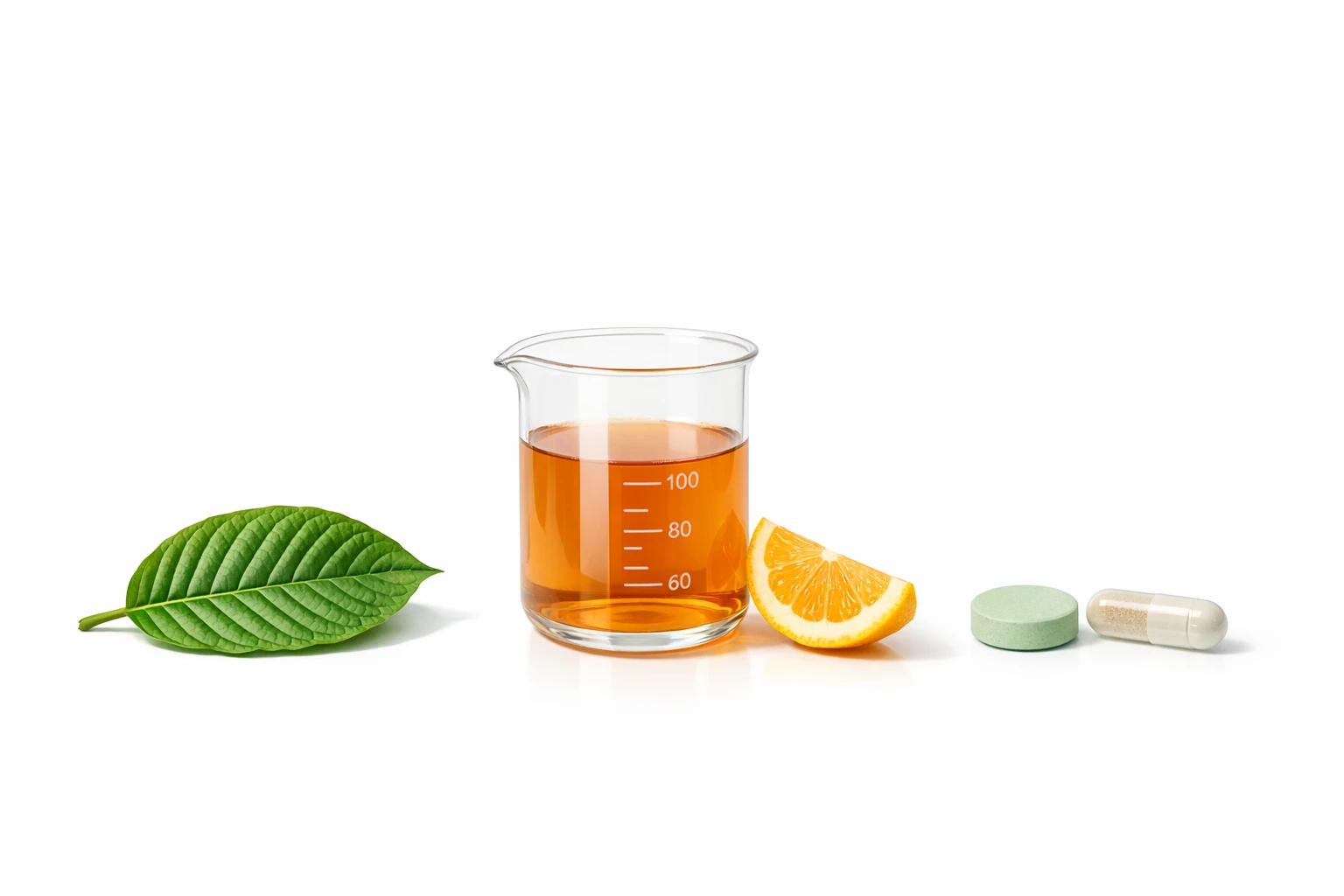
Modern consumers can choose from several kratom consumption methods, each offering different strengths depending on convenience, onset time, preparation effort, and overall experience.
Tea remains popular among users seeking a smoother digestive experience because much of the plant material can be strained before consumption. Powder offers flexibility and affordability while allowing users to prepare tea or use methods such as Toss & Wash. Capsules eliminate bitterness and simplify serving consistency, although they generally require additional time for digestion before effects begin.
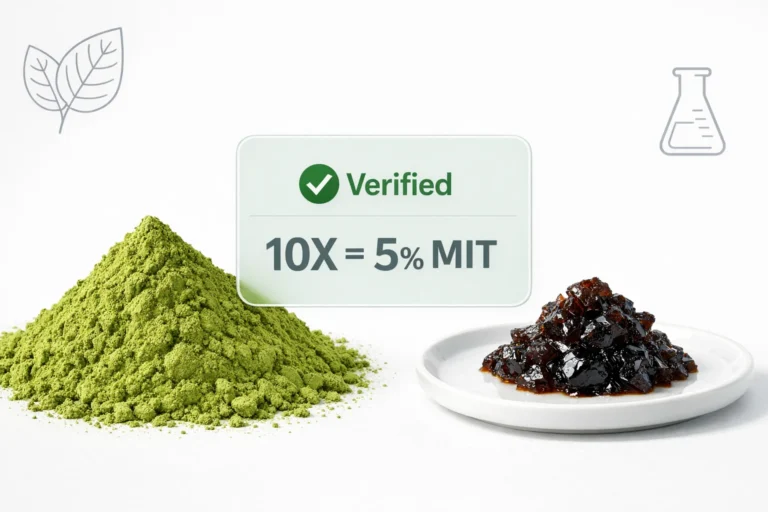
Extracts, tinctures, and tablets provide concentrated alternatives that reduce the amount of plant material consumed, making them attractive for experienced consumers seeking convenience. Because these products often contain higher alkaloid concentrations, understanding product labeling and laboratory verification becomes increasingly important.
Rather than viewing one method as universally superior, consumers benefit from selecting the approach that aligns with their personal goals, digestive comfort, desired onset, and overall routine.
The Evolution of Ingestion: From Raw Leaf to Modern Convenience
As kratom moved from Southeast Asian farms to the global market, the consumption methods had to evolve. Fresh leaves degrade quickly, necessitating the transition to dried, milled powders. This shift birthed three distinct eras of ingestion.
The Traditional Era: Village Brewing
When fresh leaves weren’t chewed, they were boiled into a potent, community tea. Village brewing involved simmering the leaves for hours, effectively extracting the active alkaloids into the water while discarding the indigestible plant fiber. This minimized stomach upset while providing a steady, long-lasting effect.
The Efficiency Era: The “Toss & Wash” and Capsules
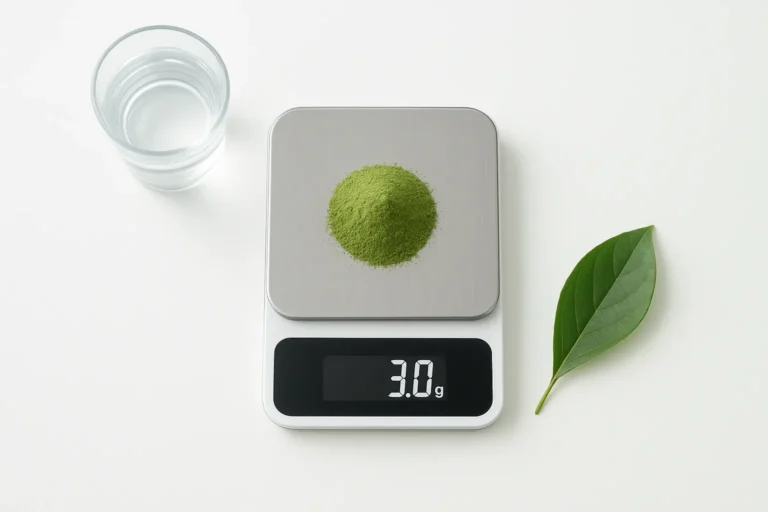
As Western adoption grew, convenience became paramount. The “Toss & Wash” method (swallowing a scoop of dry powder with water) became the modern standard. While highly efficient, it is notoriously unpleasant and can cause gastrointestinal distress due to the sheer volume of insoluble plant fiber entering the stomach.
Capsules solved the taste and texture issues, but introduced a new variable: delayed onset. When relying on these methods, understanding your leaf source becomes critical. For instance, clinical data shows that Thai leaves average an impressive 66% mitragynine of their total alkaloid content, compared to Malaysian leaves which sit closer to 12%. This massive variance is the primary decision factor when evaluating kratom extract vs powder for your daily routine.
The Extract Era: Tinctures and Tea Tablets
By 2026, the market has dramatically shifted. Today, North America holds 82.05% of the global kratom extract market, growing at a rapid 7.8% CAGR. Modern users are experiencing decision fatigue with messy powders and are migrating toward “Tea Tablets” and tinctures. These premium formats solve the botanical bulk problem, offering a precision-dosed, highly bioavailable experience. For the modern consumer, finding an affordable kratom extract is often the final step in refining their regimen.
The Bioavailability Breakdown: Maximizing Effect, Minimizing Discomfort
If you want the benefits of kratom without the nausea, you have to understand a bit of extraction science. The goal is maximum bioavailability—getting the highest percentage of alkaloids to absorb into your system efficiently.
The Citric Acid Secret
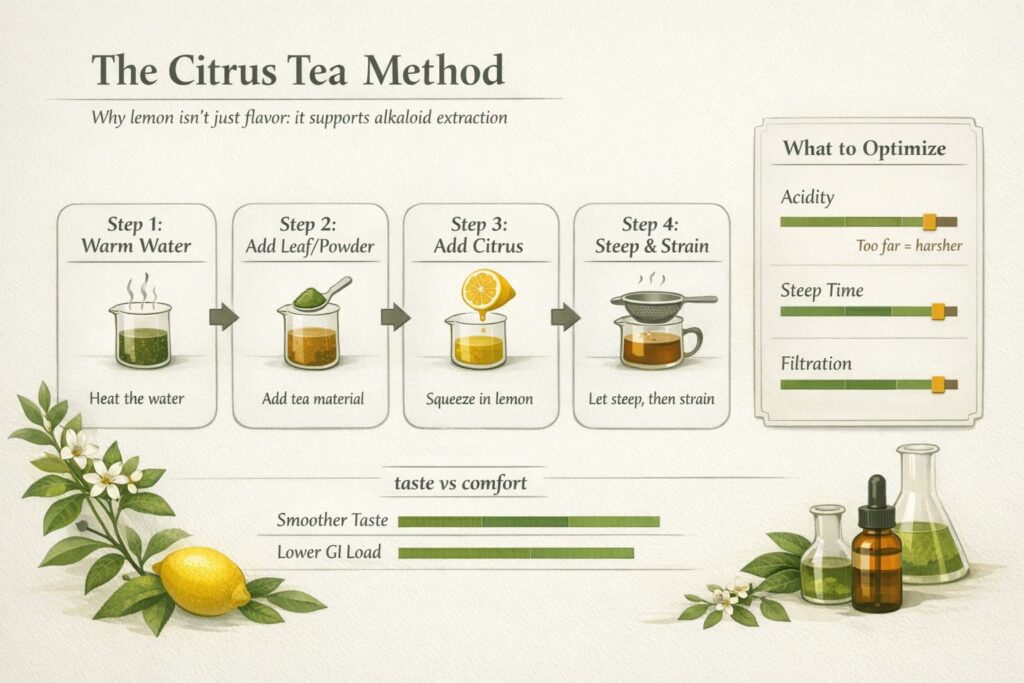
Many users casually add a squeeze of lemon to their kratom tea, assuming it merely masks the bitter flavor. In reality, this is basic chemistry at work. Mitragynine and its sister alkaloids are highly soluble in acidic environments. By introducing citric acid (lemon juice, lime, or apple cider vinegar) to your kratom powder before adding hot water, you lower the pH and break down the cell walls of the plant matter.
This pH-optimized extraction pulls the alkaloids into the water rapidly. When you strain the leftover plant sludge away, you are left with a highly potent, fast-acting tea that is remarkably gentle on the stomach.
The “Whole Leaf” Defense
With the massive surge in extract popularity, you might wonder why anyone still uses traditional powder. The answer lies in the “Entourage Effect.” Kratom contains over 40 distinct alkaloids, not just mitragynine. While pure extracts offer surgical precision and undeniable convenience, many purists argue that consuming the whole leaf provides a more balanced, holistic effect. The minor alkaloids work synergistically to round out the experience, preventing the sudden “peaks and crashes” sometimes associated with isolated extracts.

How Food Influences Kratom Effects
One of the most overlooked aspects of learning how to take kratom is understanding how food influences absorption and onset. Meal timing can significantly affect how quickly alkaloids become available for absorption and how comfortably they are tolerated.
Many consumers report a faster onset when kratom is taken on an empty stomach because fewer digestive processes compete for absorption. However, this approach may also increase the likelihood of stomach discomfort in sensitive individuals.
Taking kratom after a light meal may produce a slower onset while improving digestive comfort. Heavier meals, particularly those high in fat, may delay absorption further, extending the time before noticeable effects occur.
Rather than following a universal recommendation, consumers should observe how their bodies respond under different conditions while maintaining consistent serving sizes and hydration practices.
The “Safety First” Protocol: Contextualizing Risk
It is impossible to discuss kratom consumption without addressing the safety concerns that dominate top-tier medical websites. High-fear queries regarding “liver damage” and severe side effects are common, but they rarely provide nuanced context.
Here is the objective data: while hepatotoxicity (liver damage) is a documented risk, its clinical prevalence remains statistically rare. When systematic tracking is applied, these adverse events are overwhelmingly tied to either severely adulterated products, massive prolonged overdosing, or users with specific, pre-existing liver conditions.
To safely optimize your experience, adopt this three-pillar protocol:
- Hydration is Non-Negotiable: Kratom is inherently dehydrating. Most minor side effects (headaches, nausea, dizziness) stem directly from inadequate water intake during consumption.
- Strict Sourcing: The highest risk factor in kratom consumption is heavy metal contamination and adulterants. Always buy from vendors like Kratom-Online, who source directly from trusted Southeast Asian farms and utilize third-party lab testing.
- Respect the Dose: Establish a strict ceiling for your daily intake. Finding the proper kratom dosage for beginners—and strictly adhering to it—prevents tolerance buildup and protects your hepatic system from having to process excessive plant matter.
How to Choose the Right Kratom Product
Choosing the appropriate kratom product begins with understanding your priorities rather than assuming one format is inherently superior. Beginners often prefer capsules because they simplify serving consistency and eliminate the bitterness associated with raw powder. More experienced consumers may appreciate powders for their flexibility or teas for improved digestive comfort.
Extracts and tinctures provide concentrated alternatives for consumers seeking smaller serving volumes or greater convenience, but these products require careful attention to potency and manufacturer guidance. Reading product descriptions alongside laboratory reports helps consumers compare formulations more accurately.
Consumers should also evaluate practical considerations such as preparation time, portability, storage requirements, and overall lifestyle compatibility when selecting a product. Matching the product format to everyday routines often leads to a more consistent and satisfying experience.
How Product Quality Affects Your Experience
Regardless of how you take kratom, product quality remains one of the most important determinants of consistency. Freshly processed botanical material that has been properly stored and independently tested is more likely to provide reliable alkaloid profiles than products with limited sourcing information or outdated laboratory documentation.
When evaluating products, look for vendors that provide batch-specific Certificates of Analysis (COAs), contaminant screening, alkaloid verification, and transparent sourcing information. These objective quality indicators offer substantially greater value than marketing terms alone.
Direct relationships with experienced Southeast Asian farming communities can further improve consistency by providing greater traceability from cultivation through final packaging. Combined with good manufacturing practices and independent laboratory verification, transparent sourcing helps consumers make more informed purchasing decisions.
Common Mistakes When Taking Kratom
Learning how to take kratom also means understanding the mistakes that commonly reduce product satisfaction or create avoidable discomfort. Many negative experiences result from preparation or purchasing decisions rather than the botanical itself.
Some of the most common mistakes include:
- Taking additional servings before allowing enough time for the initial serving to take effect.
- Choosing products based solely on marketing names instead of reviewing Certificates of Analysis (COAs).
- Failing to stay adequately hydrated throughout the day.
- Using highly concentrated extracts without understanding their potency compared to whole-leaf powder.
- Improperly storing kratom in warm, humid, or sunlit environments that may reduce long-term product quality.
Avoiding these simple mistakes helps create a more consistent, predictable, and informed experience regardless of which consumption method you choose.
The Decision Matrix: Which Method Fits Your Lifestyle?
Your ideal consumption method depends entirely on what you value most: speed, comfort, or full-spectrum benefits.
- The Connoisseur (Optimized Tea): Best for users who want fast onset and zero stomach discomfort. You are willing to spend 15 minutes brewing a pH-balanced tea and straining the plant matter. You get the whole-leaf entourage effect without the bloating.
- The Efficiency Seeker (Extracts & Tablets): Best for busy professionals or travelers. You value precise dosing and convenience above all else. You avoid the taste and mess entirely, relying on modern extraction science.
- The Traditionalist (Powder & Capsules): Best for those who want the most cost-effective solution. You don’t mind the slower onset of capsules or have mastered a reliable Toss & Wash technique. You prioritize raw, unadulterated plant material.
Responsible Kratom Consumption Practices
Responsible kratom consumption extends beyond choosing the right product. Long-term consistency is supported by informed purchasing decisions, careful preparation, moderation, and ongoing education.
Developing a consistent routine may include:
- Using the same measuring method for each serving.
- Staying hydrated throughout the day.
- Allowing adequate time before considering additional servings.
- Reading updated laboratory reports for each batch whenever available.
- Purchasing from vendors that prioritize transparency and independent testing.
These practices encourage greater consistency while helping consumers better understand how different preparation methods, products, and routines influence their individual experiences.
Frequently Asked Questions
Why does kratom powder sometimes upset my stomach?
The human body struggles to break down large amounts of raw, insoluble plant fiber. If you experience GI distress, you are likely consuming too much raw powder. Switching to strained tea, where the active alkaloids are infused into water and the fiber is discarded, usually resolves this instantly.
Are kratom extracts safer than whole-leaf powder?
Safety depends on quality control and your personal discipline. Extracts eliminate the indigestible plant matter, which is easier on the stomach. However, because they are highly concentrated, they carry a higher risk of rapidly increasing your tolerance if you don’t carefully measure your intake.
Does the consumption method change how long the effects last?
Absolutely. Liquid extracts and strained teas absorb rapidly, resulting in a quicker onset but a slightly shorter duration. Capsules must first dissolve in the stomach, leading to a delayed onset (sometimes up to 45 minutes) but a longer, more gradual release of effects.
The Foundation of a Better Experience
No matter which consumption method you choose—whether you’re meticulously brewing a pH-balanced tea or relying on the efficiency of modern tablets—the experience relies entirely on the quality of the botanical itself. Techniques and extraction tricks cannot fix a subpar product.
By eliminating the middlemen and sourcing directly from traditional, organic Southeast Asian farms, Kratom-Online ensures that the raw materials driving your wellness routine are fresh, pure, and fully transparent. When you start with premium, verified Mitragyna speciosa, optimizing your consumption goes from a game of chance to a reliable science.