
Kratom Strain Names Explained: Decoding Market Terminology & Processing Methods
If you have spent more than five minutes browsing kratom products online, you have likely hit a wall of confusing terminology. Between “Super Green Malay,” “Red Bali,” and “White Maeng Da,” the options seem endless and highly specific. But as a conscientious buyer navigating the market in 2026, you deserve to know a poorly kept industry secret: the kratom naming landscape is often a marketing Wild West where botanical reality and commercial branding intentionally blur.
When you are trying to evaluate options and confidently choose the right product, generic strain charts that just repeat vendor marketing aren’t enough. You need to understand the synthetic nature of these labels. By deconstructing what these terms actually mean, you can bypass the hype, evaluate real quality markers, and finally know exactly what you are putting into your body.
What Are Kratom Strain Names?
Kratom strain names are commercial labels used to describe products derived from the Mitragyna speciosa tree. While these names often imply distinct botanical varieties, most commercial kratom products originate from the same species and are differentiated primarily by harvesting practices, drying techniques, oxidation, fermentation, blending, and branding.
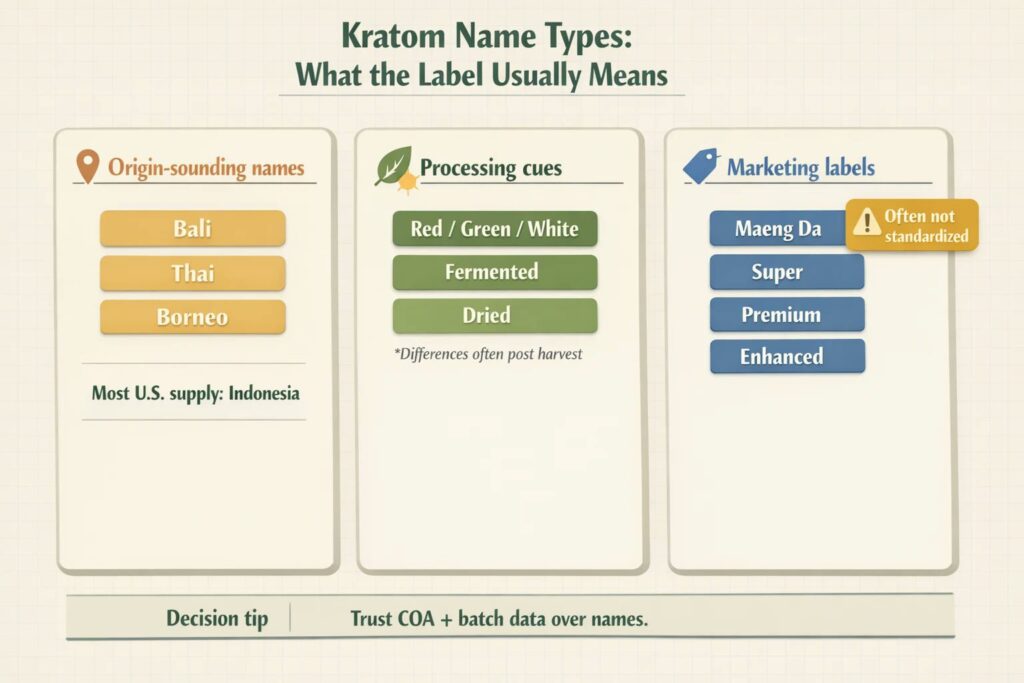
Modern kratom strain names generally combine three types of descriptors: color classifications (Red, Green, White, Yellow, or Gold), geographic references (such as Bali, Malay, Thai, or Borneo), and marketing modifiers including Super, Premium, Enhanced, or Maeng Da. Together, these descriptors communicate an expected alkaloid profile or user experience rather than indicating genetically unique cultivars.
Understanding these naming conventions helps consumers evaluate products based on measurable quality indicators instead of assuming every strain name represents a completely different plant.
How Kratom Gets Its Name
Most commercial kratom names are created using a combination of harvest characteristics, processing techniques, regional branding, and vendor-specific product positioning. Rather than reflecting botanical taxonomy, these names help differentiate products within a highly competitive marketplace.
For example, the color designation generally reflects the post-harvest drying and oxidation process, while geographic names frequently reference historical trading regions or traditional naming practices rather than the plant’s actual country of origin. Marketing descriptors such as “Premium” or “Super” often indicate additional processing or product selection rather than officially recognized botanical classifications.
Recognizing how kratom receives its commercial name allows buyers to focus on objective quality measures such as Certificates of Analysis (COAs), alkaloid percentages, processing transparency, and direct sourcing practices.
The “Webster” Definition: Separating Botanical Reality from Legal Myth
Many consumers entering the kratom evaluation phase immediately search for a reliable kratom definition webster style, looking for an authoritative, third-party explanation of what this plant actually is. This search for an objective baseline is usually driven by the legal gray areas and sensationalized headlines surrounding the botanical.
Perhaps the most common question stems from fear: what is narcotic, and does kratom fit that description?
When people search for definitions, they are often trying to reconcile kratom’s effects with known pharmaceuticals. In fact, search trend data shows users frequently looking up terms like “norcocaine” (a portmanteau attempting to map kratom onto traditional stimulants or opioids) to make sense of its unique dualism.
Here is the scientific reality in 2026: Kratom (Mitragyna speciosa) is not a legal narcotic under the Controlled Substances Act. Pharmacologically, its primary alkaloids act as mu-opioid receptor partial agonists. This means it interacts with the same receptors as some medical narcotics, which explains why it offers similar comfort and relief, but its chemical structure and safety profile are fundamentally different from fully synthetic or heavily refined opiates.
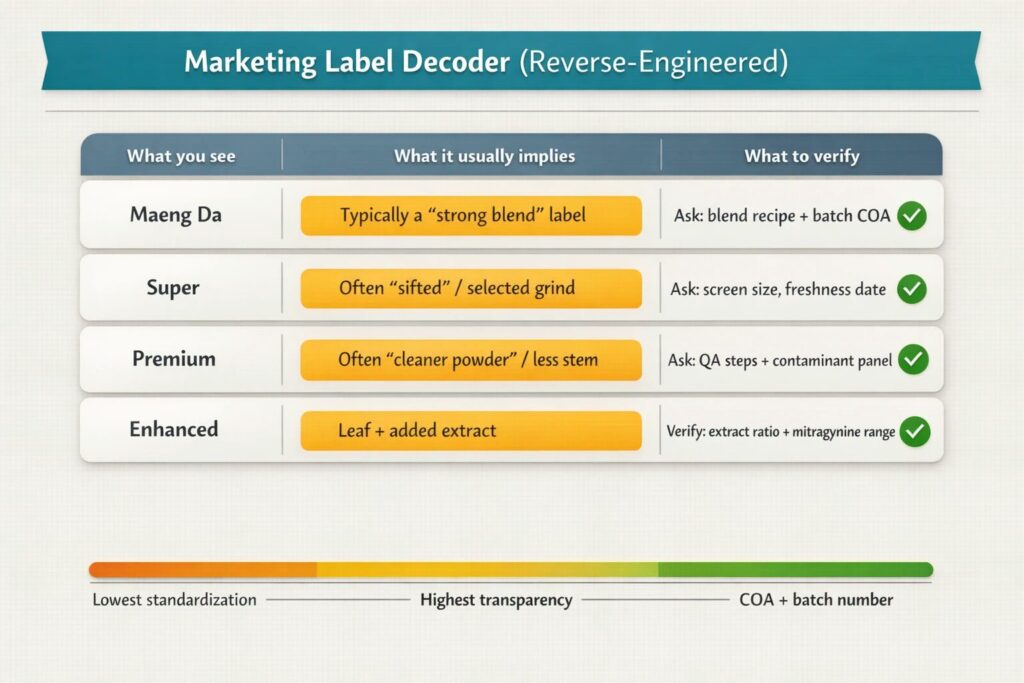
Understanding this distinction is the first step in protecting yourself as a consumer. Kratom is a distinct botanical, not a synthetic party drug. Evaluating it requires looking at distinct botanical markers rather than relying on inaccurate street terminology.
The Origin Illusion: Why Your “Thai” Kratom is Probably Indonesian
The most pervasive myth in the kratom industry is the idea that the geographic name on the bag represents where the plant was grown. If you buy “Green Thai” or “Red Borneo,” you naturally assume the leaf was harvested in Thailand or Borneo.
The trade data tells a completely different story. Today, over 95% of the kratom exported to the United States comes from Indonesia—specifically the Kapuas Hulu region of West Kalimantan. While Thailand finally legalized the medicinal export of kratom in 2018, it remains heavily restricted and incredibly rare in the general US consumer market.
So, what are you actually buying when you select a “strain”?
According to pivotal 2023 research by Huisman et al. (published in PMC10379209), there is zero genetic difference between a “Red Bali” tree and a “White Maeng Da” tree. The diverse effects you feel do not come from different plant species; they come entirely from post-harvest processing.
When you want to know what factors determine the quality of kratom, you should be looking at how the farm handles drying time, indoor vs. outdoor oxidation, fermentation processes, and UV exposure. A “Red” strain has simply been fermented in bags and dried under UV light to convert some of its mitragynine into 7-hydroxymitragynine. A “White” strain is typically dried indoors in the dark to preserve the stimulating alkaloids. The names are essentially recipes used by Indonesian farmers, not distinct genetic species.
Deconstructing “Maeng Da”: The Evolution of a Marketing Term
No term is more misunderstood than “Maeng Da.” Loosely translated from Thai slang as “pimp grade,” it originally referred to a specific agricultural grafting technique used in Thailand decades ago to create a hardier, higher-yielding tree.
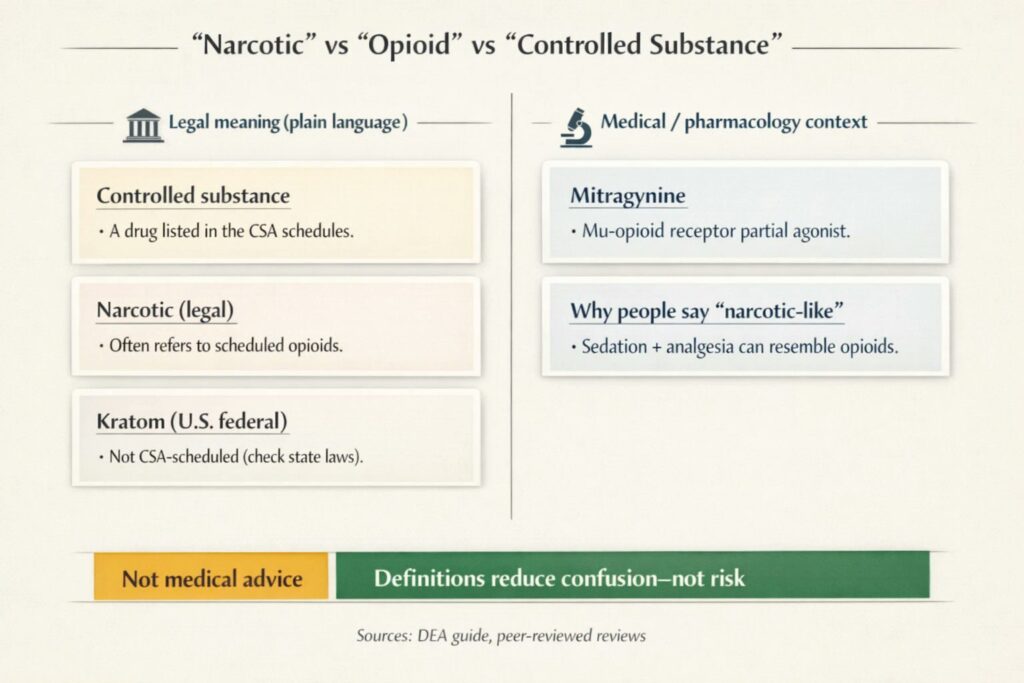
However, in the modern commercial market, “Maeng Da” has evolved into a generic marketing tag. When a vendor labels a product as Maeng Da today, they are signaling that this is their strongest, most robust blend. It is not a distinct strain; it is typically a proprietary mix of high-testing green and white vein powders designed to deliver a potent, standardized experience.
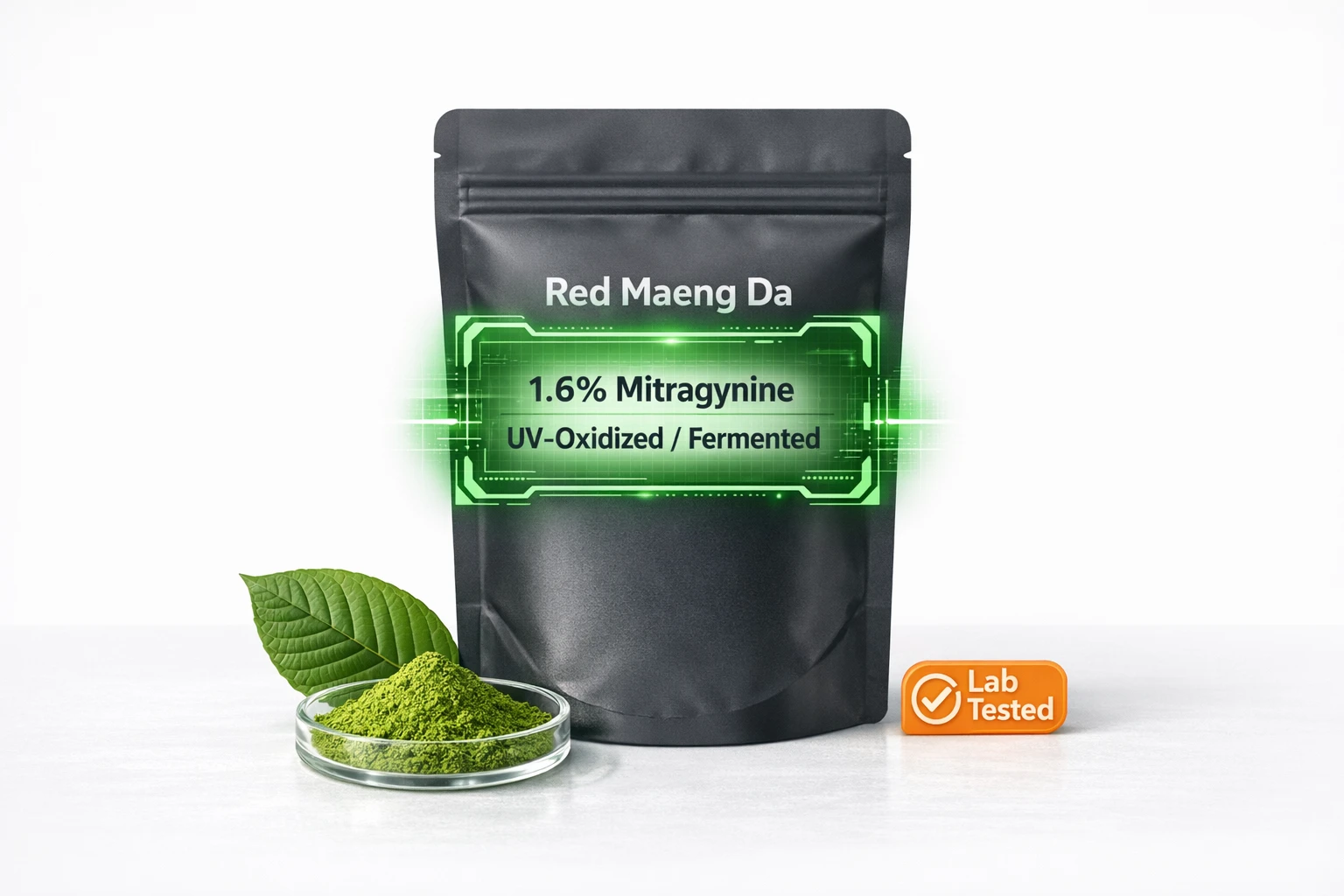
Because of this, looking at the mitragynine content in kratom powder percentage on a vendor’s Certificate of Analysis (COA) is a far better indicator of a Maeng Da’s actual strength than the name printed on the pouch.
The Dealer Strain Decoder: What “Super” and “Enhanced” Actually Mean
To navigate the market confidently, you need to be able to decode the modifiers vendors attach to their products. These terms often sound impressive but refer to very specific, and sometimes arbitrary, processing choices.
“Super” Kratom
When you see the word “Super” (as in Super Green Malay), it generally refers to the physical size of the leaves harvested or a specific sifting technique used during milling. Farmers select the largest, most mature leaves from the top of the canopy, which receive the most sunlight and consequently develop a richer alkaloid profile. It can also mean the powder has been sifted extra finely to remove all stem and vein material, resulting in a smoother, more vibrant green powder.
“Premium” Kratom
Similar to “Super,” the “Premium” label usually indicates a rigorous de-stemming process. Stems and veins contain different alkaloid ratios and can make the powder taste more bitter and feel grittier. Premium batches have had this material meticulously filtered out.
“Enhanced” Kratom
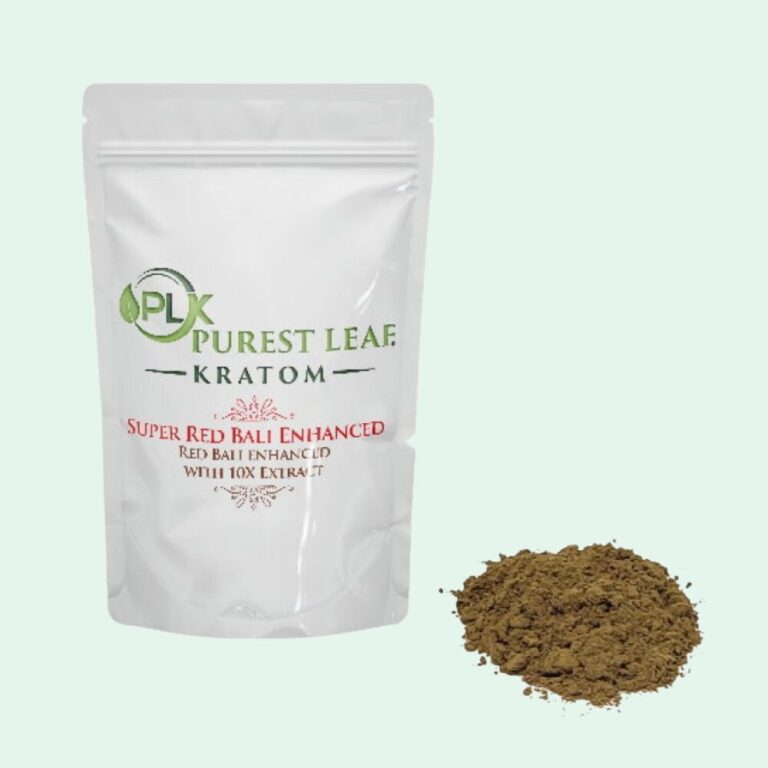
This is the one term that dictates a fundamental change to the product’s chemistry. Vendors create an enhanced kratom powder by taking standard leaf powder and physically blending it with a concentrated kratom extract. This dramatically spikes the alkaloid concentration, making it significantly more potent than any naturally grown leaf could ever be. Enhanced products are strictly for experienced users who have mapped out their exact tolerance levels.
Understanding Kratom Colors
One of the most recognizable components of kratom strain names is the color designation. Red, Green, White, Yellow, and Gold labels are widely used throughout the marketplace, yet these colors primarily describe processing methods rather than genetically different trees.
White vein products are generally processed to preserve higher levels of naturally occurring mitragynine through carefully controlled indoor drying. Green varieties typically use balanced drying techniques that maintain a broad alkaloid profile, while Red products commonly undergo additional oxidation or fermentation that changes the overall alkaloid composition. Yellow and Gold products often result from proprietary combinations of drying, fermentation, blending, or aging techniques developed by individual producers.
Understanding these processing-based color categories enables consumers to compare products based on production methods rather than assuming each color represents a separate botanical variety.
How Processing Creates Different Kratom Strains
Modern research increasingly demonstrates that post-harvest processing has a greater influence on commercial kratom strain names than plant genetics. Environmental conditions during drying, oxidation, curing, fermentation, and milling all contribute to the finished product’s appearance, aroma, alkaloid profile, and overall characteristics.
Indoor drying generally minimizes ultraviolet exposure, while controlled oxidation and fermentation gradually alter portions of the alkaloid profile. Differences in drying duration, temperature, humidity, and storage conditions further contribute to the diversity of commercial kratom products available today.
Because processing methods significantly influence the final product, knowledgeable consumers evaluate how the leaf was handled after harvest rather than assuming the commercial strain name alone predicts quality or consistency.
Understanding Kratom Alkaloid Profiles
Although commercial strain names receive most of the marketing attention, the alkaloid profile provides a far more objective method of comparing kratom products. Mitragynine typically serves as the primary indicator of potency, while 7-hydroxymitragynine and numerous minor alkaloids contribute to the overall chemical composition measured through laboratory analysis.
Post-harvest processing influences these alkaloid concentrations by altering oxidation and preserving or transforming naturally occurring compounds within the leaf. As a result, two products carrying different commercial names may exhibit similar laboratory profiles, while products sharing the same strain name may vary between harvests if processing methods differ.
Reviewing batch-specific Certificates of Analysis allows consumers to compare measurable alkaloid percentages instead of relying exclusively on descriptive product names or marketing terminology.
The Equivalency Matrix: Understanding the Stimulant-Sedative Spectrum
Because kratom is dose-dependent, its effects exist on a sliding scale. At lower volumes, the dominant alkaloids act as stimulants, providing clean energy and concentration. At higher volumes, the effects shift toward relaxation, physical comfort, and sedation.
Instead of relying on arbitrary names, modern consumers evaluate kratom through an equivalency framework based on processing colors:
- White Veins (Indoor Dried): The highest potential for clean energy. Best for morning use and physical motivation.
- Green Veins (Mixed Drying): The perfect middle ground. For example, a reliable green vein kratom for focus will balance physical comfort with sharp mental clarity without the jitters associated with heavy white veins.
- Red Veins (Fermented/UV Dried): The highest concentration of 7-hydroxymitragynine. Best for evening use, recovery, and deep physical relief. And while some users prefer external applications like mitragyna speciosa topicals for pain, traditional red powders remain the most direct way to access these relaxing alkaloids.
Vendor Transparency Checklist: How to Evaluate Beyond the Label
Knowing that strain names are mostly marketing recipes, how do you actually choose a high-quality product? You stop buying based on the front of the bag and start buying based on the data behind it.
The most trusted direct-source e-commerce platforms in the industry have moved away from hiding behind “secret recipes” and moved toward radical transparency.
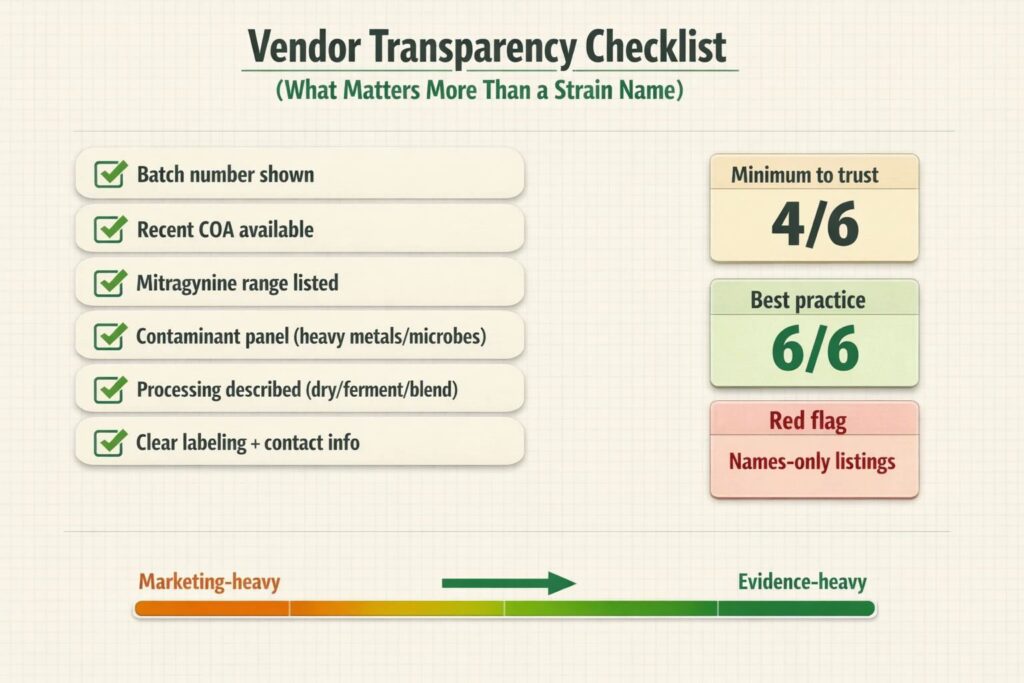
When evaluating a vendor in 2026, demand the following:
- Batch-Specific COAs: A Certificate of Analysis from a third-party laboratory should be available for the exact batch you are purchasing, not a generic test from three years ago. It must show exact mitragynine and 7-OH percentages.
- Heavy Metal & Pathogen Screening: Kratom grows in the jungle. Thorough testing for salmonella, E. coli, lead, and arsenic is non-negotiable.
- Direct Sourcing: Vendors who partner directly with Southeast Asian farms eliminate middlemen, ensuring the leaf doesn’t degrade in stagnant warehouse storage for months before reaching you.
- Clear Labeling: Look for lot numbers, packaging dates, and clear usage guidelines that align with American Kratom Association (AKA) GMP standards.
How to Read Kratom Product Labels
Once you understand that commercial strain names are primarily marketing descriptors, the next step is learning how to evaluate the information printed on the package. Product labels provide far more valuable information than the strain name alone when they include transparent sourcing and laboratory data.
A high-quality kratom label should clearly identify the product name, batch or lot number, packaging or production date, recommended serving information, supplier details, and references to third-party Certificates of Analysis (COAs). Products manufactured under American Kratom Association (AKA) Good Manufacturing Practice (GMP) standards often provide additional confidence by documenting production consistency and quality assurance procedures.
Consumers should also compare alkaloid percentages, testing dates, and laboratory reports whenever possible rather than relying exclusively on marketing terminology. Transparent labeling allows buyers to make informed comparisons across multiple vendors while verifying product consistency between batches.
Choosing the Right Kratom Product
Selecting a kratom product becomes significantly easier when purchasing decisions are based on measurable quality indicators rather than commercial strain names alone. While names such as “Super Green Malay” or “Red Maeng Da” may provide general expectations regarding processing style, they should not replace objective evaluation criteria.
When comparing products, prioritize suppliers that publish recent batch-specific Certificates of Analysis, disclose their sourcing practices, explain their processing methods, and maintain transparent manufacturing standards. Direct relationships with experienced Southeast Asian farms, routine laboratory testing, and clearly documented quality control procedures generally provide stronger indicators of consistency than creative product names.
Evaluating these quality markers alongside commercial strain names creates a more reliable framework for selecting products that meet your expectations while minimizing uncertainty between batches.
Common Myths About Kratom Strains
Many long-standing assumptions about kratom strain names continue to circulate despite growing scientific evidence demonstrating otherwise. Understanding these misconceptions helps consumers interpret product labels more accurately while avoiding marketing-driven confusion.
One of the most common myths is that every commercial strain represents a genetically unique variety of Mitragyna speciosa. Current research instead indicates that most commercial differences originate from post-harvest processing rather than separate botanical species.
Another misconception is that geographic names always identify the country where the leaf was grown. In reality, many products carrying names such as Bali, Thai, or Malay are sourced from Indonesian farms while using historical regional terminology as commercial identifiers.
Similarly, terms such as “Maeng Da,” “Premium,” and “Super” are not officially recognized botanical classifications. They function primarily as marketing descriptors that should always be evaluated alongside laboratory testing, sourcing transparency, and standardized alkaloid measurements.
Frequently Asked Questions (FAQ)
Are different kratom strains actually different plants?
No. Genetic testing has proven that all commercial kratom comes from the same Mitragyna speciosa trees. The differences in effects, color, and aroma are entirely the result of how the farmer dries, oxidizes, and ferments the leaves after harvest.
If Maeng Da isn’t a real strain, why does it feel stronger?
Maeng Da is treated by reputable vendors as their premium flagship blend. To maintain consistency, they carefully mix high-testing batches (usually a blend of greens and whites) to ensure the total alkaloid content hits a specific, potent benchmark every time.
What is the difference between an extract and enhanced kratom?
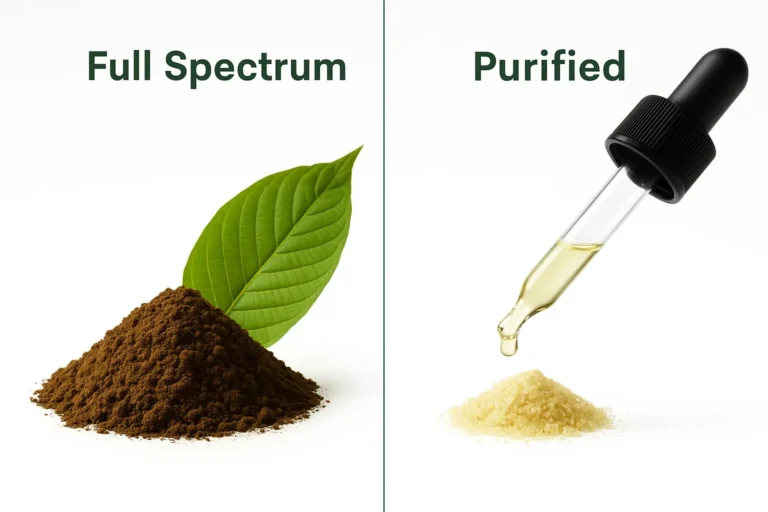
An extract is a highly concentrated form of kratom alkaloids pulled from the leaf matter using solvents, resulting in a liquid, resin, or pure isolate. Enhanced kratom is standard crushed leaf powder that has had some of this concentrated extract thoroughly mixed back into it to boost its overall potency.
Why do some vendors use names that aren’t real locations?
Because kratom naming conventions are not regulated by botanical organizations, vendors use names as a shorthand to describe the effect profile to the customer. A “Red Elephant” might indicate large leaves processed for heavy relaxation, even if no elephants were involved and the leaf came from the exact same farm as their “Green Malay.”
Making an Informed Decision
Navigating the kratom market doesn’t have to feel like a guessing game. By understanding that “strains” are actually processing recipes and that terms like “Maeng Da” are markers of blended strength rather than distinct genetics, you take control of your purchasing process.
The ultimate equalizer in the kratom industry is transparency. The best way to guarantee you are getting pure, potent, and safe Mitragyna speciosa is to buy from a source that prioritizes direct farm relationships, rigorous third-party batch testing, and clear, honest product education over flashy marketing names.
When you shift your focus from the name on the label to the data in the lab results, you guarantee a consistent, premium experience every single time.