
The Global Kratom Community: Culture, Advocacy & Ethical Sourcing Explained
If you are researching kratom today, you have likely moved past the basic “what is it” stage. You know the plant, you understand the alkaloids, and you are actively weighing your options. But at this critical juncture in your evaluation, a deeper question emerges: Does this community align with my values?
The kratom search landscape is often polarized. On one side, you find dry legislative updates; on the other, aggressive sales pitches. Yet, as we navigate 2026, a massive shift has occurred. Consumers are no longer just buying a botanical—they are looking for social proof, ethical sourcing, and a movement that reflects their own commitment to wellness, recovery, or harm reduction.
Understanding the human element—from the indigenous farmers in Indonesia to the sober-curious culture in the US—is essential to making an informed, confident decision about integrating kratom into your lifestyle.
What Is the Kratom Community?
The kratom community is a global network of individuals and organizations connected through the cultivation, research, education, advocacy, regulation, and responsible use of Mitragyna speciosa. While consumer interest often begins with the plant itself, many people eventually become interested in the broader ecosystem that supports ethical sourcing, product quality, and scientific understanding.
This community includes Southeast Asian farming families, manufacturers, laboratory professionals, consumer advocacy groups, wellness communities, researchers, legislators, and everyday consumers seeking reliable information. Together, these groups contribute to ongoing conversations surrounding sustainability, public policy, quality standards, and responsible access.
Rather than existing as a single organization, the kratom community represents an evolving global network united by education, transparency, and continued dialogue about botanical products and consumer protection.
The History of Kratom Culture
Long before kratom became widely recognized internationally, Mitragyna speciosa was integrated into the daily lives of communities throughout Southeast Asia. For generations, local populations cultivated and harvested kratom as part of traditional agricultural practices, passing cultivation knowledge from one generation to the next.
As international interest expanded, kratom evolved from a regional botanical into a globally traded commodity. This transformation introduced new opportunities for farming communities while also creating challenges related to sustainability, quality control, supply chain transparency, and fair compensation.
Understanding this cultural history provides important context for today’s conversations surrounding ethical sourcing, consumer education, and industry standards. Modern buyers increasingly recognize that every purchase connects them to a much larger agricultural and cultural ecosystem.
The Livelihood Silo: Ethical Sourcing and the Indonesian Heritage
Every conversation about kratom must begin at its origin. When you purchase a botanical product, you are voting with your dollars on global supply chain ethics.
For generations, the Dayak indigenous populations of West Kalimantan, Indonesia, have cultivated Mitragyna speciosa. What was once a localized traditional practice has transformed into a critical economic pillar for these farming communities. However, the international boom brought middlemen, opaque sourcing practices, and exploitative pricing models that often cut the actual cultivators out of the profits.
Today, making an informed choice means looking for a “vine-to-vessel” approach. Direct-sourcing models prioritize organic cultivation methods and ensure that farmers receive fair compensation. When you evaluate a vendor, look beyond the packaging. Vendors who eliminate intermediaries not only secure higher quality and fresher products for you but also preserve the livelihood of Southeast Asian agricultural communities facing the constant threat of export bans and regulatory hurdles.
Why Ethical Sourcing Matters
Ethical sourcing extends beyond paying fair prices for agricultural products. It encompasses long-term partnerships with growers, environmentally responsible cultivation methods, transparent supply chains, and ongoing investments in farming communities.
Responsible sourcing practices help improve product consistency by allowing producers to monitor cultivation methods, harvest timing, drying conditions, and post-harvest processing more closely. At the same time, these partnerships support local economies that have cultivated Mitragyna speciosa for generations.
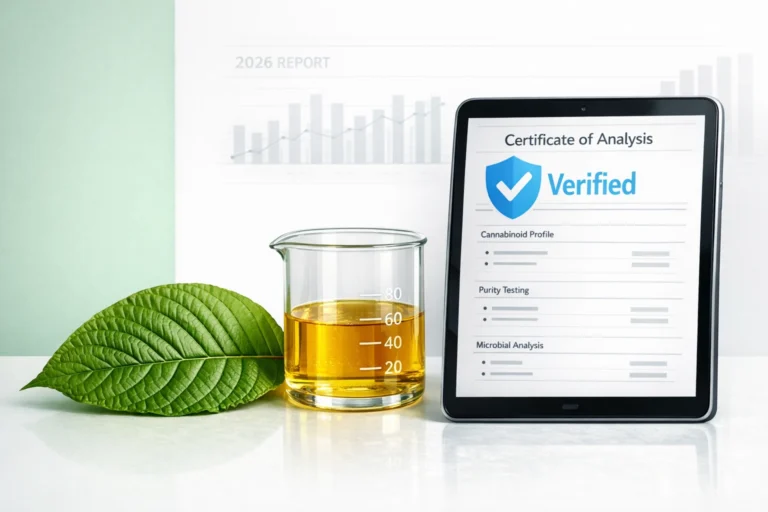
Consumers increasingly seek vendors who demonstrate accountability through direct farm relationships, independent laboratory testing, Good Manufacturing Practices (GMP), and clear communication regarding where their products originate. Rather than relying solely on marketing claims, these objective indicators allow buyers to make informed purchasing decisions based on documented evidence.
As awareness of sustainability continues to grow, ethical sourcing has become one of the defining characteristics separating transparent kratom companies from businesses that provide little visibility into their supply chains.
The Recovery Silo: Navigating Sobriety and Human Impact
Perhaps the most profound human element of the modern kratom community is its intersection with sobriety and recovery. According to recent estimates by advocacy groups, approximately 70% of kratom consumers within recovery circles use the plant to reduce or transition away from harsh opioids.
Yet, this creates a complex dilemma. Traditional 12-step programs frequently view any substance use—including botanical alternatives—as a “relapse.” This leaves a massive segment of the community seeking validation and a values-first way to manage their personal recovery.
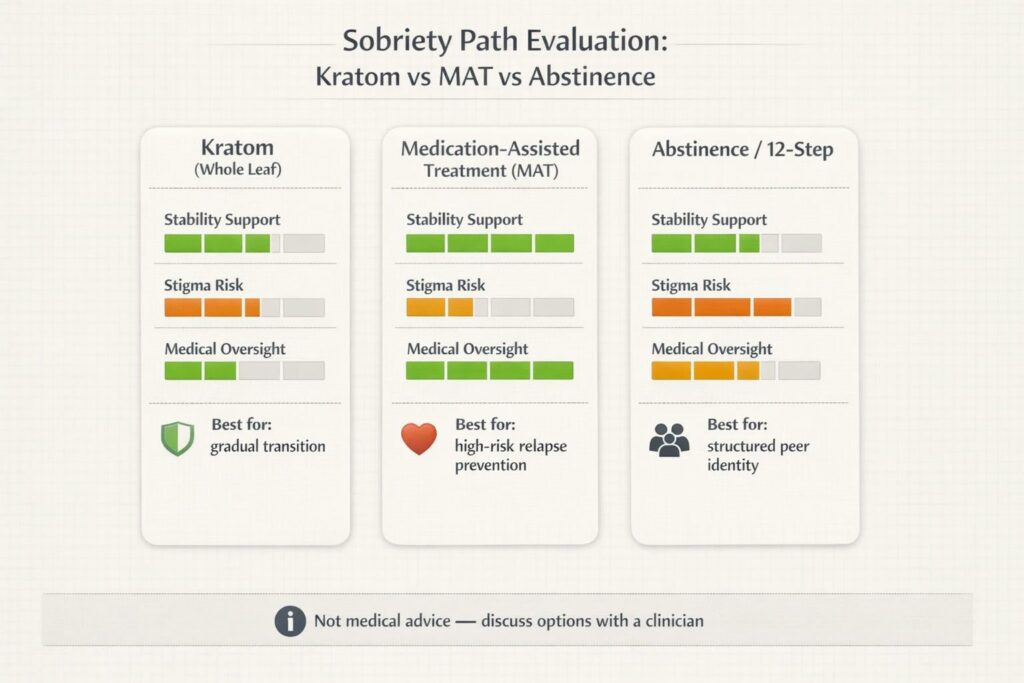
For many, the decision comes down to comparing Medication-Assisted Treatment (MAT) like Methadone or Buprenorphine against abstinence, or utilizing kratom as a harm-reduction tool. Those seeking to rebuild their routines often turn to a reliable green vein kratom for focus to manage daily fatigue without the severe numbing effects of traditional pharmaceuticals.
Understanding Harm Reduction
Harm reduction is a public health approach that seeks to minimize potential negative outcomes while recognizing that individuals follow different paths toward improved health and well-being. Within the kratom community, discussions surrounding harm reduction often focus on education, product quality, informed decision-making, and responsible sourcing rather than promoting a single universal solution.
Supporters frequently emphasize transparency, laboratory testing, and consumer education as important components of responsible product selection. Regardless of an individual’s personal goals, access to accurate information allows consumers to evaluate products with greater confidence while understanding both potential benefits and limitations.
This emphasis on education has become one of the defining characteristics of many modern kratom advocacy organizations and consumer communities.
The Sobriety Evaluation Framework
When weighing your options, consider these three pillars:
- Stability Support: Does the option allow you to maintain a steady job, relationships, and emotional regulation?
- Stigma Risk: Are you prepared to navigate the social friction of traditional 12-step pushback, or do you need a community that specifically embraces harm reduction?
- Autonomy vs. Oversight: MAT requires strict clinic schedules and medical oversight. Botanical alternatives offer personal autonomy but require strict self-discipline and reliance on transparent, lab-tested vendors.
The Advocacy Deep-Dive: Navigating the Legislative Landscape
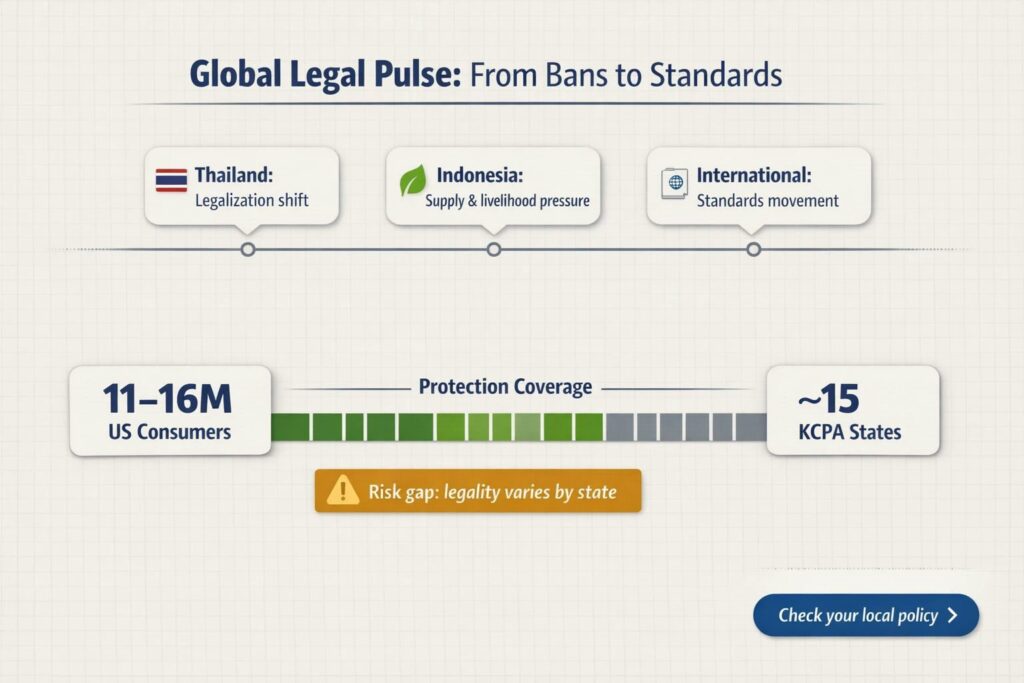
As of early 2026, there are an estimated 11 to 16 million kratom consumers in the United States. Despite this massive footprint, only about 15 states have officially passed the Kratom Consumer Protection Act (KCPA).
The Global Legal Pulse and The Risk Gap
This disparity creates a significant “Risk Gap.” While countries like Thailand have moved toward legalization and integration, US protections remain fragmented. Consumers are left navigating a patchwork of local ordinances and state laws.
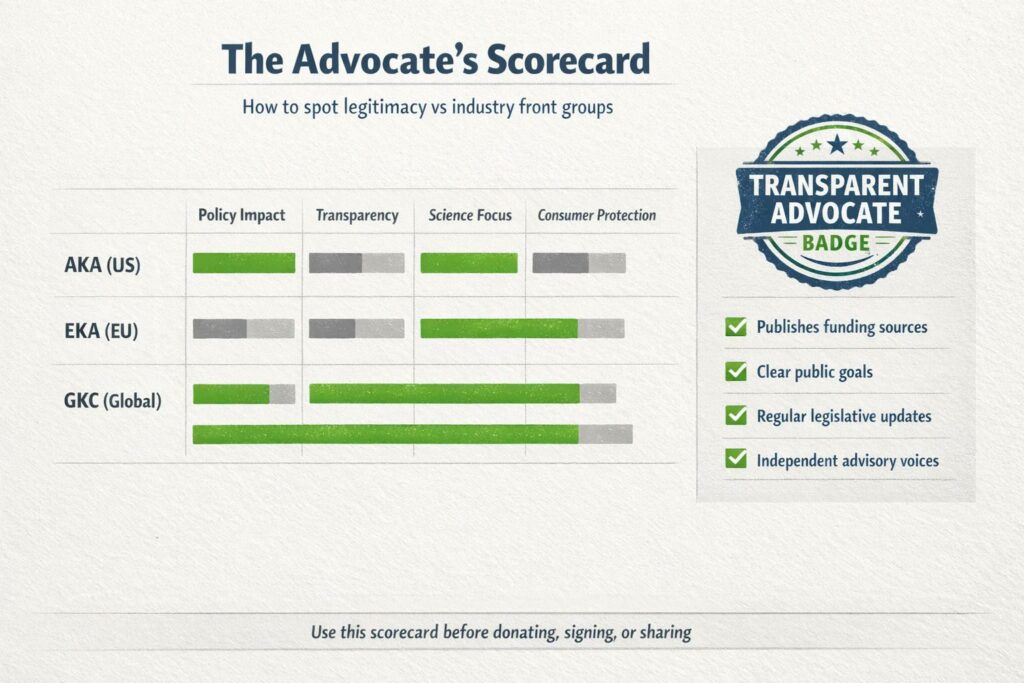
Closing this gap requires active advocacy, but choosing who to support can be overwhelming. Let’s look at the “Advocate’s Scorecard.”
How Advocacy Protects Consumers
Consumer advocacy extends beyond legislative campaigns. Advocacy organizations often work to encourage product testing, responsible manufacturing, accurate labeling, consumer education, and evidence-based policymaking. These efforts help improve product standards while giving consumers access to more reliable information about the botanical marketplace.
Organizations involved in advocacy may also collaborate with researchers, policymakers, industry stakeholders, and consumers to promote quality standards that protect both public health and responsible market participation. As the industry continues to mature, these collaborative efforts contribute to stronger quality assurance and greater transparency across the supply chain.
The Advocate’s Scorecard
- American Kratom Association (AKA): The undeniable heavyweight in US legislation. They drive KCPA state-level wins. However, their focus is highly legislative and sometimes transactional, lacking the deeper cultural storytelling of the movement.
- European Kratom Alliance (EKA): A science-first organization focusing on harm reduction across the fragmented EU market. Excellent for research, though regionally limited.
- Global Kratom Coalition (GKC): Focused heavily on international standards and holding vendors accountable to strict manufacturing processes.
The Internal “Civil War”: Whole Leaf vs. 7-OH
Sophisticated users must also navigate the industry’s current internal conflict: the split between whole-leaf traditionalists and 7-Hydroxymitragynine (7-OH) extract manufacturers. Recent data (including 2024 NIDA insights) highlights the tension between preserving the plant in its natural, self-limiting state versus isolating specific, highly potent alkaloids.
For those stepping into the extract market, education is paramount. Whether you are evaluating a potent kratom extract powder or looking into a pre-measured mit 150 kratom extract shot, understanding concentration levels and demanding third-party testing is non-negotiable for safe consumption.
The Rise of Kratom Wellness Communities
Alongside legislative advocacy, a growing number of wellness-focused communities have emerged around kratom education. Online forums, educational websites, community organizations, and regional events allow consumers to exchange information about cultivation, sourcing, quality standards, laboratory testing, and responsible purchasing practices.
These communities increasingly emphasize transparency over promotion, encouraging consumers to compare Certificates of Analysis, understand supply chains, and evaluate vendors using measurable quality standards. This educational approach reflects the broader shift within the kratom community toward evidence-based decision-making and long-term consumer protection.
The Social Hub: Kratom Bars and the Sober-Curious Culture
The community isn’t just surviving online; it is thriving in physical spaces. Florida is currently the “Ground Zero” of this cultural shift, witnessing a staggering 1,000% increase in Kava and Kratom bars over the last decade—growing from a handful of locations to over 100 dedicated social hubs.
This boom perfectly aligns with the global “sober-curious” movement. Adults are actively seeking out third spaces that don’t revolve around alcohol.
These environments are normalizing botanical alternatives. Instead of standard cocktails, patrons are finding new ways to connect. For instance, people looking for alcohol-free ways to enjoy nightlife are turning to discreet party supplies kratom capsules or sharing a kratom chocolate bar as a social icebreaker. This cultural integration proves the movement is about human connection, harm reduction, and wellness—not just consumption.
How to Identify Responsible Vendors
One of the most important decisions consumers make is selecting a trustworthy supplier. Responsible vendors distinguish themselves through transparency rather than marketing claims alone.
When evaluating a vendor, consider whether they provide:
- Batch-specific Certificates of Analysis (COAs) from independent laboratories.
- Clear information about direct sourcing and farm partnerships.
- Good Manufacturing Practice (GMP) compliance where applicable.
- Heavy metal, microbial, and contaminant screening.
- Lot numbers and production dates for traceability.
- Educational resources explaining cultivation, processing, and quality standards.
Companies that openly publish this information demonstrate accountability while allowing consumers to verify product quality independently rather than relying solely on promotional messaging.
The Future of the Kratom Industry
The global kratom industry continues to evolve as scientific research, consumer education, agricultural innovation, and regulatory discussions expand. Future development will likely focus on stronger quality assurance, standardized laboratory testing, improved manufacturing practices, and increased transparency throughout international supply chains.
Researchers continue investigating alkaloid chemistry, cultivation methods, processing techniques, and quality standards that may improve consistency across commercial products. At the same time, advocacy organizations are working toward regulatory frameworks that protect consumers while supporting responsible access and ethical commerce.
As the industry matures, consumers are increasingly rewarding companies that invest in sustainable farming partnerships, independent laboratory verification, transparent sourcing, and educational initiatives rather than relying primarily on branding or marketing language.
Common Myths About the Kratom Community
The continued growth of the kratom community has also led to several misconceptions that can make it difficult for consumers to evaluate information objectively.
Myth: The kratom community only exists online.
Reality: The community includes farming cooperatives, advocacy organizations, researchers, laboratories, manufacturers, retailers, wellness groups, educational events, and local botanical cafés across multiple countries.
Myth: Every vendor directly supports farming communities.
Reality: Supply chains vary considerably. Some businesses maintain direct farm partnerships, while others purchase through multiple intermediaries with limited sourcing transparency.
Myth: Advocacy organizations simply promote kratom.
Reality: Many advocacy groups focus on consumer protection, scientific research, responsible regulation, product quality standards, and educational outreach alongside legislative efforts.
Myth: All kratom consumers share the same goals.
Reality: Individuals participate in the community for many different reasons, including botanical interest, wellness, education, research, consumer advocacy, and responsible purchasing.
FAQ: Addressing Your Evaluation Concerns
How do I know my purchase actually supports ethical farming?
Ethical alignment starts with transparency. Look for vendors who explicitly detail their direct relationships with Southeast Asian farms. Investigating a brand’s core values—such as the krtmonline commitment to eliminating middlemen and prioritizing organic cultivation—is the best way to verify that your purchase empowers indigenous farmers rather than opportunistic brokers.
Is kratom considered a “relapse” if I am in recovery?
This depends entirely on your personal framework and the community you choose. Traditional abstinence-only models may view it as such, but the growing harm-reduction community views kratom as a valid, life-saving stepping stone. It is crucial to consult with progressive addiction specialists who understand MAT and botanical alternatives to make the right choice for your stability.
What is the real difference in safety between whole leaf and extracts?
Whole leaf powder contains a full spectrum of over 40 alkaloids that work synergistically, often producing a self-limiting effect (taking too much usually results in mild nausea, preventing dangerous overconsumption). Extracts, particularly those isolating 7-OH, are highly concentrated. While excellent for experienced users needing potent relief, they require strict adherence to dosing guidelines and a higher level of personal responsibility.
Your Next Steps in the Journey
You are no longer just evaluating a product; you are choosing how to participate in a global movement. Your decisions around sourcing, advocacy, and community engagement shape the future of this botanical.
If you value transparency, ethical direct-to-farm sourcing, and uncompromising lab testing, it’s time to align with a platform that shares those standards. Explore our carefully curated, lab-verified product ecosystem to find the exact strain or extract that supports your personal wellness goals with complete confidence.