
Kratom Safety Guide: Responsible Use, Dosage & Harm Reduction
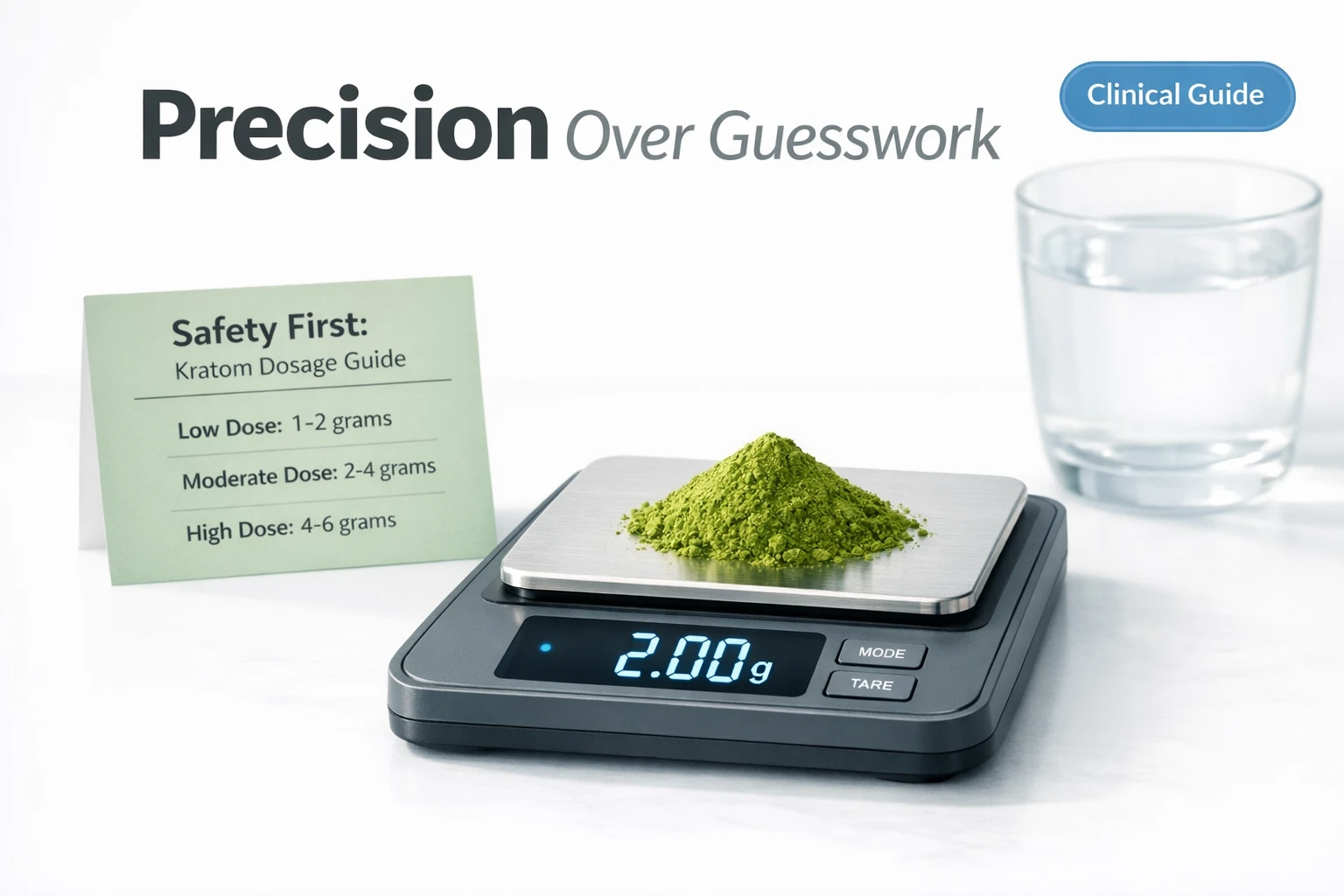
If you are researching kratom in 2026, you have likely run into a frustrating roadblock. On one side of the internet, authoritative medical sites categorically dismiss the plant, offering zero actionable guidance for active users. On the other side, community forums and vendor blogs casually recommend dosages without acknowledging the real physiological risks.
You aren’t looking for blanket warnings or overly optimistic marketing—you are looking for a clinical harm reduction model. You want to know exactly how to manage your routine, avoid adverse effects, and make informed decisions about your botanical wellness.
At Kratom-Online, we believe transparency is the only path forward. By marrying the practical utility of community dosage guides with hard clinical data, this guide provides the foundational safety protocols you need to interact with Mitragyna speciosa responsibly.
What Is Kratom Safety?
Kratom safety refers to the responsible practices that help consumers minimize avoidable risks while using Mitragyna speciosa. Rather than focusing on a single dosage recommendation, kratom safety encompasses accurate measurement, product quality, laboratory verification, serving frequency, hydration, awareness of potential interactions, and informed purchasing decisions.
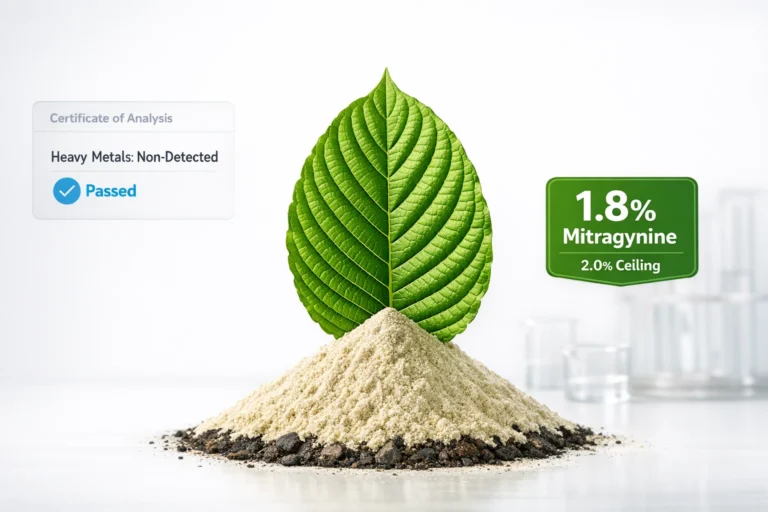
Responsible use also begins before the first serving. Choosing products from transparent vendors that provide batch-specific Certificates of Analysis (COAs), contaminant testing, and clear product labeling gives consumers a stronger foundation for evaluating quality and consistency.
Because individual responses vary based on body weight, metabolism, product composition, and serving size, there is no universal protocol that applies equally to everyone. Understanding these variables helps consumers make gradual, informed adjustments rather than relying on trial and error.
The Pharmacology of Safety: Why Precision Measurement Matters
Before we even discuss specific strains or product types, we have to address the single biggest driver of accidental adverse effects: measurement error.
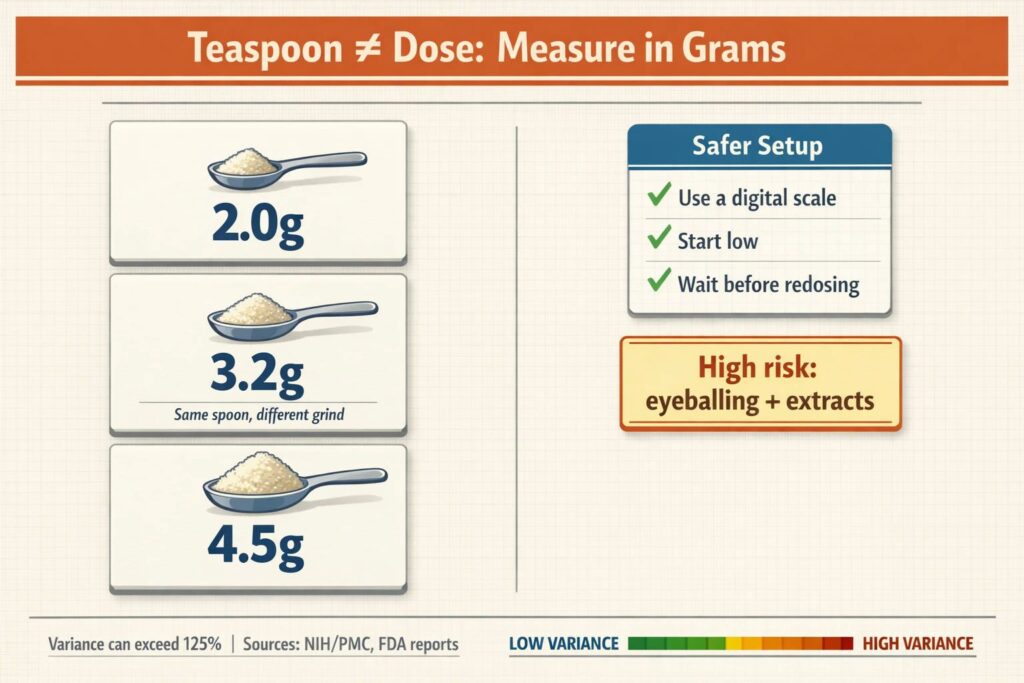
For years, users have relied on the “level teaspoon” method. However, recent analyses reveal that a single level teaspoon can vary from 2.0 grams to 4.5 grams depending entirely on the strain’s moisture content and the fineness of the grind. That is a massive 125% variance in a single scoop.
When you accidentally double your intake because of a dense grind, you aren’t just taking more powder—you are exponentially increasing your alkaloid load. This is the primary reason users experience nausea, dizziness, or what the community calls “the wobbles.” Transitioning to a digital scale is the non-negotiable first step in responsible kratom use.
Why Accurate Measurement Matters
Small differences in weight can significantly alter alkaloid intake. Because kratom powder varies in density depending on moisture content, grind size, and processing method, measuring by volume alone can produce inconsistent results. Two identical-looking teaspoons may contain substantially different amounts of material.
Digital gram scales provide much greater precision than household measuring spoons. They allow consumers to repeat the same serving consistently while minimizing accidental overconsumption caused by differences in powder density.
Capsules offer another option for individuals seeking convenience and consistency, as they typically contain standardized amounts of powder per capsule. However, consumers should still verify the amount of kratom contained in each capsule rather than assuming all products are identical.
The “Safety First” Dosage Matrix
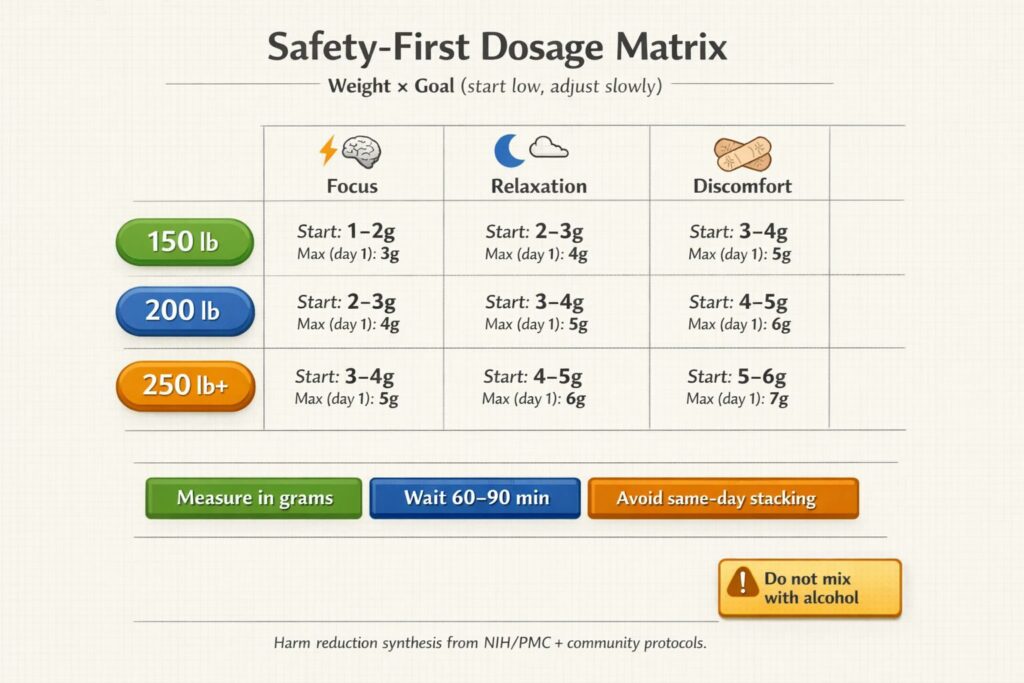
When determining an appropriate serving, clinical harm reduction requires you to account for your body weight and your specific physiological goals. There is no universal “right” amount, but establishing a conservative starting point is essential, especially when figuring out the ideal kratom dosage for beginners.
Kratom is highly dose-dependent, meaning its effects shift drastically as the amount increases. Lower serving sizes generally yield more stimulating, focus-driven effects, while higher servings lean heavily into relaxation and physical soothing.
Structuring Your Intake
- The Baseline Protocol: Always start at the lowest effective threshold (typically 1.5g to 2g for a 150lb adult).
- The 45-Minute Rule: Wait a full 45 minutes before evaluating the effects. The most common error new users make is “stacking” doses—taking a second serving before the first has fully metabolized.
- Goal-Oriented Adjustments: If your goal shifts from daytime focus to evening relaxation, increment your serving by no more than 0.5g at a time.
Understanding Kratom Dosage
While dosage recommendations often receive the most attention, responsible kratom use depends on understanding that serving size is only one part of overall kratom safety. Product potency, alkaloid composition, body weight, metabolism, hydration, food intake, and individual sensitivity all influence how a particular serving may be experienced.
Rather than searching for a universally “correct” dose, experienced consumers often focus on identifying the lowest effective serving that supports their intended purpose. This conservative approach aligns with broader harm reduction principles by minimizing unnecessary increases in alkaloid exposure.
Consumers should also recognize that products from different vendors—or even different batches from the same vendor—may vary in alkaloid composition. Reviewing batch-specific Certificates of Analysis (COAs) and making gradual adjustments when trying a new product helps reduce unexpected variability.
The “Extract Alert”: Navigating Concentrates and 7-OH Products
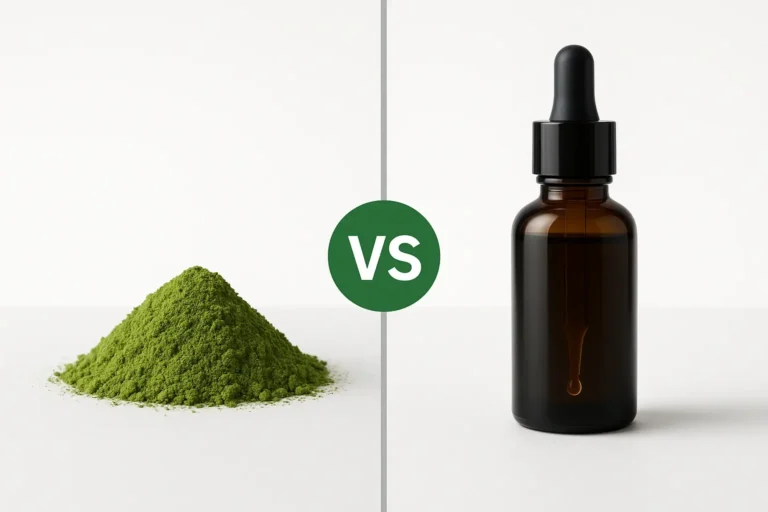
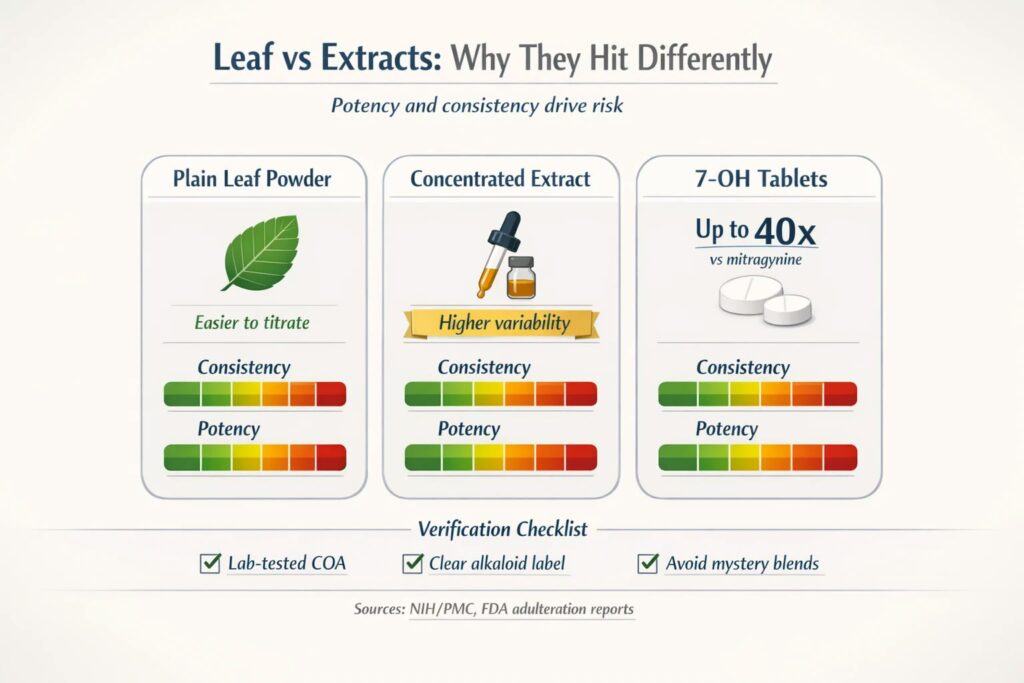
As the market has evolved in 2026, the conversation around kratom powder vs extract has shifted from a matter of preference to a matter of critical safety. Not all kratom is created equal, and understanding the distinct pharmacological differences between natural leaf and heavily processed extracts is vital.
Natural kratom leaf contains dozens of alkaloids, but two dominate the conversation: Mitragynine and 7-Hydroxymitragynine (7-OH). In plain leaf powder, 7-OH is present in trace amounts (usually less than 0.05%). However, a wave of modern extract tablets and liquid shots (often marketed under names like “Opia” or “Kryptic”) artificially inflate these numbers.
Why Extract Potency Requires Respect
Clinical data highlights that 7-OH is up to 40x more potent than standard mitragynine, and remarkably, up to 10x more potent than morphine in terms of receptor binding affinity. Products with spiked 7-OH levels (sometimes 500% higher than natural leaf) bypass the plant’s natural ceiling effect.
If you are evaluating a potent kratom extract powder or shot, you must treat it as a distinctly different compound than raw powder. Sourcing products from transparent providers who provide verifiable third-party labs is the only way to ensure you aren’t inadvertently consuming an alkaloid profile that your body isn’t prepared to process.
Potential Kratom Interactions
An important component of kratom safety is understanding that botanical products may interact with other substances. Individual responses vary considerably, making awareness and moderation essential whenever introducing any new product into an existing wellness routine.
Consumers should exercise caution when combining kratom with alcohol, sedative medications, stimulant products, or other botanicals that may influence the central nervous system. If prescription medications are involved, discussing botanical use with a qualified healthcare professional is advisable before combining products.
Hydration, adequate nutrition, and avoiding unnecessary combinations of multiple psychoactive substances are practical strategies that support responsible use while reducing avoidable risks associated with polysubstance consumption.
Social Safety & Bar Etiquette: Polysubstance Considerations
One of the largest gaps in modern medical advice is the reality of how kratom is consumed socially. With the rise of botanical bars, users are frequently mixing kratom with other substances without understanding the physiological toll.
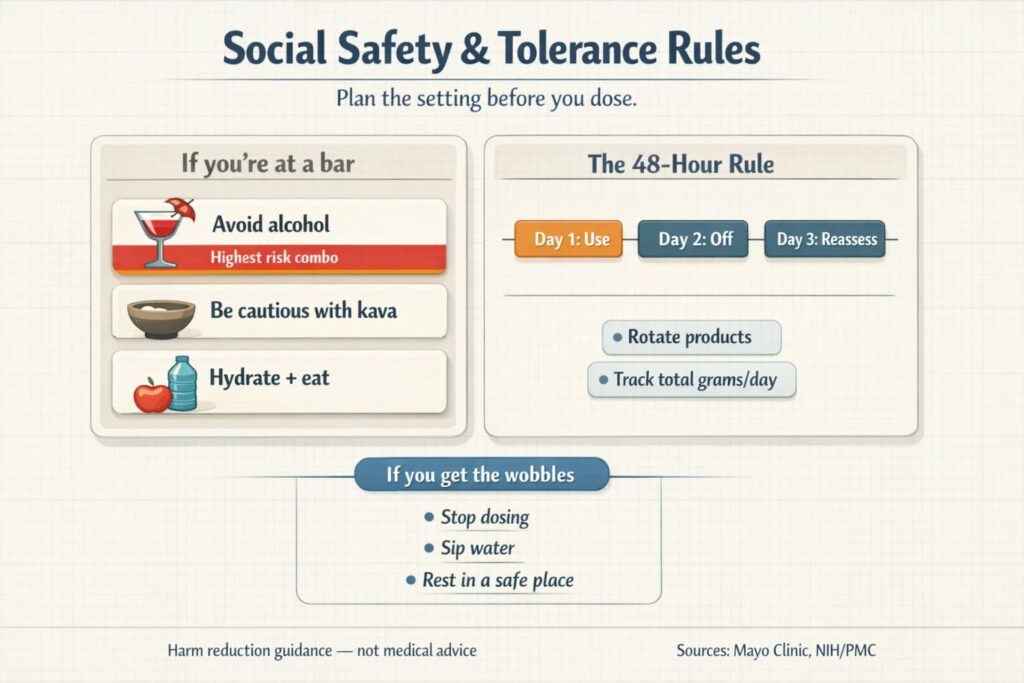
Mixing with Kava: Kratom and kava are frequently served together at botanical lounges. While both are natural, they demand heavy lifting from your liver’s metabolic pathways. If you are consuming this combination, you must prioritize hydration and moderate your intake to avoid hepatotoxicity (liver stress).
Mixing with Alcohol: This is the ultimate red flag in harm reduction. Mixing kratom with alcohol is the number one cause of kratom-related ER visits. Both substances compete for the same metabolic enzymes, dramatically increasing the risk of respiratory depression, severe dehydration, and acute liver toxicity. If you are drinking alcohol, kratom should strictly be left out of the equation.
The “Less is More” Tolerance Protocol & Symptom Management
Long-term, sustainable kratom use requires deliberate tolerance management. Taking the same strain at high serving sizes daily will inevitably lead to diminishing returns and potential dependency.
The 48-Hour Rule
To preserve the efficacy of the plant and give your central nervous system a break, implement the “48-Hour Rule.” Take at least two consecutive days off per week. This prevents alkaloid buildup and keeps your required serving size low.
Cardiovascular Considerations
Why is keeping your serving size low so important? Recent clinical studies published by the NIH show that chronic, high-dose kratom users have an 8.6x higher odds of developing sinus tachycardia (a rapid resting heart rate) compared to non-users. Managing overall kratom potency and frequency is a proactive cardiovascular safety measure.
Recognizing Common Side Effects
Even when products are sourced responsibly, some individuals may experience side effects depending on serving size, product composition, hydration status, or personal sensitivity. Recognizing these responses early allows consumers to make appropriate adjustments before symptoms become more significant.
Commonly reported effects may include nausea, dizziness, constipation, dry mouth, reduced appetite, mild fatigue, or temporary discomfort associated with larger-than-intended servings. These responses are often influenced by serving size, product potency, or individual variability rather than a single universal cause.
Maintaining hydration, consuming balanced meals, measuring servings accurately, and avoiding unnecessary increases in intake may help reduce the likelihood of these common side effects as part of a broader kratom safety strategy.
Managing “The Wobbles”
If you miscalculate a dose, you may experience “the wobbles”—characterized by a loss of focus, nausea, and minor vertigo. If this happens:
- Do not panic. While highly uncomfortable, it is your body’s natural ceiling effect kicking in.
- Hydrate immediately.
- Consume a light, carbohydrate-heavy snack to speed up metabolism and settle the stomach.
- Rest in a dark room. The symptoms generally subside within 90 to 120 minutes.
Frequently Asked Questions
Are kratom capsules safer than raw powder?
Capsules and powder offer the exact same safety profile, assuming they are filled with the same raw material. The primary safety benefit of kratom capsules is precision; pre-measured capsules completely eliminate the risk of the measurement errors associated with scooping powder.
How do I know if an extract product is safe?
The safest extract products come from vendors who provide verifiable, third-party Certificates of Analysis (COAs). You should specifically look for lab results that measure both Mitragynine and 7-OH levels to ensure the product has not been artificially spiked with dangerous synthetic concentrations.
Can I build a tolerance if I only use kratom once a day?
Yes, even once-daily use can lead to tolerance over a period of months. This is why strain rotation (switching between green, white, and red vein profiles) and incorporating the 48-Hour Rule are critical components of a long-term wellness strategy.
Confident, Responsible Botanical Wellness
The key to unlocking the benefits of Mitragyna speciosa lies not in finding the strongest product on the market, but in engaging with the plant responsibly. By utilizing a digital scale, respecting the unique potency of extracts, and adhering to strict polysubstance guidelines, you protect your body while maximizing the plant’s utility.
At Kratom-Online, we strip away the middlemen to bring you directly sourced, thoroughly documented kratom. We believe that an educated consumer is an empowered consumer. Whether you are navigating natural leaf powders or carefully formulated enhancements, your safety, transparency, and product purity remain our highest priorities.