
Kratom Hybrid Protocols: Integrating Powder, Extracts, and Enhanced Kratom
If you’ve been using kratom for a while, you’ve likely reached a plateau with standard leaf powder. You know your ideal dose and have probably rotated strains, but you’re looking for greater efficiency without simply increasing the volume of plant matter you consume. The internet is full of basic comparisons of powder versus extract, but it falls silent when you ask the real question: “How do I strategically combine them for better results?”
Most vendors avoid this topic, advising users to choose one or the other. We believe that’s a disservice to experienced consumers who need technical guidance, not restrictive warnings. This manual fills that gap. It’s a technical guide to hybridization: the practice of integrating high-potency extracts and enhanced powders into your existing plain-leaf regimen for precision, tolerance management, and optimized outcomes.
What Are Kratom Hybrid Protocols?
Kratom hybrid protocols refer to structured approaches that involve more than one kratom product format within an overall routine. Instead of viewing powders, extracts, enhanced powders, capsules, and liquid products as isolated categories, hybrid protocols examine how each format differs in alkaloid concentration, onset, duration, convenience, and intended use.
The concept has become increasingly popular among experienced consumers because modern kratom products vary considerably in potency and formulation. Traditional leaf powder delivers a naturally occurring spectrum of alkaloids, while enhanced powders and extracts contain concentrated alkaloids that may produce different user experiences depending on product composition.
Understanding kratom hybrid protocols does not simply involve combining products. It also requires understanding product labeling, laboratory testing, Certificate of Analysis (COA) documentation, extract concentrations, and the limitations of comparing different preparations using grams alone.
Why Experienced Users Compare Multiple Kratom Formats
As the kratom marketplace has expanded, consumers now encounter a wide variety of product types beyond traditional powder. Whole-leaf powders, enhanced powders, capsules, liquid extracts, tinctures, tablets, and concentrated extracts all offer different advantages and considerations.
Experienced consumers often compare these formats because they prioritize factors such as convenience, consistency, portability, product transparency, and standardized potency. Someone purchasing a premium extract, for example, may be looking for measurable alkaloid content rather than simply a stronger experience. Likewise, another consumer may prefer traditional powder because it provides a familiar botanical profile with less concentrated alkaloid exposure.
These comparisons are most valuable when they focus on objective product characteristics rather than assumptions that one format is universally superior to another. Quality manufacturing, independent laboratory testing, and accurate labeling remain more important than the format itself.
Understanding the physics of potency
Before mixing formats, it’s critical to understand what happens after you take your dose. The primary alkaloid in kratom, mitragynine, acts as a prodrug. Your liver metabolizes it into 7-hydroxymitragynine (7-OH), a compound that is significantly more potent. Research from institutions like Johns Hopkins shows that 7-OH is up to 22 times more potent than mitragynine at the mu-opioid receptor.
This metabolic conversion is the key. Strategic integration isn’t just about adding more alkaloids; it’s about managing this conversion process and influencing the final alkaloid profile that interacts with your body. An extract with a rapid onset can deliver alkaloids differently than a powder that requires more digestion, changing the entire experience.
Mitragynine and 7-Hydroxymitragynine Explained
Understanding these two alkaloids is essential when evaluating kratom hybrid protocols. Although both originate from kratom, they perform different pharmacological roles and may contribute differently to a product’s overall profile.
Mitragynine typically represents the majority of the measurable alkaloid content within natural kratom leaves. It is commonly referenced when manufacturers publish potency information or laboratory reports.
7-Hydroxymitragynine generally occurs at much lower natural concentrations within raw leaf material. However, because of its pharmacological activity, consumers frequently encounter discussions surrounding this alkaloid when comparing enhanced powders, concentrated extracts, and highly processed products.
Consumers should understand that alkaloid concentration alone does not determine overall product quality. The complete botanical profile, manufacturing standards, contamination testing, and batch consistency all contribute to a more reliable product evaluation.
Understanding Plain Leaf, Enhanced Powder, and Extracts
One of the most common misconceptions surrounding kratom hybrid protocols is that every concentrated product functions the same way. In reality, several distinct product categories exist.
Plain leaf powder consists of dried and milled kratom leaves and remains the most traditional product format. Because it undergoes minimal processing, many consumers prefer it for its naturally occurring alkaloid profile.
Enhanced kratom powder typically begins with traditional powder before additional concentrated alkaloids are incorporated during manufacturing. Depending on the manufacturer, these added alkaloids may originate from standardized extracts or proprietary formulations.
Kratom extracts undergo further processing to concentrate specific alkaloids. These products may be sold as powders, liquids, tablets, tinctures, or capsules. Because extraction methods differ considerably, products with similar marketing terminology can have substantially different alkaloid concentrations.
Recognizing these distinctions helps consumers evaluate products based on measurable characteristics rather than assuming every extract or enhanced product performs identically.
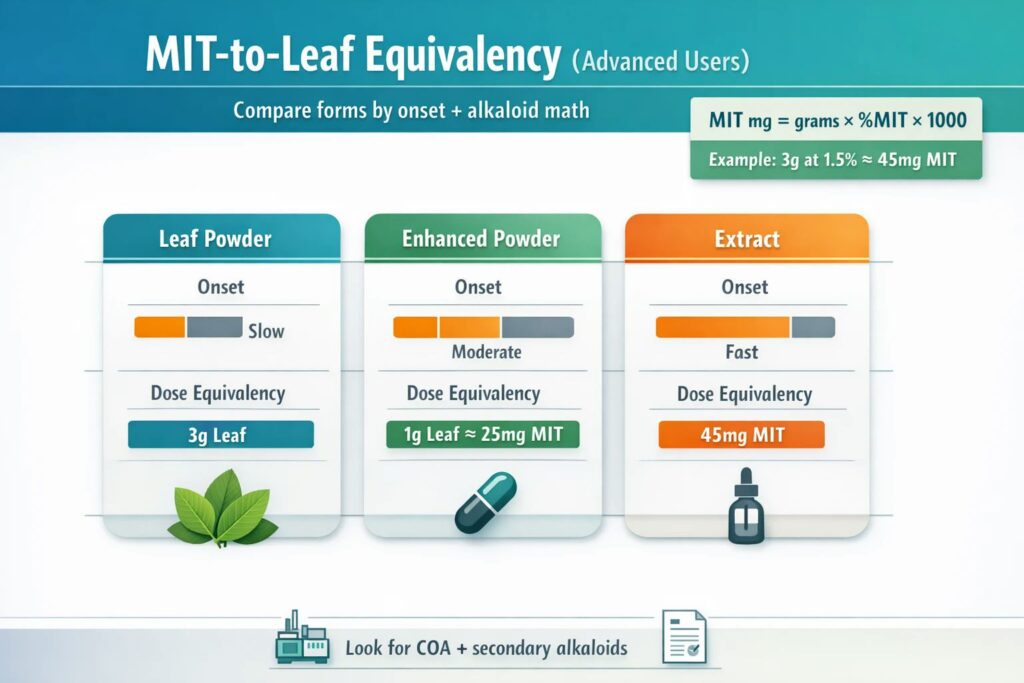
The dosing math: converting grams of leaf to milligrams of MIT
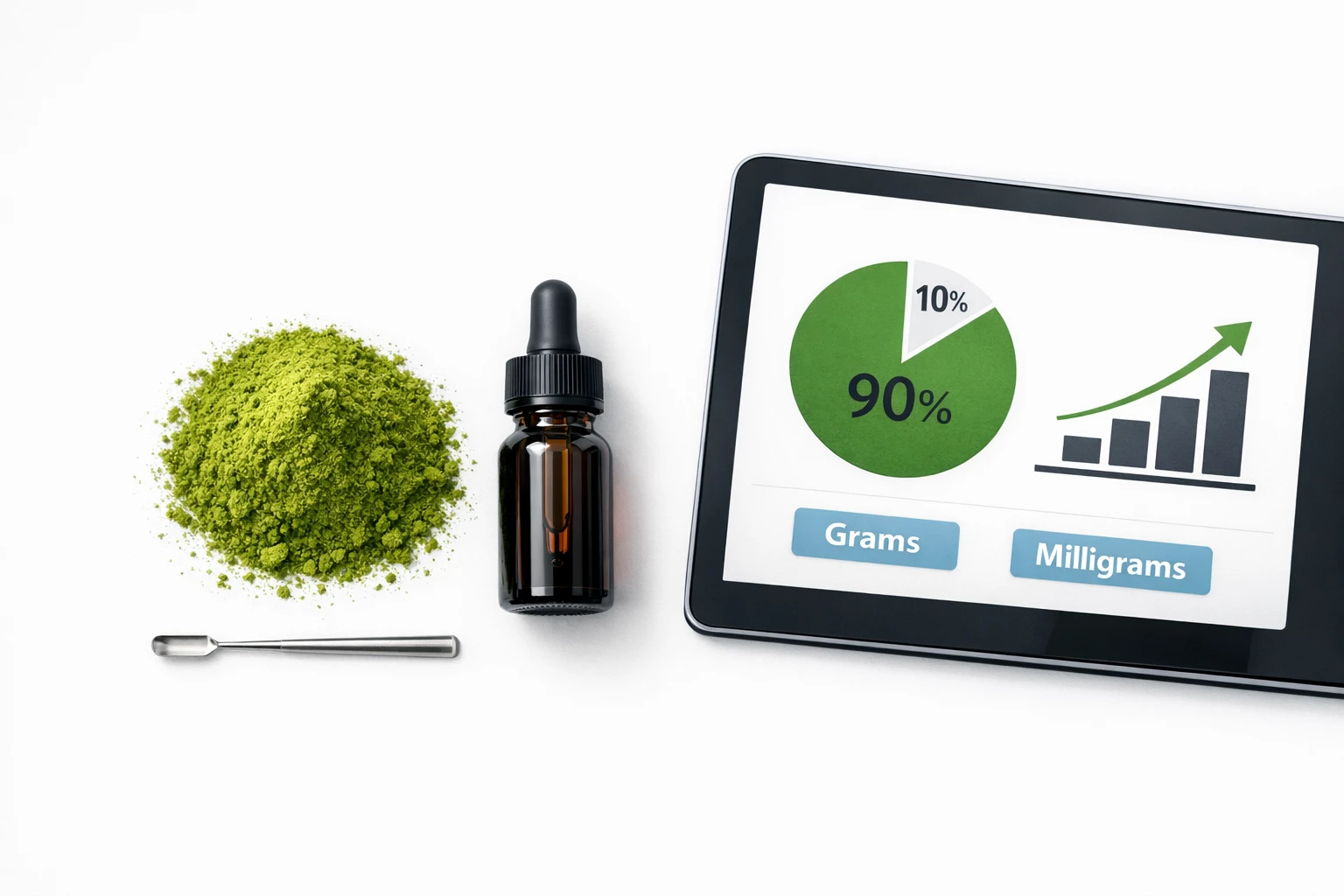
The most common mistake when moving to advanced products is thinking in terms of grams. With extracts and enhanced powders, you must think in milligrams of mitragynine (MIT). This shift is essential for safety and consistency.
A standard, good-quality kratom powder contains about 1.5% mitragynine. A simple calculation helps you find your baseline:
- Your dose in grams x 1,000 x 0.015 = Your dose in milligrams of MIT
- Example: 5 grams of powder x 1,000 x 0.015 = 75mg of MIT
An extract is measured by its percentage of mitragynine. A 45% extract contains 450mg of MIT per gram. To get that same 75mg dose, you would only need about 0.16 grams of the extract. Understanding this conversion is the foundation for any hybrid protocol. It allows you to compare a potent kratom extract powder to standard leaf and know exactly what you’re taking.
How Alkaloid Concentration Influences Hybrid Protocols
Alkaloid concentration is one of the defining characteristics separating traditional powder from enhanced powders and extracts. Higher concentrations allow manufacturers to reduce overall plant material while maintaining measurable alkaloid content. However, concentration alone does not indicate a superior product.
Experienced consumers often evaluate alkaloid concentration alongside laboratory verification, product consistency, extraction method, and manufacturing transparency. These factors together provide a more complete understanding of product quality than potency percentages by themselves.
Within kratom hybrid protocols, understanding concentration is ultimately less about pursuing maximum strength and more about understanding how different product formats compare from a compositional perspective.
Kratom Extract Ratios vs. Alkaloid Percentages
Marketing terms such as 10x, 20x, or 50x extracts are frequently misunderstood. These ratios generally describe aspects of the manufacturing process rather than providing direct information about the final alkaloid concentration available in each serving.
By comparison, standardized mitragynine percentages provide consumers with measurable potency information that can be independently verified through third-party laboratory testing. When evaluating extracts, percentage-based potency combined with a Certificate of Analysis is considerably more informative than promotional extract ratios alone.
For experienced consumers researching kratom hybrid protocols, understanding this distinction helps separate objective product information from marketing terminology.
The hybridization matrix: a framework for strategic mixing
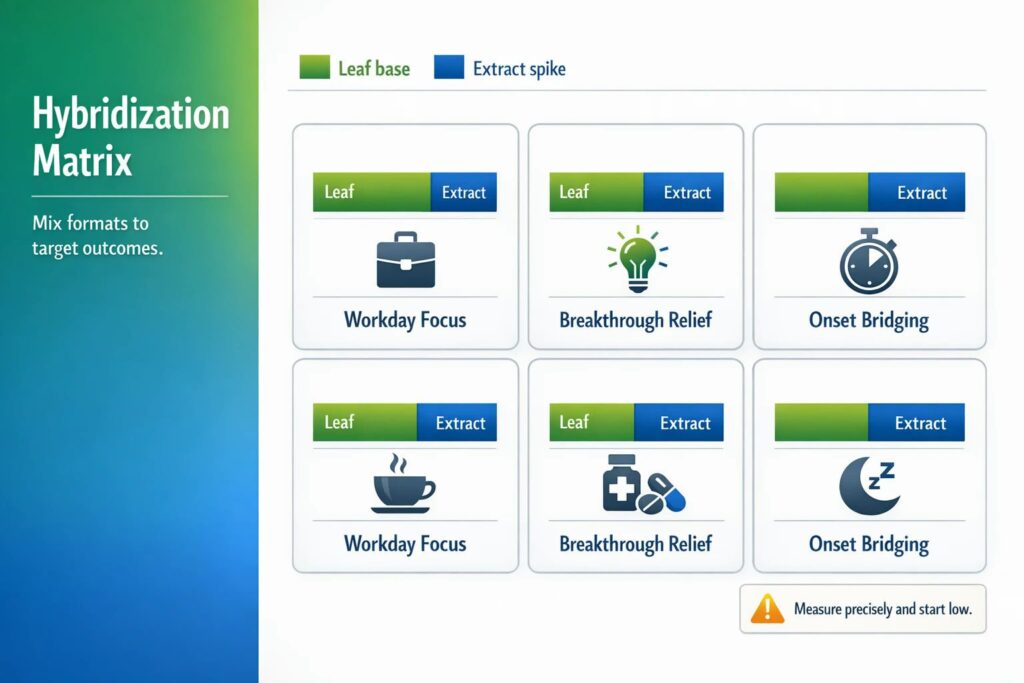
Hybridization is not about taking a full dose of powder and a full dose of extract together. It’s about using plain leaf as your base and “spiking” it with a small, measured amount of extract to achieve a specific outcome. This approach provides the full spectrum of alkaloids from the leaf while using the concentrate for targeted enhancement.
Here are a few common protocols for a user whose standard dose is 5 grams (75mg MIT):
- The Focus Protocol (90/10 Split):
- Base: 4.5g of powder (67.5mg MIT)
- Spike: A small amount of extract containing 7.5mg of MIT.
- Goal: Maintain the balanced, full-spectrum effects of the leaf while adding a slight edge for mental clarity without overstimulation.
- The Breakthrough Protocol (75/25 Split):
- Base: 3.75g of powder (56mg MIT)
- Spike: An extract dose containing 19mg of MIT.
- Goal: For moments when your standard dose isn’t providing enough support. The extract provides a rapid-onset boost while reducing the total plant matter, which can help with digestive comfort. Using an enhanced kratom product is also a great option here.
- The Onset Bridge Protocol:
- Base: Take your full 5g powder dose.
- Spike: Simultaneously take a liquid extract containing just 10-15mg of MIT sublingually.
- Goal: Liquid extracts have a 15-minute onset, while powder can take 45-60 minutes. This protocol uses the fast-acting liquid to “bridge the gap,” providing effects while you wait for the full powder dose to become bioavailable.
When you learn how to take kratom extract properly, you gain access to these more advanced techniques. The key is always to start with a lower dose than you think you need and document the results. Choosing a high-quality, lab-tested product is paramount, as you need to know the exact alkaloid percentages to perform these calculations. That’s why it’s so important to find a potent kratom extract powder with transparent, verifiable lab results.
Choosing the Right Product for a Hybrid Protocol
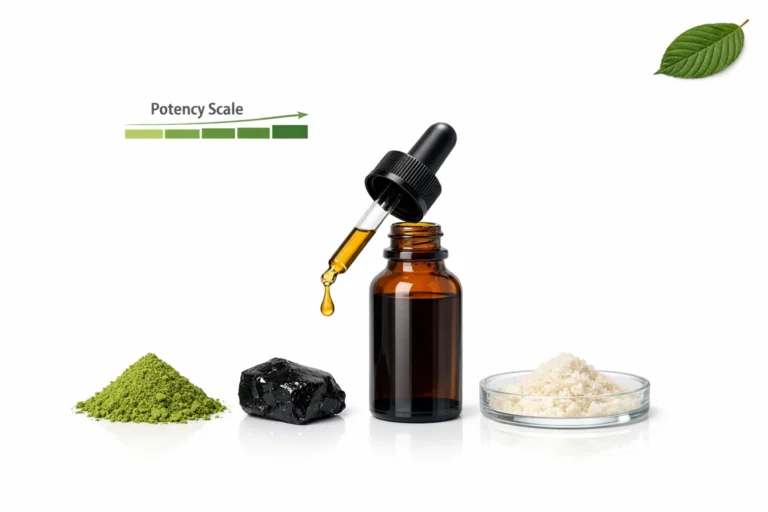
Not every kratom product is designed for the same purpose. Traditional powders remain the closest representation of minimally processed kratom leaves, while enhanced powders and extracts are manufactured to provide greater alkaloid concentration within smaller serving sizes.
Capsules offer convenience and portability while helping users maintain consistent measurements. Liquid extracts often appeal to consumers who prefer compact products with standardized labeling. Powdered extracts may be favored by experienced consumers seeking measurable alkaloid concentrations for product comparisons.
Rather than asking which format is objectively “best,” experienced consumers typically evaluate products according to transparency, consistency, manufacturing standards, and intended use. Understanding these differences is one of the defining characteristics of responsible kratom hybrid protocols.
Product Format Comparison
Although many kratom products originate from the same plant, the finished product can differ substantially depending on manufacturing methods.
Traditional powder offers a minimally processed botanical product with naturally occurring alkaloids. Enhanced powder combines traditional leaf with concentrated alkaloids to increase overall potency while maintaining a familiar powder format.
Liquid extracts provide concentrated formulations that are easy to transport and may appeal to consumers seeking convenience. Capsules simplify storage and measurement, while powdered extracts allow manufacturers to standardize potency using laboratory analysis.
Each product category presents different advantages related to convenience, portability, concentration, and manufacturing consistency. Understanding these characteristics allows consumers to compare products based on measurable qualities rather than marketing language alone.
Kratom Hybrid Protocols and Product Consistency
Consistency is one of the primary reasons experienced consumers explore different product formats. Even when two products are marketed under similar names, differences in harvest conditions, drying techniques, extraction methods, and manufacturing standards may produce noticeably different alkaloid profiles.
Manufacturers that publish independent laboratory reports for every production batch provide consumers with significantly more confidence than companies relying only on generalized potency claims. Consistency from batch to batch ultimately contributes more to long-term product satisfaction than maximum advertised strength.
Understanding Bioavailability
Bioavailability describes how efficiently active compounds become available within the body after consumption. Different kratom preparations may influence the rate at which alkaloids become available, although many additional variables—including digestion, metabolism, hydration, and individual physiology—also contribute to the overall experience.
Consumers often associate faster onset with greater effectiveness, but these concepts are not identical. A product reaching peak concentration more quickly is not automatically higher quality or better suited for every situation. Product selection should remain focused on transparency, laboratory verification, and consistent manufacturing standards rather than onset speed alone.
Kratom Extract Onset and Duration
Different kratom product formats may produce different onset times depending on formulation, extraction method, digestion, stomach contents, and individual metabolism. These variables make it difficult to assign universal timelines to every product.
Traditional powder generally requires digestion before alkaloids become available, whereas certain liquid formulations may be absorbed differently depending on their ingredients and intended use. Capsules introduce another variable because the capsule material must dissolve before absorption begins.
Duration may also vary according to alkaloid concentration, serving size, metabolism, and product composition. Because these variables differ considerably between consumers and manufacturers, generalized timing estimates should always be interpreted cautiously.
Enhanced Kratom Powder vs. Traditional Powder
Enhanced powders occupy a unique position within kratom hybrid protocols because they combine traditional botanical material with concentrated alkaloids. This approach attempts to preserve many characteristics of plain leaf powder while reducing the amount of plant material required to achieve a comparable alkaloid profile.
Consumers comparing enhanced powder with traditional powder should examine measurable alkaloid content, batch consistency, extraction methods, and independent laboratory testing instead of relying solely on product descriptions. High-quality enhanced powders should clearly disclose potency information so that consumers understand how the product differs from standard leaf powder.
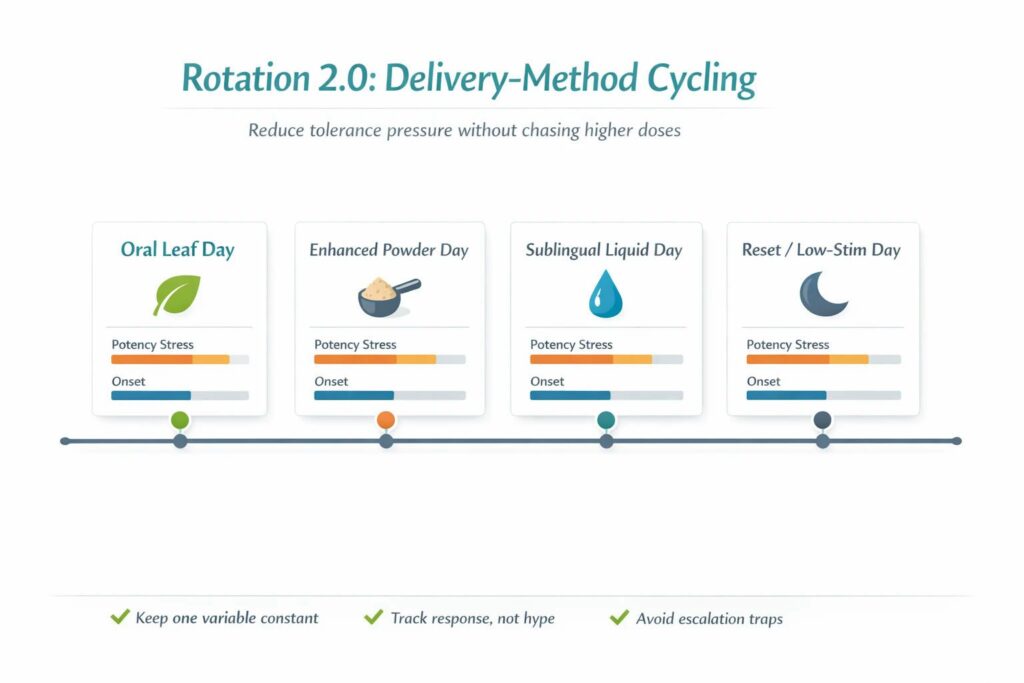
Tolerance shielding 2.0: rotating delivery methods
Many users are familiar with rotating strains or vein colors to manage tolerance. The next level of this practice is rotating delivery methods. Your body can become accustomed to processing kratom in the same way every day. By switching between oral powders, sublingual liquids, and capsules, you can present the alkaloids to your system through different metabolic pathways and at different rates.
This prevents your body from becoming too efficient at processing one specific format, which can help maintain the effectiveness of your regimen over the long term and keep your overall kratom potency needs stable.
A simple weekly rotation might look like this:
- Monday/Tuesday: Standard Powder Protocol
- Wednesday/Thursday: Hybrid Protocol (Leaf + Extract Spike)
- Friday/Saturday: Capsules for steady, prolonged effects
- Sunday: Liquid extract for fast onset or a lower-dose reset day.
When considering liquids, some users buy kratom shots online for their convenience and precise dosing, making them an easy addition to a rotation schedule.
Does Changing Product Formats Affect Product Evaluation?
Switching between powders, capsules, extracts, and enhanced products may expose consumers to different manufacturing techniques and potency profiles. From a product-comparison perspective, this allows experienced users to evaluate which formats best align with their individual preferences regarding convenience, portability, preparation requirements, and measurable alkaloid content.
However, comparing products effectively requires careful attention to laboratory testing and product labeling. Similar packaging or extract terminology should never be interpreted as evidence that two products contain comparable alkaloid concentrations. Independent testing remains the most reliable basis for comparison.
Third-Party Laboratory Testing Matters
One of the defining characteristics of premium kratom products is independent laboratory verification. Third-party testing provides consumers with objective information regarding potency, contaminants, and manufacturing consistency.
Reliable laboratory reports commonly evaluate mitragynine concentration, heavy metals, microbial contamination, and other quality indicators. This information allows consumers to compare products using measurable data rather than relying exclusively on marketing language or customer reviews.
For kratom hybrid protocols, consistent laboratory verification becomes especially valuable because different product formats often contain significantly different alkaloid concentrations. Accurate labeling helps consumers better understand those differences before purchasing a product.
How to Read a Certificate of Analysis (COA)
A Certificate of Analysis (COA) is one of the most valuable resources available when evaluating premium kratom products. Rather than relying on promotional claims, consumers can review laboratory documentation describing the composition of a specific production batch.
An effective COA typically includes the product name, lot number, testing laboratory, testing date, analytical methods, measurable alkaloid concentrations, microbial screening, and heavy metal analysis. Matching the batch number on the product with the batch number shown on the COA helps verify that the laboratory report corresponds to the purchased item.
Manufacturers who openly publish complete COAs demonstrate greater transparency than companies offering only generalized statements such as “lab tested” without supporting documentation.
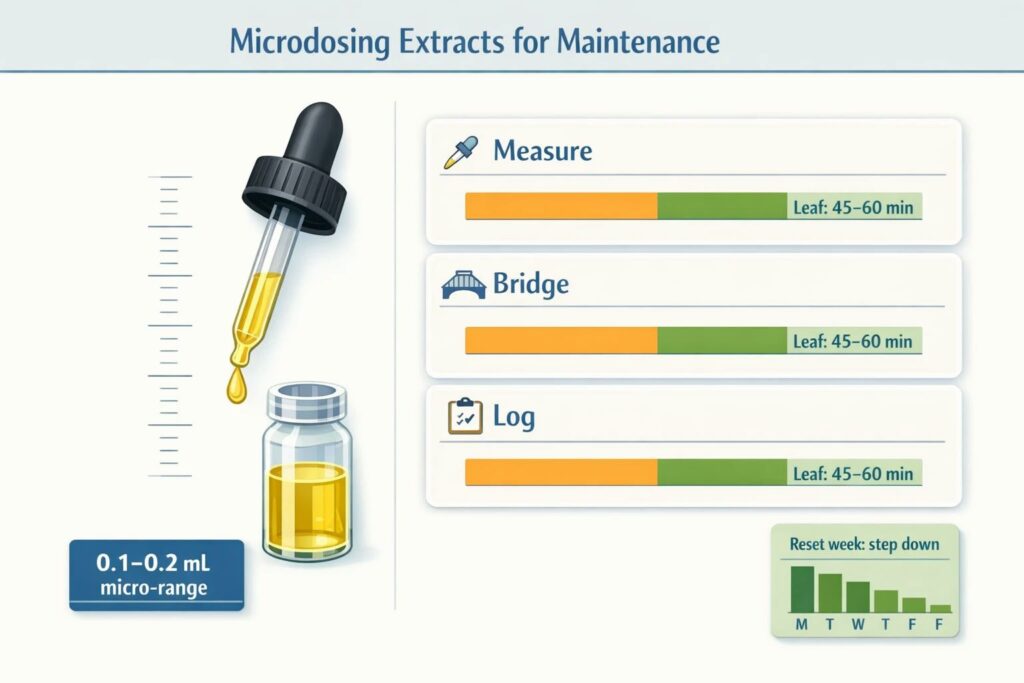
Precision use cases: the extract taper and micro-dosing
For a tolerance break or a “reset week,” liquid extracts offer a level of precision that powder cannot match. Using a calibrated dropper, you can administer micro-doses (e.g., 0.1ml – 0.2ml) to maintain a baseline level of alkaloids while tapering down from plain leaf.
This strategy can help ease the transition during a tolerance break by preventing the abrupt absence of alkaloids your system is used to. It’s an advanced technique that requires careful measurement and logging but gives you complete control over your regimen. This is also useful for users who find that even a small amount of a high-quality kratom 15x extract can provide the maintenance effects they need.
Product Quality Is the Foundation of Every Hybrid Protocol
Regardless of whether a consumer chooses traditional powder, enhanced powder, capsules, liquid extracts, or concentrated extracts, product quality remains the single most important consideration. High-quality manufacturing practices contribute to greater consistency, transparency, and consumer confidence.
Reputable manufacturers typically provide detailed product information, clearly disclose alkaloid concentrations when appropriate, publish batch-specific laboratory reports, and make Certificates of Analysis readily available. These practices allow consumers to compare products using measurable information rather than relying exclusively on advertising language.
Within kratom hybrid protocols, consistency is often more valuable than maximum advertised potency. A product with transparent manufacturing practices and repeatable laboratory results generally provides a more dependable experience than products emphasizing strength alone.
Choosing Lab-Tested Kratom Products
Independent laboratory testing has become one of the strongest indicators of manufacturing transparency within the kratom industry. Because kratom is an agricultural product, natural variation occurs between harvests, making routine testing valuable for verifying finished products.
Consumers evaluating premium products should look for companies that publish current laboratory reports for individual production batches rather than generic statements indicating that products are “lab tested.” Batch-specific reporting provides substantially greater transparency and allows consumers to verify the information associated with the product they purchase.
Laboratory reports commonly include alkaloid analysis, microbial screening, heavy metal testing, and product identification. Reviewing this information supports more informed product comparisons while reinforcing confidence in manufacturing quality.
Common Mistakes When Building Kratom Hybrid Protocols
As interest in advanced kratom products grows, several misconceptions continue to appear among both new and experienced consumers. Recognizing these misunderstandings helps improve product evaluation and encourages better purchasing decisions.
One common mistake is assuming that higher alkaloid concentration automatically indicates a better product. In reality, manufacturing quality, laboratory verification, ingredient transparency, and batch consistency contribute just as much to overall product quality.
Another misconception involves extract ratios such as 10x, 20x, or 50x. These descriptions do not necessarily communicate the measurable alkaloid concentration of the finished product. Consumers should instead prioritize standardized potency information and independent laboratory testing whenever possible.
Some consumers also assume that products sharing similar names or percentages are identical. However, extraction methods, botanical source material, manufacturing practices, and additional alkaloid profiles can differ considerably between brands. Comparing Certificates of Analysis often provides a much clearer understanding of these differences than marketing terminology alone.
Understanding Responsible Product Selection
Choosing products for kratom hybrid protocols involves more than selecting between powders and extracts. Experienced consumers often compare several factors simultaneously, including manufacturing transparency, laboratory verification, ingredient disclosure, product consistency, packaging quality, and company reputation.
Responsible manufacturers typically provide clear serving information, publish current Certificates of Analysis, maintain transparent sourcing practices, and openly communicate quality assurance procedures. These characteristics help distinguish premium products within an increasingly competitive marketplace.
Consumers should also recognize that products with similar branding may differ substantially in alkaloid concentration and manufacturing standards. Reviewing measurable product information before purchase supports more informed decision-making and better long-term product comparisons.
Your next step in optimization
Moving from standard powder to a strategic, integrated regimen is about working smarter, not harder. It requires a shift in mindset from grams to milligrams and a commitment to precision. By understanding the pharmacology, doing the math, and using hybrid protocols, you can break through plateaus and build a more sustainable and effective routine.
The foundation of this entire approach is quality and transparency. None of these techniques are reliable without products that have verified, consistent alkaloid profiles. Explore our selection of third-party tested enhanced powders and extracts to find the precise tools you need to take control of your kratom journey.